
The ongoing US-Israeli conflict involving Iran is now spilling far beyond the battlefield, reshaping global prices in ways many countries are struggling to absorb.
Energy and fertiliser costs have surged sharply, and that shock is now filtering into food prices, transport, and basic living expenses across continents.
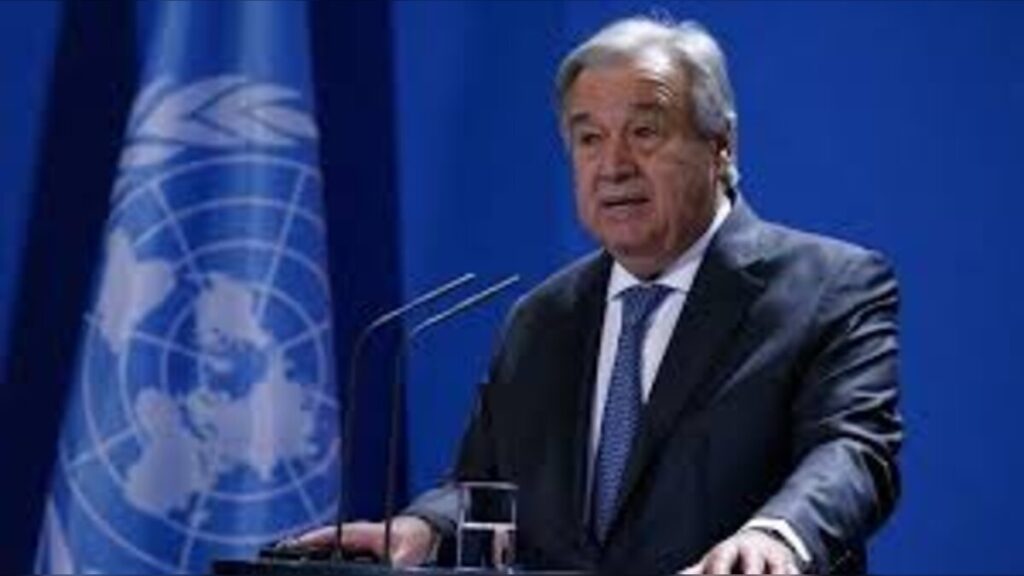
At a development meeting in Paris, UN Development Programme chief Alexander De Croo warned that what is unfolding is not just a regional crisis but a global setback, describing it as a reversal of years of economic and social progress.
Decades of Progress, Undone in Weeks
De Croo’s message was blunt: societies that took decades to stabilise and build up local economies are now seeing those gains eroded in a matter of weeks.
He referenced recent UNDP modelling suggesting that even if the war had stopped early, its ripple effects would still push around 32 million people into economic vulnerability across roughly 160 countries.
The core issue is not only destruction at the source, but the global dependence on disrupted supply chains.
Strait of Hormuz and the Energy Shock
One of the biggest pressure points is the Strait of Hormuz, a critical shipping route through which about a fifth of the world’s oil and liquefied natural gas normally passes.
Any disruption here quickly translates into global price spikes.
Gulf countries are also major suppliers of oil-related products and fertiliser ingredients, meaning the shock has hit both fuel and food production systems at the same time.
The result has been a tight squeeze on supply and rapidly rising costs worldwide.
How Countries Are Reacting to the Pressure
The economic strain is already visible in policy decisions across several regions.
Some African and Asian countries have introduced fuel rationing systems or reduced working days in an effort to cut consumption.



Others have lowered fuel taxes to soften the blow for households already struggling with inflation.
These measures, while necessary in the short term, highlight how deeply the crisis is affecting day-to-day governance and economic planning.
The Hardest Hit Regions
According to UNDP assessments, Sub-Saharan Africa is expected to feel some of the most severe impacts due to its reliance on imported energy and fertiliser.
Countries in parts of Asia, including Bangladesh and Cambodia, are also flagged as highly vulnerable.
Small island developing states face an additional layer of risk because of their dependence on imported fuel and food, leaving them exposed to sudden price spikes with limited domestic buffers.
Poverty Risks and Financial Pressure
Beyond energy markets, the wider concern is poverty.
Higher fuel and fertiliser prices feed directly into food inflation and job insecurity.
The UNDP estimates that without intervention, millions could slide into precarious living conditions.
De Croo also pointed to a secondary effect: reduced remittances.
Many workers from developing countries employed in Gulf states send money home, but economic disruption in those regions could reduce that financial lifeline.
A $6 Billion Cushion That’s Still Missing
To limit the damage, UNDP estimates that around $6 billion in targeted subsidies would be needed to protect the most vulnerable populations from rising food and energy costs.
Discussions involving institutions like the IMF and World Bank are reportedly ongoing, but funding remains a sticking point.
De Croo noted the scale mismatch between prevention and conflict, pointing out that the war itself costs far more each week than the proposed safety net would require.
Impact and Consequences
The broader consequences go beyond inflation:
- Food insecurity is expected to rise as fertiliser shortages reduce agricultural output
- Energy inflation is weakening manufacturing and transport sectors globally
- Governments are under pressure to increase subsidies, stretching already tight budgets
- Political instability risks are rising in import-dependent economies
- Aid-dependent countries face additional strain as global development assistance declines
Compounding the issue, global development aid has fallen sharply, dropping by more than 20% in the past year, largely due to budget cuts from major donors, including the United States.
What’s Next?
The next phase will likely depend on two key factors: whether the conflict escalates further and whether international financial institutions can mobilise rapid support packages.
If energy routes remain unstable, governments may continue emergency measures such as rationing, subsidies, and tax cuts. At the same time, pressure is building on institutions like the IMF and World Bank to accelerate funding decisions.
Without coordinated intervention, economists warn that inflationary pressure could persist well beyond the conflict itself, locking vulnerable economies into long-term recovery challenges.
Summary
The war involving Iran and its wider geopolitical actors is now functioning as a global economic shockwave. What began as a regional conflict has evolved into a driver of inflation, food insecurity, and poverty risk across multiple continents, with developing nations carrying the heaviest burden.
Bulleted Takeaways
- Energy and fertiliser prices have surged due to the conflict
- About 32 million people could fall into economic precarity across 160 countries
- The Strait of Hormuz disruption is central to global oil supply stress
- Sub-Saharan Africa, parts of Asia, and island nations face the highest risk
- Countries are responding with rationing, tax cuts, and reduced working weeks
- A proposed $6 billion support package is under discussion but not yet funded
- Global development aid has dropped significantly, worsening the pressure
- Long-term risks include food insecurity, inflation, and political instability

