
Even though the conflict driving global concern feels far away for many in the UK, its economic fingerprints are already showing up in everyday life.
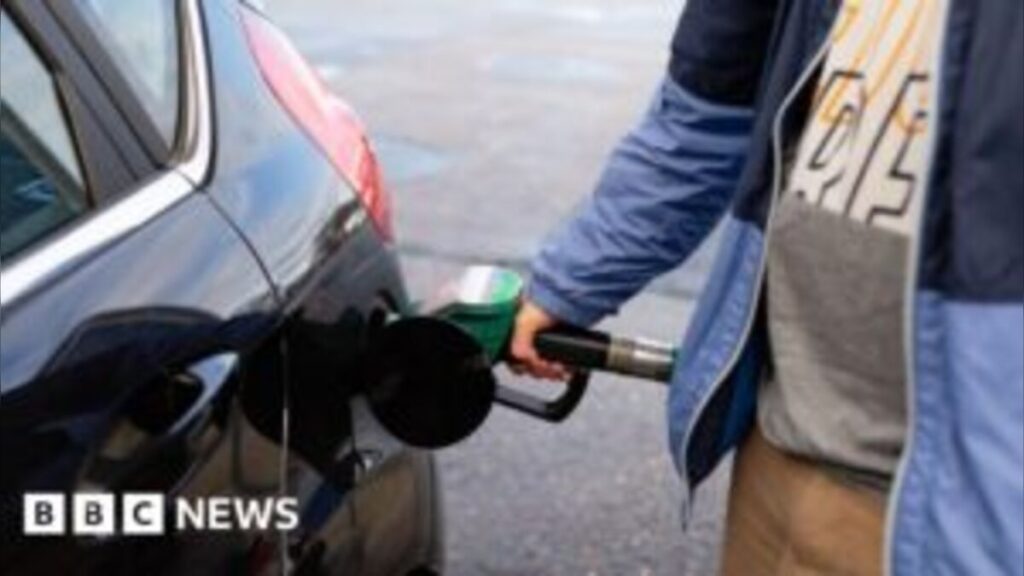
The most noticeable pressure point so far has been at the fuel pump, where petrol and diesel prices have edged higher in response to uncertainty in global energy markets.
According to Lindsay James, an investment strategist at Quilter, the situation is still relatively contained for now, but it is far from stable.
She notes that while the immediate impact has largely centred on fuel costs, the longer the disruption continues, the greater the risk of wider price pressures spreading through the economy.
Fuel Prices Are the First Warning Sign
Transport fuel tends to react quickly to geopolitical shocks, and this situation is no different.
Oil markets respond almost instantly to fears about supply disruption, especially when key production routes or exporting regions come under threat.
In the UK, that has translated into gradual increases at petrol stations.
It may not yet feel like a full-blown crisis, but economists often view fuel as an early indicator of broader inflation trends.
James points out that this is only the beginning stage of impact.
The real concern is what happens if supply chains tighten further or shipping routes become more unstable.
The Bigger Risk: Supply Chain Pressure
Beyond fuel, there is growing concern about what prolonged instability could do to global logistics.
Many goods rely on long, complex supply chains that are sensitive to energy costs and transport disruptions.




If oil prices continue to climb, businesses face higher costs for shipping, manufacturing, and distribution.
Those costs often filter down to consumers in the form of more expensive groceries, household goods, and services.
This is where analysts are becoming more cautious.
It is not just about petrol anymore—it is about everything that moves through an energy-dependent global system.
Why Markets Are Watching Closely
Global energy markets are particularly sensitive right now because supply routes are already under pressure from multiple geopolitical factors.
Even small disruptions can trigger speculative trading, which pushes prices higher before physical shortages even occur.
Historically, similar tensions have led to:
- Sudden spikes in crude oil prices
- Temporary fuel shortages in importing countries
- Inflationary pressure across food and transport sectors
The UK, while not directly involved in production shocks, is exposed because it relies heavily on imported energy and globally priced commodities.
Impact and Consequences
If the current situation continues or escalates, the effects could become more noticeable in daily life.
Possible consequences include:
- Higher fuel costs feeding into transport and delivery prices
- Increased cost of imported goods
- Pressure on household budgets due to broader inflation
- Potential slowdown in consumer spending
For now, the impact remains mostly indirect, but economists warn that markets often adjust gradually before moving sharply.
What’s Next?
Much depends on how quickly stability returns to global supply routes and whether energy production levels remain steady.
If tensions ease, fuel prices could stabilise or even fall back slightly.
But if disruptions continue, markets may price in long-term risk, which tends to keep energy costs elevated for longer periods.
Analysts will be watching:
- Oil production signals from major exporters
- Shipping activity through key maritime routes
- Government responses to inflation pressure
- Consumer price trends in the coming months
The next few weeks are likely to be crucial in determining whether this remains a contained fuel-price issue or develops into a broader inflationary challenge.
Summary
The UK is currently feeling the early effects of global conflict mainly through rising fuel prices.
Investment strategist Lindsay James of Quilter warns that while the situation is still manageable, prolonged disruption could push up transport costs and eventually affect a wide range of everyday goods.
The longer uncertainty lasts, the greater the risk of broader economic pressure.
Bulleted Takeaways
- UK impact so far is mainly higher petrol and diesel prices
- Lindsay James warns risks grow if supply disruption continues
- Fuel markets react quickly to geopolitical instability
- Longer disruption could raise prices for many everyday goods
- Global shipping and supply chains are increasingly sensitive to oil costs
- Inflation pressure could spread beyond transport into food and retail
- Future impact depends on how quickly global supply stability returns

