
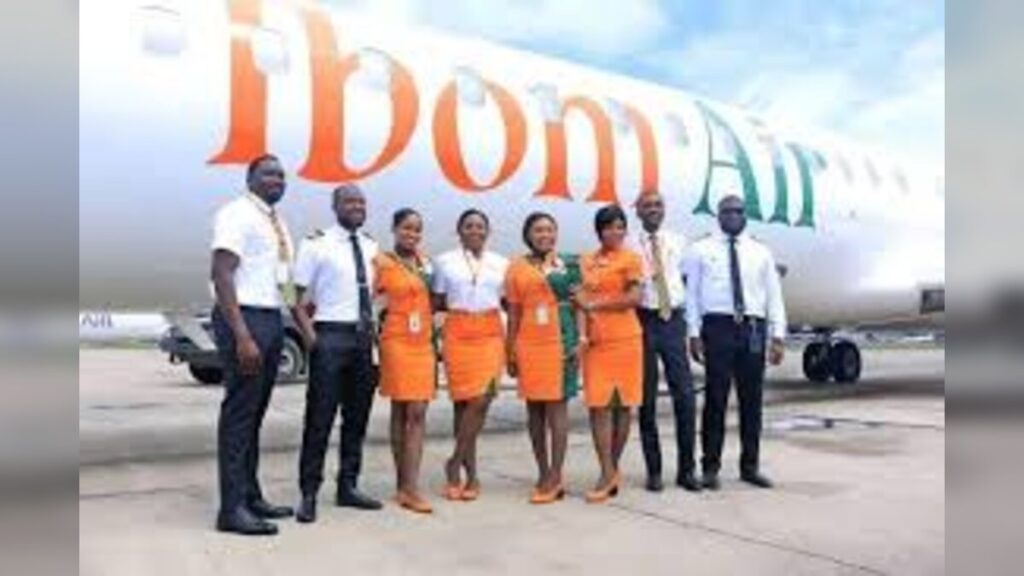
Nigeria’s aviation industry is under fresh strain as Ibom Air has raised concerns about the rapid surge in aviation fuel prices, warning that the situation is pushing domestic airlines toward unsustainable operations.
The airline revealed that it now spends about ₦7.6 million to fuel a single flight, a dramatic jump that has unsettled operators across the sector.
The disclosure adds to growing anxiety within the industry, where airlines are already grappling with currency pressures, maintenance costs, and fluctuating passenger demand.
Fuel Costs Jump From Millions to Crisis Levels
According to Ibom Air, the cost of fueling its aircraft has more than tripled in just a few months.
In January, the average cost per flight stood at around ₦2.1 million.
By late April, that figure had climbed to approximately ₦7.6 million per flight.
The airline described the increase as “unprecedented,” noting that the spike of over 350% in roughly seven weeks has left operators struggling to keep up.
Even airlines using fuel-efficient aircraft are feeling the impact, suggesting that the issue is systemic rather than operational.
Industry Confusion Over Local Fuel Pricing
One of the biggest concerns raised is the apparent disconnect between global aviation fuel trends and what is happening in Nigeria.
While international prices have remained relatively stable or improved in some markets, domestic rates have continued to climb sharply.
Ibom Air also pointed out that most aviation fuel used locally is sourced within the country, including from major refineries such as the Dangote Refinery.
This has led operators to question why prices are still escalating at such a pace despite local supply.
Airlines Struggling to Absorb Rising Expenses
Airlines say they are caught in a difficult position.




On one hand, operating costs are skyrocketing; on the other, competitive pressure is preventing them from increasing ticket prices significantly.
Ibom Air explained that many carriers have tried to keep fares stable out of market competition and a sense of national responsibility, but this has resulted in heavy financial strain.
Essentially, airlines are absorbing losses just to maintain regular flight schedules.
A Warning That Cuts Across the Aviation Sector
The airline warned that the situation is no longer temporary or manageable.
What initially appeared to be a short-term spike has now lasted nearly two months, with no signs of easing.
In response, some airlines globally have reduced flight frequency to cut fuel consumption costs.
Ibom Air hinted that similar measures may become unavoidable in Nigeria, including potential capacity reductions if conditions do not improve.
Impact and Consequences
If the current trend continues, domestic airlines could be forced to scale back operations, reduce routes, or increase ticket prices sharply.
That would likely affect passenger travel demand and could make air travel less accessible for many Nigerians.
There is also the risk of reduced airline profitability, which could discourage investment in the sector.
In a worst-case scenario, sustained losses may threaten the survival of smaller carriers.
For passengers, this could translate into fewer available flights, higher fares, and less flexible travel options across the country.
What’s Next?
Attention now shifts to fuel marketers, regulators, and policymakers.
Airlines are calling for urgent review of aviation fuel pricing structures, especially given that a significant portion of supply is locally sourced.
If no intervention comes, airlines may be forced into operational adjustments such as reduced flight schedules or route consolidation.
Industry stakeholders are also expected to push for broader reforms to stabilize pricing and improve transparency in the supply chain.
Summary
Ibom Air has warned that aviation fuel costs in Nigeria have surged to crisis levels, rising from ₦2.1 million per flight in January to about ₦7.6 million in April.
The airline says the increase, which exceeds 350%, is placing severe pressure on domestic carriers and may force operational cuts if it continues.
Airlines are now urging fuel suppliers and regulators to address the pricing instability before it further destabilizes the sector.
Bulleted Takeaways
- Ibom Air says fuel cost per flight now about ₦7.6 million
- January average was around ₦2.1 million per flight
- Increase represents over 350% jump in a few months
- Airlines say aviation fuel prices are rising despite local supply
- Competitive pressure prevents airlines from raising ticket prices
- Carriers are absorbing heavy operational losses
- Industry warns of possible flight reductions or capacity cuts
- Situation could make air travel more expensive and less available in Nigeria
- FLA spokesman Mohamed Elmaouloud Ramadane announces withdrawal agreement after renewed fighting in Kidal Mali
- Family Dispute Sparks Violent Reprisal Attacks That Rock Community in Rural Area of Plateau State
- Israel asserts expands security control with US coordination across Lebanon border region to neutralise emerging militant threats
- Troops Rescue Kidnapped Woman and Recover Eight Million Naira Ransom in Dramatic Forest Raid in Qua’an Pan Plateau State
- Reza Pahlavi tours Europe and faces shocking Berlin attack as German security fails during Iran opposition press event
- Iran pushes diplomatic proposal through Pakistani mediators as Tehran challenges US strategy over Strait of Hormuz negotiations in Middle East region
- Naftali Bennett and Yair Lapid rebuild political alliance shapes Israeli coalition race in Tel Aviv election strategy Israel
- SASSA confirms payment schedule as agency delivers Workers’ Day grants to millions of beneficiaries across South Africa amid Easter delay backlash concerns
- Energy economists urge Nigerian government to deploy targeted cash transfers as global oil tensions between US and Iran drive inflation pressure in Lagos Nigeria
- Gardaí investigate fatal car park crash kills elderly woman in Knocklyon Dublin residential area Ireland
- Middle East tensions push global oil prices higher as Brent crude surges in international markets
- King Charles III leads Queen Camilla into high-stakes US state visit in Washington as security fears follow White House attack attempt

