
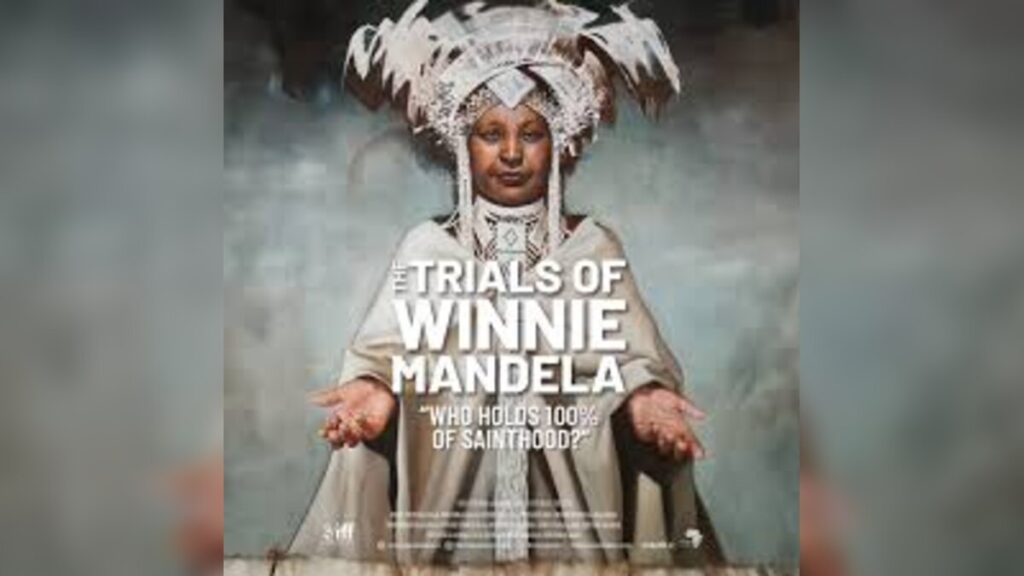
Since Netflix released its seven-part documentary The Trials of Winnie Mandela on 23 April 2026, conversations around it have spread quickly across social media.
While the series set out to revisit and reassess the life of the anti-apartheid figure Winnie Madikizela-Mandela, one detail has unexpectedly taken centre stage for many viewers: the absence of her youngest daughter, Zindzi Mandela, from the on-screen narrative.
For a story so closely tied to family memory and legacy, that omission has sparked questions, debate, and a fair amount of curiosity online.
A Documentary Built on Family Perspective
The series is presented largely through the eyes of Winnie Mandela’s granddaughters, Zaziwe Manaway and Swati Dlamini, who also served as key drivers behind the project.
It explores Winnie’s political life, public image, and personal complexities through interviews, archival footage, and family recollections.
Directed by the late Emmy-winning filmmaker Mandy Jacobson, the documentary aims to balance public record with intimate family storytelling.
Netflix describes it as a journey by the grandchildren to understand their grandmother—known affectionately within the family as “Big Mommy”—beyond the headlines and controversies.
Still, even with that personal framing, some viewers expected a broader representation of the Mandela family’s direct voices.
Where Is Zindzi Mandela in the Story?
Zindzi Mandela, Winnie’s youngest daughter, is notably absent from present-day interviews in the series.
Her presence appears only indirectly, if at all, through archival materials.
This absence has not gone unnoticed.


Social media users, particularly on X, questioned why she and her children were not included, especially given her close proximity to many of the events discussed in the documentary.
Some viewers also pointed out that even Zenani Mandela, Zindzi’s elder sister, appears mainly through older footage rather than fresh commentary, which further fueled discussion about how the family narrative was shaped and who was given a voice.
However, there is no confirmed indication of public conflict being the reason for Zindzi’s absence.
Much of the conversation remains speculation from audiences trying to make sense of editorial decisions.
A Family Legacy Under Constant Public Scrutiny
The Mandela family has long been under intense public attention, and documentaries about Winnie Mandela often reopen longstanding debates about her role in South Africa’s liberation struggle.
Zindzi Mandela herself was a prominent figure in her own right—an activist, poet, and diplomat—who represented South Africa in Denmark before her death in 2020.
Her voice and public stance often carried political weight, which is why some viewers felt her absence from a documentary about her mother was particularly noticeable.
The series itself, however, focuses heavily on the perspectives of the grandchildren, which may explain why certain branches of the family tree are less present in the storytelling.
Impact and Consequences
The reaction to Zindzi Mandela’s absence highlights how audiences now expect documentaries—especially those involving iconic public figures—to include a wide range of family voices.
It has also:
- Sparked renewed discussion about Winnie Mandela’s legacy and how it is being framed for modern audiences
- Raised questions about editorial choices in family-led documentaries
- Reignited interest in internal family dynamics within the Mandela lineage
- Generated social media debate over who gets to “tell” historical family stories
In a broader sense, it shows how legacy documentaries are no longer just historical retellings—they are also judged on representation and inclusion.
What’s Next?
As discussions continue online, it is likely the documentary will keep attracting both viewers and criticism, especially from those closely following South African political history.
There may also be further commentary from members of the Mandela family or the filmmakers addressing why certain figures, including Zindzi Mandela, were not included in present-day interviews.
For Netflix, the conversation adds to the visibility of the series, even as it raises questions about narrative completeness and perspective.
Summary
The Trials of Winnie Mandela has opened up a fresh wave of conversation about one of South Africa’s most complex historical figures.
While the documentary aims to humanise Winnie Mandela through her grandchildren’s lens, the noticeable absence of Zindzi Mandela has shifted part of the focus away from the story itself and toward what—and who—was left out.
Bulleted Takeaways
- Netflix released The Trials of Winnie Mandela on 23 April 2026
- The series is told mainly through Winnie Mandela’s grandchildren
- Zindzi Mandela does not appear in present-day interviews
- Her absence sparked online debate and speculation
- Viewers also noted limited appearances from other family members
- Zindzi Mandela was a diplomat and activist who died in 2020
- The documentary has reignited discussion about Winnie Mandela’s legacy
- Questions remain about editorial choices and family representation

