
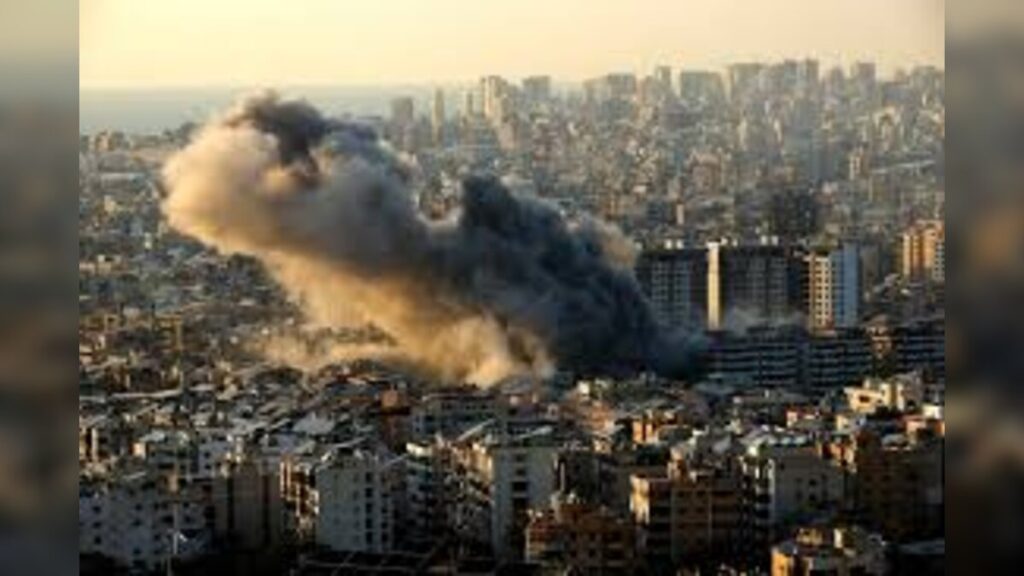
The statement reflects a firm position on security operations, emphasizing coordination with the United States and Lebanon under previously agreed frameworks.
At its core, the message underscores a broad operational freedom to respond not only after attacks happen, but also before they escalate.
The official highlighted that this approach includes the ability to act against immediate dangers as well as prevent emerging threats from developing into full-scale incidents.
In other words, it is not just reactive—it is also preventive.
Coordinated Agreements With Key Partners
According to the statement, these actions are not being taken in isolation.
They are grounded in understandings reached with both the United States and Lebanon.
Such arrangements typically relate to regional security management, intelligence sharing, and rules of engagement designed to reduce escalation risks.
In volatile border regions, especially where tensions involving armed groups exist, these kinds of agreements are often used to maintain a balance between deterrence and diplomacy.
Preventing Threats Before They Erupt
A key point in the message is the emphasis on “freedom of action.”




This phrase signals operational flexibility—meaning authorities are not limited to responding after an incident occurs.
Instead, the policy described includes:
- Intercepting imminent threats
- Disrupting hostile activity before execution
- Responding quickly to attacks when they occur
This type of security doctrine is commonly associated with counterterrorism and border defense strategies in high-risk regions.
Wider Context and Background
In the broader regional landscape, tensions along certain borders—particularly involving Lebanon and armed groups such as Hezbollah—have frequently shaped security policy decisions.
Israel, in particular, has long maintained that it reserves the right to act preemptively when it perceives direct threats to its territory or civilians.
Such policies are often debated internationally, with supporters arguing they prevent escalation, while critics raise concerns about sovereignty and proportional response.
Impact and Consequences
This kind of posture can have several immediate and long-term effects:
- Increased deterrence: Potential attackers may reconsider planned actions due to the risk of early interception
- Rising tensions: Preemptive operations can sometimes heighten diplomatic friction
- Operational uncertainty: Adversaries may become less predictable in their movements
- Strained negotiations: Regional agreements may be tested during periods of escalation
At the same time, proponents argue that acting early can prevent larger conflicts and reduce civilian harm over time.
What’s Next?
Going forward, the effectiveness of this approach will likely depend on coordination between involved parties and how well “rules of engagement” are maintained in practice.
Any shifts in regional stability, especially along sensitive borders, could also influence how frequently such preventive actions are carried out.
Diplomatic efforts may continue in parallel to reduce the risk of wider escalation.
Summary
The statement outlines a security approach built on proactive defense, international coordination, and rapid response capability.
It reflects an ongoing strategy where preventing threats is treated as just as important as responding to them after the fact.
Key Takeaways
- The policy emphasizes both preventing and responding to threats
- It is based on agreements with the United States and Lebanon
- Authorities claim freedom of action for rapid intervention
- The approach is rooted in regional security and counterterrorism strategy
- It may reduce attacks but also risks increasing regional tension
- Future stability depends heavily on diplomatic coordination and enforcement balance

