
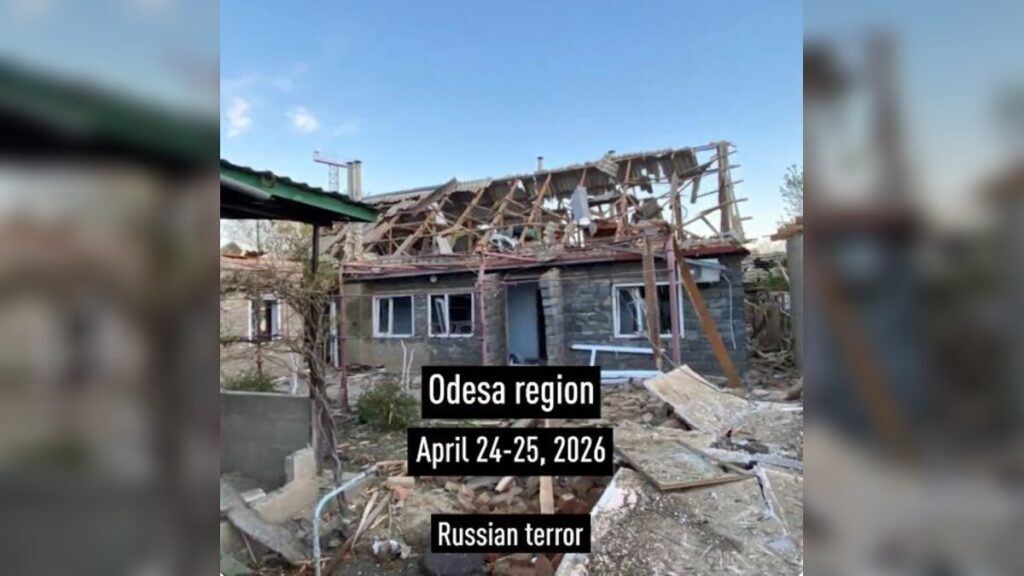
Ukrainian President Volodymyr Zelenskyy says Russia launched a massive wave of attacks against Ukraine over the past week, using drones, guided aerial bombs, and missiles across the country.
According to Zelenskyy, Russian forces fired about 1,900 attack drones, nearly 1,400 guided aerial bombs, and around 60 missiles of different types in just seven days.
He said the scale of the attacks shows why Ukraine urgently needs continued support from its international partners.
Ukraine Links Attacks to Need for Faster Military Support
Zelenskyy said the latest Russian strikes make recent partner decisions especially important.
He pointed to new contributions to the PURL initiative, the approval of the European Union’s 20th sanctions package, and the €90 billion European support package agreed in Cyprus.
For Kyiv, those measures are not symbolic. Zelenskyy presented them as practical steps that can help Ukraine defend its cities, strengthen its military position, and withstand continued Russian pressure.
Air Defenses Are Stopping Most Drones, Zelenskyy Says
Despite the heavy pace of Russian attacks, Zelenskyy said Ukraine’s air defense network is already showing strong results against drones.
He said Ukrainian forces are intercepting more than 90% of incoming drones.
That figure, if maintained, reflects a major part of Ukraine’s current defense strategy: stopping attacks before they reach cities, energy sites, and other critical infrastructure.
Ballistic Missile Threat Remains a Major Concern
While Ukraine has had strong success against drones, Zelenskyy made clear that the country still needs better protection from ballistic threats.
Ballistic missiles are harder to intercept than many drones because of their speed and flight path. That is why Kyiv continues asking partners for more air defense systems and, especially, more interceptor missiles.
Every Air Defense Missile Means Saved Lives
Zelenskyy stressed that additional air defense deliveries are directly tied to civilian survival. He said every extra missile provided to Ukraine improves the protection of cities and critical infrastructure.




That message is aimed at Ukraine’s allies, especially European governments weighing how quickly to move from political pledges to actual delivery.
For Ukraine, delays can mean more damage to power systems, homes, factories, and public facilities.
Sanctions and Financial Aid Remain Part of the Defense Strategy
The Ukrainian president also connected battlefield defense with economic pressure on Russia. He welcomed the EU’s 20th sanctions package, arguing that sanctions remain necessary to reduce Russia’s ability to continue the war.
The €90 billion European support package agreed in Cyprus is also being framed as a major stabilizing measure.
It gives Ukraine more financial certainty as the war continues and helps Kyiv plan for military, social, and infrastructure needs.
Impact and Consequences
The immediate impact of Russia’s latest attack wave is continued pressure on Ukrainian civilians, air defense crews, and critical infrastructure.
Even with a high drone interception rate, the sheer number of weapons launched means some attacks can still get through and cause damage.
The wider consequence is that Ukraine’s need for sustained military aid remains urgent.
If Russia continues firing drones, bombs, and missiles at this pace, Ukraine will need a steady flow of air defense missiles, spare parts, radar systems, and financial backing to keep its protection network effective.
The attacks also strengthen Kyiv’s argument that sanctions and defense support must move together. Ukraine wants Russia’s war machine weakened while its own defensive shield becomes stronger.
What’s next?
Ukraine is expected to keep pressing partners to quickly deliver air defense missiles and other support promised through the PURL initiative.
Kyiv will also push for the EU’s sanctions package and €90 billion support plan to be implemented without delay.
The next major test will be whether Ukraine can keep its drone interception rate above 90% while also improving its ability to stop ballistic missiles.
That will depend heavily on new weapons deliveries and continued coordination with allies.
Summary
Zelenskyy says Russia launched around 1,900 drones, nearly 1,400 guided aerial bombs, and about 60 missiles against Ukraine in the past week.
He argued that the scale of the attacks proves why new partner contributions, EU sanctions, and the €90 billion European support package are so important.
Ukraine’s air defense is reportedly intercepting more than 90% of drones, but Kyiv says it still needs more help against ballistic missile threats and more air defense missiles to protect cities and critical infrastructure.
Bulleted Takeaways:
- Russia launched about 1,900 attack drones against Ukraine in one week.
- Zelenskyy said Russia also used nearly 1,400 guided aerial bombs.
- Around 60 missiles of various types were fired during the same period.
- Ukraine says its air defense is intercepting more than 90% of drones.
- Zelenskyy said Ukraine must improve protection against ballistic threats.
- Kyiv is seeking more air defense missiles from international partners.
- Zelenskyy welcomed new partner contributions to the PURL initiative.
- He also praised approval of the EU’s 20th sanctions package.
- The €90 billion European support package agreed in Cyprus was highlighted as crucial.
- Ukraine says more air defense support means saved lives and stronger protection for cities and infrastructure.
