
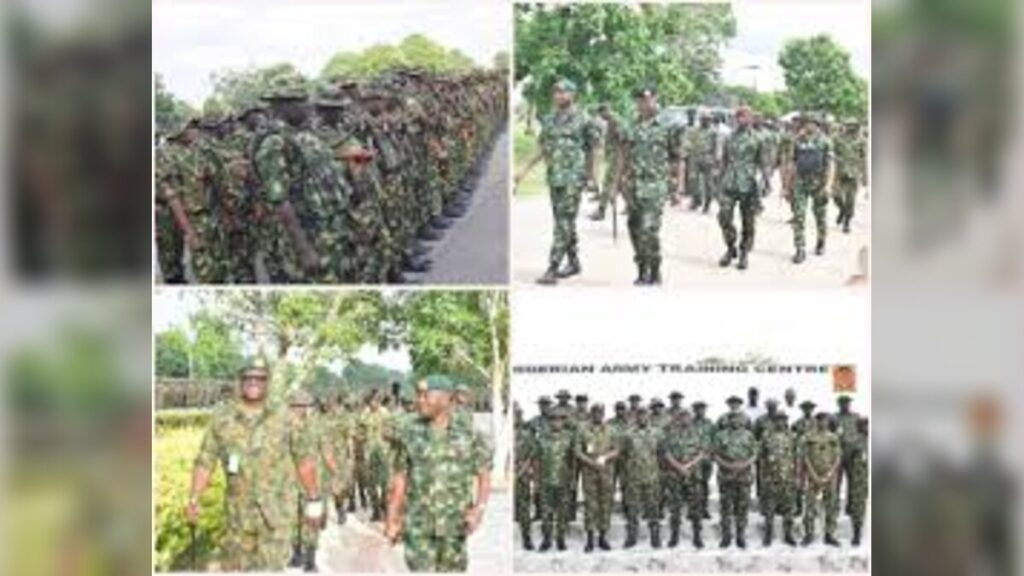
The Nigerian Army is stepping up efforts to modernise its operations with a stronger focus on drone technology, surveillance systems, and intelligence-driven warfare.
Speaking during the closing ceremony of the 2026 Combat Arms Training Week in Kaduna State, Lieutenant General Waidi Shaibu said the military is intentionally investing in advanced technology to improve operational success and battlefield awareness.
The event took place at Jaji Military Cantonment and gathered both serving and retired senior officers for strategic discussions, tactical demonstrations, and military simulations aimed at improving Nigeria’s fight against terrorism and insurgency.
Why the Army Is Prioritising Drones
Modern warfare has changed dramatically over the past decade, and military leaders across the world now rely heavily on unmanned aerial systems for intelligence gathering, reconnaissance, and precision operations.
According to Shaibu, the Nigerian Army understands that success in today’s security environment depends not only on manpower but also on technological superiority.
He explained that drones are becoming increasingly important for tracking movements in difficult terrains, identifying threats before attacks occur, and supporting troops during operations.
Nigeria has faced persistent security challenges ranging from insurgency in the North-East to banditry and kidnappings in other regions, making aerial surveillance a major tactical advantage.
The Army Chief noted that beyond drones, the military is also expanding combat aviation capabilities and deploying more surveillance systems to support troops on the ground.
Training Soldiers for a Different Kind of Battlefield
While sophisticated equipment is essential, Shaibu stressed that technology alone cannot win battles.
He said the effectiveness of any military system still depends on the soldiers operating it.
According to him, the Army’s focus is now on building a force that is highly trained, adaptable, and capable of responding quickly to evolving threats.
He emphasised the need for resilient troops who can combine combat skills with modern technological knowledge.
This reflects a broader shift in military thinking worldwide, where armies are increasingly training personnel in cyber awareness, drone coordination, digital intelligence, and precision warfare instead of relying solely on traditional combat methods.
Combat Arms Training Week Showcased Real Battlefield Simulations
The 2026 Combat Arms Training Week was designed to expose officers to realistic combat conditions and evolving warfare strategies.
Participants observed live-fire drills involving infantry units, armoured vehicles, and combat support systems.
Military simulations also recreated real operational environments to help commanders test decision-making under pressure.




The programme included lectures on counterterrorism operations, intelligence gathering, and emerging security threats facing Nigeria and the wider West African region.
The exercises are part of ongoing efforts by the Nigerian Army to improve preparedness and operational coordination across different combat units.
Senior Officers Back Army Reforms
During the ceremony, Major General Godwin Mutkut praised the leadership of the Army Chief and described recent reforms as beneficial to troop welfare and operational effectiveness.
Military analysts have often argued that improving soldiers’ welfare, equipment, and training standards is critical to maintaining morale during prolonged security operations.
Better welfare systems can also reduce fatigue and improve combat readiness among personnel deployed to conflict zones.
The event ended with a symbolic pulling-out parade for retired infantry generals, a long-standing military tradition used to honour senior officers completing active service.
Nigeria’s Security Challenges Continue to Shape Military Strategy
Nigeria continues to battle multiple security threats simultaneously.
The country has faced years of insurgency linked to extremist groups in the North-East, while armed banditry, farmer-herder clashes, and kidnapping networks remain serious concerns in several states.
Because many criminal groups now use advanced communication systems and operate across remote terrains, the military increasingly sees technology as essential for tracking and disrupting attacks before they occur.
Drone warfare has already become a major part of military operations globally.
Countries such as the United States, Turkey, China, and Israel have heavily expanded drone capabilities over the years, influencing how modern armies approach intelligence and combat missions.
Impact and Consequences
The Army’s increased investment in drones and surveillance technology could significantly improve Nigeria’s counterterrorism and anti-banditry operations if implemented effectively.
Better aerial intelligence may help security forces respond faster to attacks, reduce troop casualties, and improve operational accuracy.
However, technology-driven warfare also comes with challenges.
Maintaining advanced systems requires consistent funding, technical expertise, and reliable infrastructure.
There are also concerns around cybersecurity, data protection, and the long-term sustainability of military modernisation projects.
If the Army successfully integrates these systems with effective intelligence-sharing and troop training, it could strengthen Nigeria’s overall security response.
What’s Next?
The Nigerian Army is expected to continue expanding its use of unmanned systems and intelligence-led operations in the coming years.
More specialised training programmes, tactical simulations, and procurement of modern combat equipment are likely to follow.
Security experts also expect greater collaboration between the Army, Air Force, and intelligence agencies as Nigeria attempts to improve coordination against increasingly sophisticated criminal and insurgent networks.
Future military exercises may place even stronger emphasis on drone operations, precision targeting, and digital battlefield management.
Summary
The Nigerian Army says it is embracing modern warfare by investing heavily in drone technology, surveillance systems, and intelligence-based operations.
Speaking at the 2026 Combat Arms Training Week in Kaduna, Lieutenant General Waidi Shaibu said modern security challenges require a combination of advanced technology and highly trained personnel.
The event highlighted the Army’s push toward professional development, operational readiness, and stronger counterterrorism capabilities as Nigeria continues to confront insecurity across several regions.
Bulleted Takeaways
- The Nigerian Army is expanding its investment in drone technology and surveillance systems.
- Lieutenant General Waidi Shaibu said technology-driven warfare is now essential for military success.
- The 2026 Combat Arms Training Week featured live-fire drills and battlefield simulations.
- Military leaders stressed the importance of well-trained and adaptable soldiers alongside modern equipment.
- Major General Godwin Mutkut praised ongoing reforms aimed at improving operational efficiency.
- Nigeria’s ongoing insecurity challenges are pushing the military toward intelligence-led operations.
- The Army says modernisation remains central to its long-term strategy against terrorism and banditry.

