
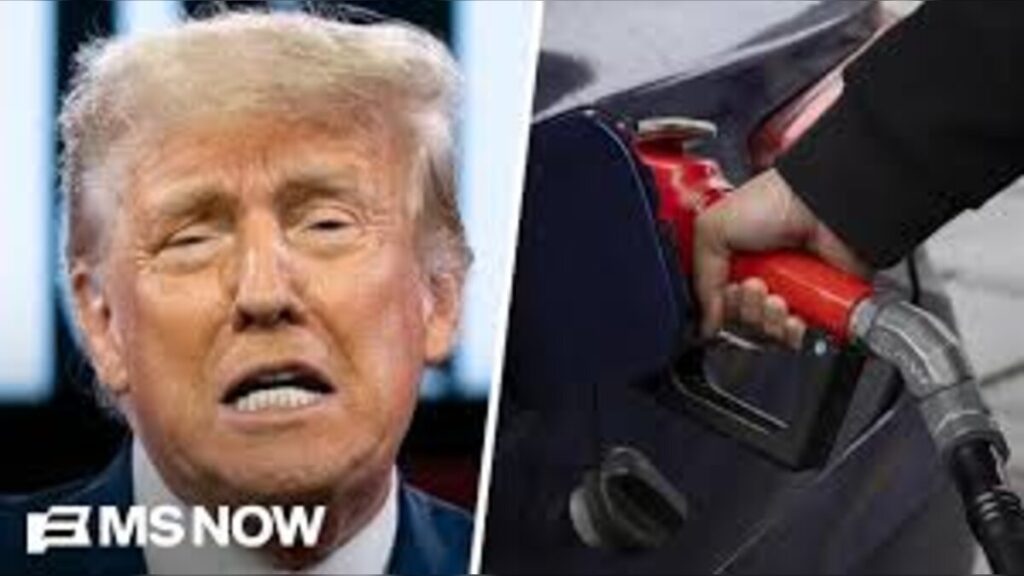
There’s a rising sense of tension inside Washington as concerns mount over how the Iran conflict is spilling into everyday life for Americans.
At the centre of it all is a simple but painful issue: the cost of fuel.
Gas prices have surged sharply since the start of the war, and the ripple effect is being felt far beyond petrol stations.
From airline tickets to household budgets, the pressure is building fast — and it’s becoming a political headache for Donald Trump and his advisers.
Reports suggest some within Trump’s inner circle are privately worried that the situation could turn into a serious electoral setback during the upcoming midterm elections, especially if prices stay high through the summer.
Americans Feeling the Squeeze at the Pump
For many households, the most visible impact is happening at the gas pump.
A recent national poll showed that about 63 percent of Americans believe Trump is responsible for the rise in fuel prices, while more than 80 percent say the cost of filling their tanks is straining their finances.
The numbers are stark. The average US fuel price has climbed to around $4.58 per gallon, compared to roughly $2.98 before the conflict escalated.
That difference means an extra $15–$25 for many drivers every time they refuel.
It may sound like a small change per gallon, but across weekly commutes, school runs and road trips, the impact quickly adds up.
Airlines Hit Hard as Jet Fuel Costs Surge
The aviation industry is also feeling the shockwaves.
Jet fuel prices have more than doubled in some markets since the conflict began, forcing airlines to adjust ticket prices.
US carriers reportedly spent over $5 billion on fuel in March alone — about 30 percent more than the previous year.
Unsurprisingly, passengers are now paying more.
Domestic airfares have jumped by around 21 percent, with the average round-trip economy ticket hitting approximately $570.
One major airline collapse has already been linked to the crisis, with Spirit Airlines entering liquidation after fuel costs skyrocketed and government support was withdrawn.
For families planning spring and summer travel, the timing couldn’t be worse.




Political Pressure Builds Inside Trump’s Circle
Behind closed doors, advisers are said to be increasingly uneasy.
Some believe that if fuel and travel costs remain high heading into the midterms, Republican candidates could face significant backlash at the ballot box.
Former New Hampshire governor Chris Sununu, who now works closely with the aviation sector, has reportedly warned officials that airline prices could continue climbing unless the conflict ends quickly.
He suggested that even if global shipping routes stabilise, passengers should not expect immediate relief, saying price reductions typically lag behind market changes.
Meanwhile, Trump has publicly defended the economic impact, arguing that higher oil prices are a necessary cost in dealing with what he describes as a serious security threat.
Oil Markets React to Uncertainty
Global oil markets have been volatile throughout the conflict.
Brent crude has swung dramatically, at one point dropping below $97 per barrel before rising back above $100 after uncertainty over peace negotiations.
Before the war, prices were closer to $60 per barrel.
Another major concern is the Strait of Hormuz, a critical shipping route for global oil supplies.
Any disruption there tends to send immediate shockwaves through global energy markets.
Jet fuel prices have been hit even harder, creating additional pressure on airlines and logistics companies already operating on thin margins.
Economic Ripples Beyond Fuel
The effects are not limited to transport.
Higher fuel costs typically feed into broader inflation, affecting food distribution, retail pricing, and manufacturing expenses.
Businesses reliant on shipping are already reporting increased operating costs.
Some economists warn that if high oil prices persist, consumers could see continued price increases across a wide range of goods, not just fuel and flights.
At the same time, government officials argue that other areas of inflation have shown signs of stabilising, pointing to recent drops in certain grocery and pharmaceutical prices.
Impact and Consequences
The political and economic consequences are stacking up quickly:
- Rising fuel prices are increasing pressure on household budgets nationwide
- Airline tickets are becoming significantly more expensive, reducing travel demand
- Airline profitability is shrinking, with some companies at risk of collapse
- Political blame is intensifying ahead of the midterm elections
- Inflation risks remain elevated due to energy-driven price shocks
- Consumer confidence is being affected by uncertainty over future costs
For the White House and political advisers, the challenge is no longer just about foreign policy — it is now deeply tied to everyday economic reality.
What’s Next?
The next phase largely depends on how quickly diplomatic efforts to resolve the Iran conflict progress.
If a peace agreement or shipping route stabilisation is reached, oil markets could eventually cool.
However, analysts warn that even in a best-case scenario, fuel prices at the consumer level will not drop immediately.
Airline pricing is expected to remain elevated through the summer travel season, regardless of short-term oil fluctuations.
Politically, attention will likely shift toward how voters respond to rising living costs when they head to the polls.
Summary
The Iran conflict has triggered a sharp rise in global oil prices, pushing US fuel costs to their highest levels in years.
This has led to more expensive travel, higher airline costs, and growing political pressure on Donald Trump’s administration.
While officials insist the situation is temporary and linked to broader security concerns, many Americans are feeling the strain directly in their daily expenses.
Bulleted Takeaways
- US fuel prices have surged to about $4.58 per gallon, up sharply from pre-war levels
- More than 80% of Americans say gas prices are straining their finances
- Airlines have seen jet fuel costs more than double in some cases
- Domestic airfare has risen by around 21%
- One major airline has already entered liquidation due to financial pressure
- Oil prices remain volatile due to uncertainty around the Iran conflict
- Political advisers fear economic pain could influence midterm election results
- Even if peace is reached, prices may stay high for months

