
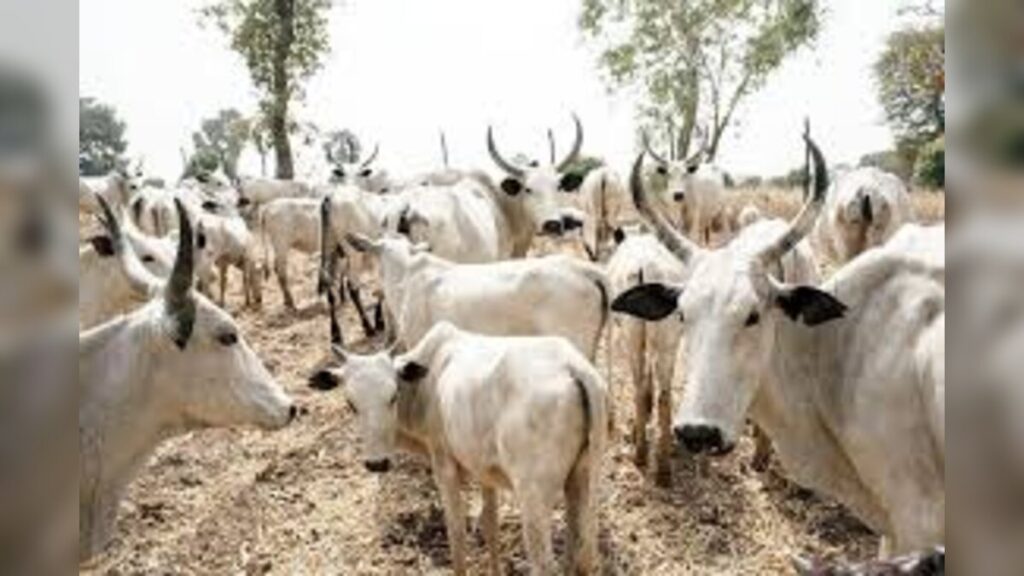
As preparations build toward the upcoming Eid al-Kabir celebrations, authorities in Oyo State have issued a firm reminder to residents: stop turning major highways into makeshift livestock markets.
Officials say the sale of cows and rams on roadsides is no longer acceptable, especially across the state’s 33 local government areas.
Instead, designated markets remain the only approved spaces for such trading activities.
The message was reinforced during a stakeholder summit held in Ibadan, where government representatives, security agencies, traditional rulers, farmers, and herders gathered to review compliance with the state’s livestock regulation laws.
Government Reassures Farmers and Herders
A key concern raised in recent years has been whether the 2019 Anti-Open Rearing and Grazing Law unfairly targets any group.
Officials used the summit to push back against that perception.
They stressed that the law is designed to reduce conflict, protect farmland, and improve safety—not to intimidate or single out herders.
According to the government, every local government already has designated livestock markets that can support proper trade.
The atmosphere at the meeting reflected a shared urgency: reduce tension between farming and herding communities while ensuring economic activity continues without disruption.
Why the Anti-Open Grazing Law Matters
Introduced in 2019, the law was created in response to recurring clashes between farmers and livestock herders.
These conflicts often lead to destruction of crops, loss of livestock, and in some cases, violent confrontations.
Officials explained that open grazing not only damages farmlands but also disrupts food production and community safety.
By encouraging controlled livestock movement and designated trading spaces, the state hopes to reduce friction.
A senior justice official at the summit emphasized that laws only work when people follow them, adding that compliance is what turns policy into real-world impact.
Enforcement Will Be Firm but Balanced
Authorities made it clear that enforcement will not be symbolic.
Traders who violate the directive risk penalties, including fines and confiscation of animals found on illegal roadside markets.




However, government representatives also emphasized that enforcement will be combined with awareness campaigns.
The goal, they said, is not punishment alone but long-term behavioral change across communities.
Security agencies were also urged to support implementation fairly, ensuring that enforcement does not escalate tensions between groups.
Farmers and Herders Urged Toward Cooperation
The Commissioner for Agriculture and Rural Development called on farmers to embrace ranching and more structured livestock systems, describing livestock farming as a legitimate business that must be managed responsibly.
He also reiterated that no economic activity should interfere with another’s livelihood.
In his words, peaceful coexistence depends on respecting boundaries—both physical and legal.
Stakeholders agreed that dialogue and education are just as important as enforcement in achieving lasting peace.
Eid al-Kabir and the Pressure on Public Roads
The timing of the warning is significant.
The Islamic festival of Eid al-Kabir—widely observed across Nigeria—traditionally sees increased demand for livestock such as rams and cattle.
The festival, which commemorates sacrifice and devotion, often leads to roadside trading activity as buyers seek last-minute purchases.
Authorities say this seasonal rush must not be used as an excuse to violate safety regulations.
Impact and Consequences
The immediate impact is a stricter regulatory environment for livestock traders during the festive season.
Many roadside sellers will be required to relocate to approved markets, which may reduce spontaneous roadside sales.
On the positive side, officials believe this will reduce traffic congestion, lower accident risks on highways, and improve sanitary conditions around livestock handling.
However, enforcement could also create short-term friction, especially among traders who rely on high-traffic roadside visibility for quick sales during festive demand spikes.
What’s Next?
Authorities are expected to increase monitoring across major roads as Eid approaches.
Public awareness campaigns will likely intensify in local communities, markets, and transport hubs.
Security agencies may also be deployed to enforce compliance during peak buying periods.
At the same time, government officials say they will continue engaging stakeholders to prevent misunderstandings and reduce resistance.
Long-term, the state appears focused on strengthening ranching systems and formal livestock markets to fully phase out open roadside trading.
Summary
Oyo State is tightening enforcement of its anti-open grazing and livestock trading regulations ahead of Eid al-Kabir.
Officials say roadside sales of cows and rams will no longer be tolerated, insisting that designated markets must be used instead.
While the policy has raised concerns among some traders, the government insists it is focused on safety, economic order, and peaceful coexistence between farmers and herders.
Bulleted Takeaways
- Oyo State warns against roadside sale of cows and rams during Eid al-Kabir.
- Enforcement of the 2019 Anti-Open Rearing and Grazing Law is being reinforced.
- Designated livestock markets must be used instead of highways or streets.
- Authorities say the law is aimed at reducing farmer-herder conflicts.
- Traders violating the rule risk fines and confiscation of animals.
- Stakeholders emphasize cooperation, awareness, and education alongside enforcement.
- Officials encourage ranching as a safer and more structured livestock system.
- Increased monitoring is expected across major roads during the festive period.

