
For the second day running, the United Arab Emirates has found itself fending off incoming aerial threats, as its air defence systems moved swiftly to intercept missiles and drones reportedly launched from Iran.
The developments suggest that despite talk of a ceasefire, the region remains dangerously volatile, with hostilities simmering just beneath the surface.
Officials confirmed the interceptions in a brief but pointed update, noting that defensive systems were actively tracking and neutralizing multiple airborne threats.
The language was measured, but the message was clear: the situation is far from stable.
A Strike That Sparked Fresh Alarm
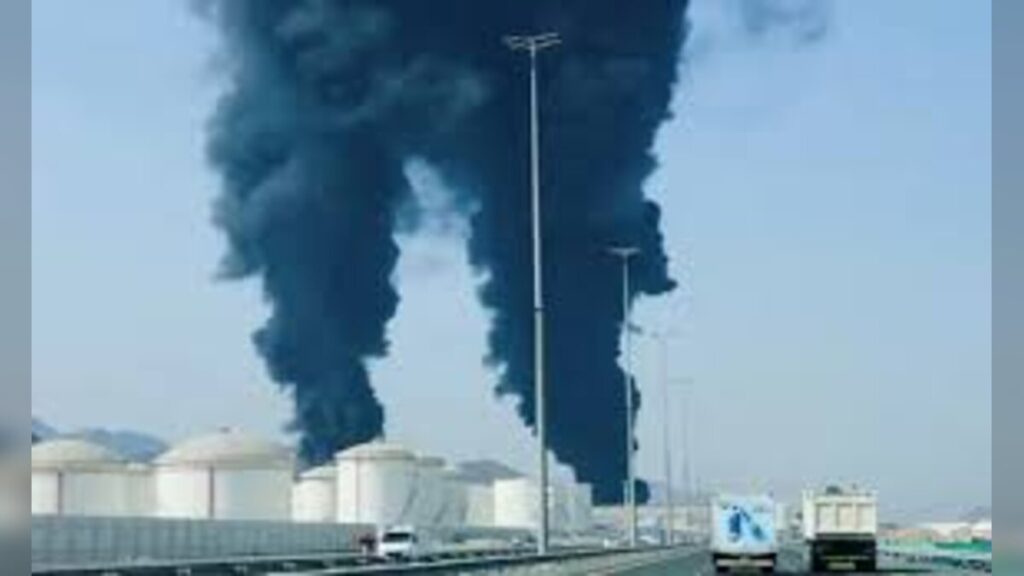
The renewed wave of interceptions comes on the heels of a drone strike that hit a key energy facility in Fujairah a day earlier.
The attack triggered a fire and left at least three people injured, raising immediate concerns about the vulnerability of vital infrastructure.
Fujairah is not just another industrial hub—it plays a critical role in the UAE’s oil export strategy.
Its location allows shipments to bypass the narrow and often tense Strait of Hormuz, a chokepoint that has long been at the center of geopolitical friction.
Why Fujairah Matters More Than Ever
The importance of Fujairah cannot be overstated.
As the UAE’s main oil export terminal outside the Strait of Hormuz, it offers a strategic workaround for global energy markets.
Any disruption there sends ripples far beyond the Gulf, affecting supply chains and oil prices worldwide.


This latest incident has reignited fears about how exposed such facilities are, especially in a conflict where drones and precision strikes have become the weapons of choice.
A Pattern of Persistent Attacks
While these recent events are alarming, they are not isolated.
UAE officials say the country has endured more than 2,800 missile and drone attacks since the conflict began.
That figure paints a picture of sustained pressure rather than sporadic aggression.
The UAE’s close alignment with the United States, combined with its geographic proximity to Iran, has made it a recurring target in the broader regional struggle for influence.
Impact and Consequences
The immediate impact is a heightened sense of insecurity across the Gulf.
Energy infrastructure—already a sensitive target—now appears even more exposed.
This could lead to increased military spending, tighter security measures, and potential disruptions in oil exports.
Globally, markets tend to react quickly to instability in the Gulf.
Even minor threats to supply routes can push oil prices upward, affecting everything from transportation costs to inflation rates in distant economies.
There’s also the human cost. Injuries from the Fujairah attack serve as a reminder that beyond strategy and geopolitics, real lives are at stake.
What’s Next?
The big question is whether this marks a temporary flare-up or the beginning of a broader escalation.
Much depends on diplomatic efforts behind the scenes, particularly involving major powers with stakes in the region.
If attacks continue, the UAE may deepen its defensive partnerships and invest further in advanced interception systems.
On the other hand, a successful diplomatic push could reinforce the fragile ceasefire and reduce the frequency of such incidents.
Summary
The UAE’s interception of missiles and drones for a second consecutive day underscores just how fragile the current ceasefire is.
With a critical energy facility already hit and tensions lingering near one of the world’s most important shipping routes, the region remains on edge.
Bulleted Takeaways
- The UAE intercepted missiles and drones reportedly launched from Iran for two straight days
- A drone strike in Fujairah damaged an energy facility and injured three people
- Fujairah is strategically vital as an oil export hub outside the Strait of Hormuz
- The UAE has faced over 2,800 missile and drone attacks during the conflict
- Ongoing tensions could impact global oil markets and regional security
- The situation remains uncertain, with diplomacy and defence both playing key roles moving forward

