
Nigeria’s external trade scene entered 2026 on a stronger note than many analysts expected, with export activity pushing close to the $1 billion threshold in just the first quarter.
The numbers reflect a clearer improvement in how goods are moving through the country’s trade system.
Official figures show export earnings reached about $925.84 million in Q1, marking a solid rise compared to the same period the previous year.
Behind that figure is a broader shift in shipping activity, logistics performance, and cargo handling across major ports.
It’s not just about money either—physical movement of goods is also picking up pace.
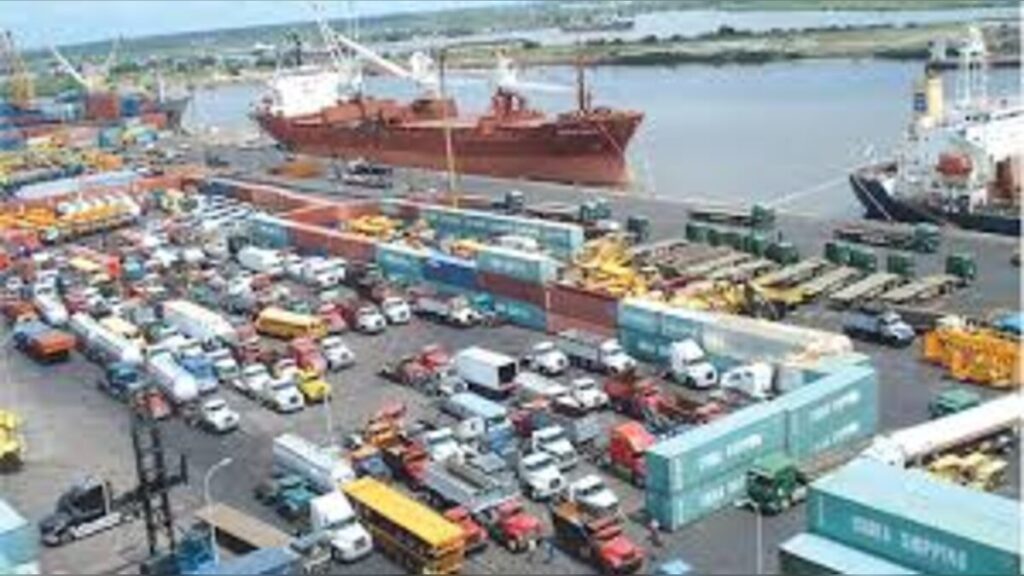
Cargo Traffic Doubles as Ports Handle More Export Load
One of the most striking changes came from container traffic.
Export-bound containers rose sharply to 19,014 units, almost twice what was recorded a year earlier.
That kind of jump usually signals more than just increased demand.
It often reflects smoother port operations, faster documentation processes, and better coordination between shipping lines and exporters.
Industry operators say this improvement suggests that some of the bottlenecks that previously slowed Nigerian exports—delays at terminals, paperwork congestion, and evacuation challenges—are gradually easing.
March Surge Pushes the Quarter Forward
A large portion of the quarter’s performance came in March, when export earnings climbed to around $425.48 million.
That late surge is important because it shows momentum building rather than flattening out.
In practical terms, more goods were cleared, shipped, and processed toward the end of the quarter than at the beginning.
Trade analysts often see this kind of pattern as a sign that operational fixes—like reduced waiting times at ports—are starting to take effect.
Ports and Logistics Begin Showing Signs of Efficiency Gains
Behind the numbers, there’s a quieter story about how port systems are functioning.




Improvements in cargo handling, faster clearance times, and better coordination across agencies have all contributed to the uptick.
Nigeria’s export chain has long struggled with inefficiencies, from documentation delays to infrastructure limitations.
But recent adjustments in port operations appear to be helping exporters move goods more reliably.
That shift is particularly important for non-oil exports, which rely heavily on predictable shipping timelines to remain competitive internationally.
Rising Costs Still Shadow the Progress
Even with the positive figures, exporters are not operating in a stress-free environment.
Costs tied to transport, fuel, energy supply, and regulatory compliance continue to weigh on operations.
These pressures can eat into margins quickly, especially for small and mid-sized exporters who lack large-scale logistics support.
So while more goods are moving, the cost of moving them remains a challenge that could slow down future growth if not addressed.
A Step Toward Diversifying Nigeria’s Export Base
The improvement in Q1 export performance is also tied to a broader national goal: reducing reliance on crude oil revenues.
Non-oil exports are gradually becoming more visible in trade data, supported by agricultural products, manufactured goods, and raw materials entering global markets.
This gradual diversification is something policymakers have been pushing for years, but progress has often been uneven due to infrastructure and policy constraints.
Impact and Consequences
The immediate impact of stronger export figures is improved foreign exchange inflows and better trade confidence among exporters.
For the logistics sector, higher cargo volumes mean increased activity at ports, shipping terminals, and freight services, which can stimulate related industries like warehousing and inland transport.
However, rising costs and infrastructure strain could offset some of these gains if efficiency improvements are not sustained.
In the broader economy, stronger exports help reduce pressure on imports and support currency stability, but only if growth is consistent across multiple quarters.
What’s Next?
The next phase will depend heavily on whether Nigeria can maintain the current pace of port efficiency and cargo movement.
If reforms in trade facilitation continue, export volumes could grow further in 2026, especially in non-oil sectors.
Attention will likely focus on improving infrastructure, reducing bureaucratic delays, and expanding access to financing for exporters.
At the same time, global demand conditions will play a role, meaning external markets will also influence how far this growth can go.
Summary
Nigeria’s export sector started 2026 with stronger performance, reaching nearly $1 billion in Q1 export earnings.
Growth was supported by rising cargo volumes, improved port operations, and a late-quarter surge in shipments.
Despite progress, structural challenges such as high costs and infrastructure limitations remain key risks to sustaining the momentum.
Bulleted Takeaways
- Nigeria recorded about $925.84 million in export earnings in Q1 2026
- Export container traffic rose to 19,014 units, nearly double the previous year
- March alone contributed $425.48 million in export revenue
- Improved port efficiency and logistics coordination supported trade growth
- Bottlenecks in documentation and cargo handling are gradually easing
- Exporters still face high costs from transport, energy, and regulations
- Growth supports Nigeria’s push to diversify away from oil dependence
- Stronger exports may improve foreign exchange inflows and trade balance
- Sustaining momentum depends on infrastructure upgrades and policy stability
- External global demand will also influence future export performance

