
Behind the public headlines and sharp political statements, a quieter diplomatic channel has been moving between Iran and the United States.
According to reporting by Axios, Iran recently sent a new proposal through Pakistani intermediaries aimed at reducing tensions around the Strait of Hormuz while postponing nuclear negotiations to a later phase.
The idea, as described by US officials and sources familiar with the talks, is not a full peace breakthrough but a limited arrangement focused on one of the world’s most strategically sensitive waterways.
The Strait at the Center of Global Energy Pressure
The Strait of Hormuz remains one of the most important chokepoints for global oil shipping.
Any disruption there can send immediate shockwaves through global energy markets.
Iran’s reported proposal suggests easing restrictions tied to maritime movement in exchange for broader negotiations later.
In practical terms, this would involve the US loosening pressure linked to Iranian assets and shipping access, something Washington has historically used as leverage in wider nuclear discussions.
Washington’s Response and the Trump Security Briefing
In response, US President Donald Trump is expected to meet his national security team in a Situation Room briefing focused on Iran strategy.
The discussion is believed to include military, diplomatic, and economic options moving forward.
Trump has already indicated that pressure will remain in place until a comprehensive deal is reached.
His position reflects a broader US strategy of maintaining leverage before making concessions in negotiations with Tehran.
Energy Risk and the Warning From Washington
Trump also framed the situation in stark terms during remarks on Fox News, warning about the consequences of any disruption to shipping routes through the Strait.
He described a scenario where global oil movement could become unstable if access were restricted.




The underlying concern is simple: if the flow of oil through this route is interrupted, global supply chains could react immediately, pushing prices higher and triggering economic uncertainty far beyond the region.
Diplomatic Movement Through Oman and Pakistan
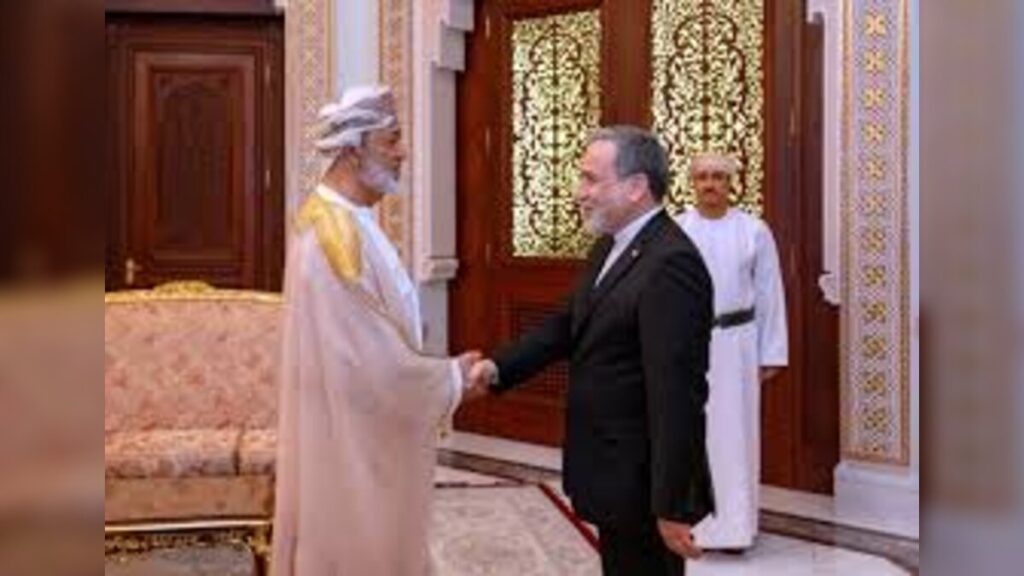
While tensions play out publicly, Iranian Foreign Minister Abbas Araghchi has been moving between regional capitals.
After talks in Oman, he expressed appreciation for the country’s role as a mediator and emphasized cooperation among Gulf nations to ensure safe maritime navigation.
Before that, he held discussions in Islamabad with Pakistani officials, reinforcing Pakistan’s role as an intermediary channel between Tehran and Washington.
After Oman, he reportedly continued diplomatic outreach toward Moscow, signaling Iran’s multi-directional strategy in managing regional pressure.
A Broader Pattern of Regional Mediation
Oman has historically played a quiet but important role in backchannel diplomacy between Iran and Western powers, including earlier nuclear discussions.
Pakistan’s involvement in this latest round reflects its geographic and political position as a bridge between Gulf security concerns and broader regional stability efforts.
These overlapping diplomatic routes suggest that while official negotiations remain tense, informal communication lines are still active and evolving.
Impact and Consequences
The immediate impact of these developments is increased uncertainty in global energy and financial markets.
The Strait of Hormuz is not just a regional issue—it is a critical artery for global oil supply. Even speculation about disruption can influence prices and shipping insurance costs.
Politically, the proposal highlights Iran’s attempt to shift negotiations toward phased bargaining rather than a single comprehensive deal.
For the US, it reinforces the challenge of balancing pressure with diplomacy without weakening leverage.
Regionally, allies and neighboring states are watching closely, as any escalation could affect trade routes, energy security, and broader Gulf stability.
What’s Next in the Negotiation Cycle?
The next stage appears to depend heavily on the upcoming US Situation Room meeting and whether Washington is willing to engage with partial arrangements.
If the US rejects interim steps, tensions may remain elevated while sanctions and maritime pressure continue.
At the same time, Iran’s continued engagement with Oman, Pakistan, and Russia suggests it is building a wider diplomatic cushion, potentially preparing for longer negotiations rather than quick resolution.
Summary
The emerging situation around the Strait of Hormuz reflects a complex mix of diplomacy, pressure tactics, and strategic signaling.
Iran is pushing a phased approach through regional mediators, while the US is maintaining a firm stance focused on leverage and comprehensive agreement.
The result is a fragile, evolving standoff with global consequences.
Bulleted Takeaways
- Iran reportedly sent a proposal via Pakistan to the US on Strait of Hormuz access and phased negotiations
- Nuclear talks may be delayed in favor of immediate maritime-focused arrangements
- The Strait of Hormuz remains a critical global oil shipping chokepoint
- US President Donald Trump is holding high-level security discussions on Iran strategy
- Washington insists pressure and restrictions will remain until a full deal is reached
- Iranian Foreign Minister Abbas Araghchi has held talks in Oman, Pakistan, and is engaging regional allies
- Oman continues its traditional role as a mediator in US–Iran tensions
- Any disruption risks global energy price shocks and market instability
- The situation remains fluid with diplomacy and pressure moving in parallel tracks

