
From blunt political remarks shaking confidence in Nigeria’s oil sector to sudden deaths of citizens abroad and rising tension in aviation, the latest developments cut across governance, the economy, education, and diaspora life.
It’s one of those news cycles where nothing sits quietly in one lane—everything seems connected by pressure, uncertainty, and frustration building at the same time.
Obasanjo’s Hard Words on Nigeria’s Refinery Struggles
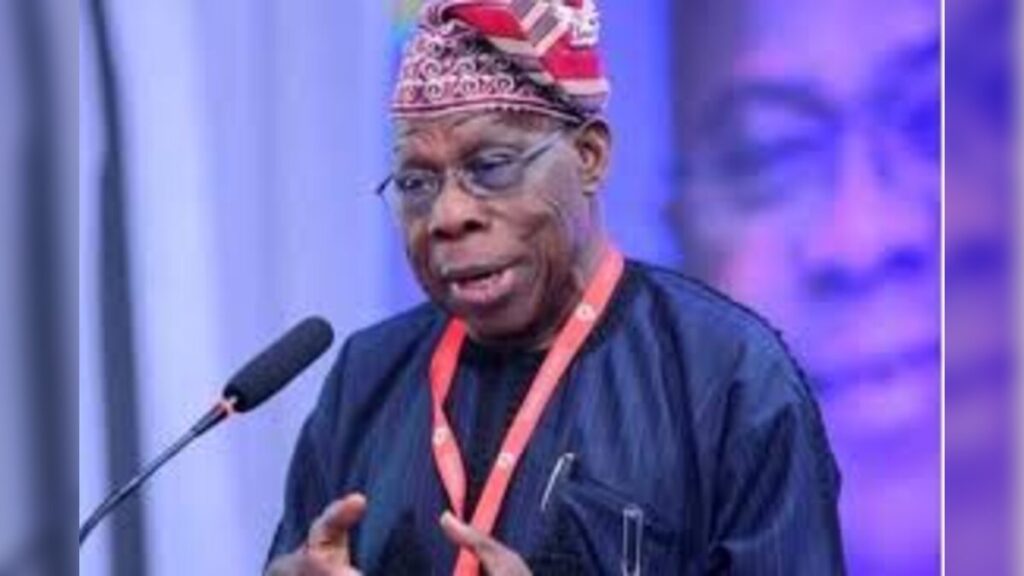
Former President Olusegun Obasanjo has once again sparked debate after insisting that Nigeria’s state-owned refineries are beyond repair in any practical sense.
His comment lands right in the middle of ongoing attempts by the Nigerian National Petroleum Company Limited to revive facilities in Port Harcourt, Warri, and Kaduna through private partnerships and rehabilitation projects.
According to him, the problems are not new and not technical alone.
He argues that years of neglect, weak maintenance culture, and governance issues have made the refineries unattractive even to serious international investors.
He also recalled earlier attempts during his administration to involve private operators, including discussions linked to prominent industrialist Aliko Dangote, which eventually collapsed.
His position remains controversial because while government continues to invest heavily in refinery rehabilitation, public expectation has long been shaped by repeated failures to deliver stable output.
A Sudden Death in the UK Raises Fresh Diaspora Concerns
In the United Kingdom, the sudden death of a 37-year-old Nigerian worker, Ademola Oke, has added to growing unease among Nigerians abroad.
He was reportedly found unresponsive at his workplace during a night shift, with emergency responders confirming his death at the scene.
The incident has left his family devastated, particularly as he is survived by a wife and two young children.
Community members have already begun fundraising efforts to support funeral arrangements and the family’s immediate needs.
What makes the story more unsettling is that it is part of a cluster of recent sudden deaths involving Nigerians in the UK this month, raising questions within diaspora circles about workplace health monitoring, stress conditions, and emergency response systems.
Opposition Politics Splits Over 2027 Alliances
Back home, political tensions are rising ahead of 2027 as opposition groups clash over proposed alliances.
A recent meeting in Ibadan that suggested a joint presidential ticket quickly fell apart as major factions of the PDP, Labour Party, ADC, and Accord Party publicly distanced themselves from the idea.
One faction of the Peoples Democratic Party loyal to Nyesom Wike dismissed the participants as unauthorised, insisting they did not speak for the party.




Other parties also rejected the proposal, arguing they remain focused on internal restructuring and independent contest plans.
Instead of unity, what emerged was a clearer picture of fragmentation.
Despite repeated calls for a united opposition front to challenge the ruling party, internal distrust continues to slow any meaningful coalition building.
Aviation Sector Warning: Fuel Costs Push Airlines to the Edge
Nigeria’s aviation industry is now openly warning of disruption as fuel prices continue to rise sharply.
Airline operators say the cost of aviation fuel has jumped from around N900 per litre to as high as N3,500 in some cases, pushing operations close to unsustainable levels.
The Airline Operators of Nigeria have even suggested a possible nationwide shutdown if urgent action is not taken.
While government has announced some tax relief measures, operators argue these do little to solve the core problem of fuel affordability.
If the situation escalates, it could ground domestic flights, disrupt business travel, and create ripple effects across logistics and commerce.
OAU Explains Why Peter Obi Lecture Was Turned Down
The management of Obafemi Awolowo University has also been pulled into national discussion after declining a request to host a lecture involving Peter Obi.
The university said the request came too close to the scheduled date, making it impossible to complete security and logistical planning.
Officials stressed that events involving high-profile guests require proper coordination with security agencies to ensure safety and order on campus.
The clarification came after criticism that the decision was politically motivated.
The university insists it was purely procedural, not personal or political.
Impact and Consequences
Taken together, these stories highlight a country and diaspora space dealing with multiple pressure points at once.
Obasanjo’s remarks reinforce long-standing doubts about Nigeria’s refining capacity, potentially affecting investor sentiment in the energy sector.
The UK death case adds emotional weight to ongoing concerns about migrant worker welfare and emergency safety systems abroad.
Meanwhile, political fragmentation weakens opposition readiness ahead of a crucial election cycle.
In aviation, rising fuel costs threaten mobility and economic activity, while university-related controversies show how quickly procedural decisions can become national debates.
What’s Next?
The coming weeks will likely bring more pressure on policymakers, especially around aviation fuel pricing and energy sector reforms.
The refinery debate may also intensify as government continues to defend rehabilitation efforts.
In politics, opposition parties may either revisit coalition talks or continue fragmented preparations for 2027.
For the diaspora community, there may be renewed calls for stronger workplace protections and consular engagement following recent deaths.
Summary
A mix of political tension, economic strain, institutional controversy, and diaspora tragedy defines the current news cycle.
From Obasanjo’s uncompromising refinery assessment to aviation shutdown threats and opposition party disputes, the themes point to a system under stress across multiple fronts.
Bulleted Takeaways
- Obasanjo insists Nigeria’s refineries may never function properly despite ongoing reforms
- NNPC continues rehabilitation efforts on major refineries across the country
- A Nigerian worker, Ademola Oke, died suddenly at a UK workplace, raising diaspora concerns
- Opposition parties rejected a proposed joint presidential ticket ahead of 2027 elections
- PDP faction disputes legitimacy of Ibadan coalition meeting
- Airlines warn of possible shutdown due to aviation fuel price spikes
- Fuel costs have reportedly risen from N900 to as high as N3,500 per litre
- OAU says it declined Peter Obi lecture due to late notice and security concerns
- Nigeria faces simultaneous pressures in politics, economy, aviation, and diaspora welfare
- Calls for stronger coordination and reforms continue across affected sectors

