
The European Commission has announced the winners of the 2026 European Capitals of Inclusion and Diversity Award, putting the spotlight on cities, towns, and regions that it says are leading the way in building fairer and more inclusive communities across the European Union.
The announcement comes just before the start of EU Diversity Month, giving the award added visibility as Brussels pushes inclusion higher up the agenda.
Five Countries Featured Among This Year’s Winners
This year’s honored local authorities come from Belgium, Hungary, Italy, the Netherlands, and Spain.
According to the Commission, they were recognized for policies and initiatives aimed at improving inclusion across a wide range of areas, including gender, racial and ethnic origin, religion and belief, disability, age, and LGBTIQ+ equality.
The award is designed to celebrate places that do more than talk about diversity and instead put practical measures in place.
Budapest District Takes Gold in Major-City Category
In the category for local authorities with more than 50,000 inhabitants, the Gold Award went to Józsefváros, Budapest’s 8th District in Hungary.
The Commission said the district stood out for its work on inclusive municipal employment, Roma inclusion, LGBTIQ+ equality, and action against gender-based violence.
The Silver Award in the same category was awarded to Leuven in Belgium, recognized for anti-discrimination work including its “Leuven without Racism” project and a broad action plan covering housing, employment, education, and more.
Leiden in the Netherlands received the Bronze Award for its “Leiden Inclusive” policy, which aims to ensure residents feel free to be themselves regardless of background, faith, gender, age, sexual orientation, or disability.
Spanish Local Authorities Dominated the Smaller-Municipality Category
For local authorities with fewer than 50,000 inhabitants, Spain performed especially strongly.
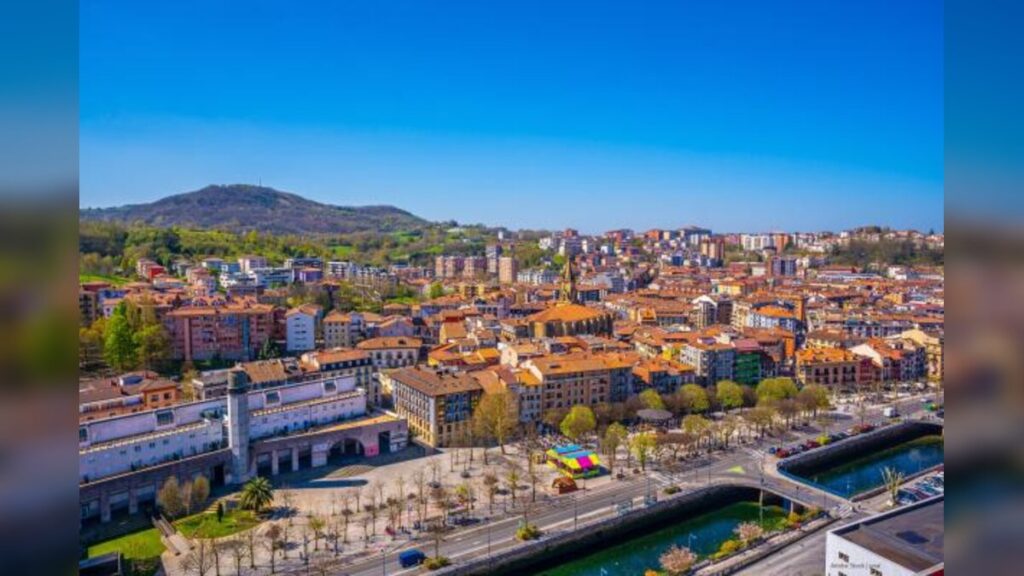
Errenteria won the Gold Award for its commitment to cultural diversity and its work with migrants, women, older people, people with disabilities, and the LGBTIQ+ community.
Orio received the Silver Award for its inclusion strategy, known as Bizitza Askeak Plazer or “Living Free is a Pleasure.” San Xoán de Río took the Bronze Award for efforts aimed at reducing discrimination affecting older people, women, and LGBTIQ+ residents.
Labour Market Inclusion Also Received Special Recognition
The Commission also handed out a specific award for building inclusive labour markets for all.
In that category, Errenteria took another Gold Award, this time for promoting employment as a key part of social inclusion and for encouraging a labour market that reflects diversity.
Orio again placed strongly, taking Silver for initiatives focused on people at risk of exclusion, particularly migrant women in the care economy.




The Metropolitan City of Milan in Italy received the Bronze Award for work on inclusive and sustainable employment, including the “Claudia!” project that helps organizations and businesses adopt inclusion and gender-equality policies.
Public Vote Added Another Italian Winner
In addition to the jury awards, the public choice award went to Marsicovetere, Italy, after audience voting ahead of the ceremony.
That gave Italy another moment in the spotlight in an awards lineup otherwise heavily marked by Spanish success.
Award Tied to Wider EU Equality Agenda
The European Commission linked the award directly to its broader equality agenda.
It said the program was launched under the EU Anti-Racism Action Plan 2020–2025 and the LGBTIQ+ Equality Strategy 2020–2025, and that its commitment will continue through updated strategies covering LGBTIQ+ equality, anti-racism, and gender equality for 2026–2030.
The goal is not only to reward local authorities, but also to raise the profile of policies that reduce discrimination and promote equal treatment.
Diversity Month Gives the Awards Extra Weight
This year’s ceremony also marks the launch of European Diversity Month 2026.
The Commission said this year’s theme focuses on strengthening inclusive labour markets and workplaces, with the aim of making equal treatment a lived reality rather than just a stated principle.
Senior EU figures used the occasion to argue that inclusive workplaces and communities are not only a matter of fairness, but also of social and economic strength.
Impact and Consequences
The immediate impact of these awards is symbolic, but symbolism matters in EU policymaking.
Recognition from the Commission can strengthen the standing of local authorities that have invested in inclusion and can give their programs more credibility at home and abroad.
It may also encourage other municipalities to borrow similar ideas, especially if they want future EU recognition or funding support.
There is also a wider political consequence.
By tying the award to labour markets, anti-racism, gender equality, and LGBTIQ+ rights, the Commission is making clear that diversity policy remains central to its next strategic phase.
That can help push inclusion higher up local political agendas, but it may also spark pushback in parts of Europe where such policies remain politically contested.
What’s next?
The next step is likely to be continued promotion of the winning local models during European Diversity Month, alongside efforts to encourage more cities and towns to adopt similar approaches.
The Commission has already signaled that it intends to keep supporting and highlighting local authorities that champion inclusion under its new equality strategies for 2026–2030.
Attention will also turn to whether the winning municipalities can translate recognition into longer-term policy momentum.
Awards can open doors, but the real test will be whether these projects continue delivering measurable results for the people they are meant to serve.
Summary
The European Commission has named the winners of the 2026 European Capitals of Inclusion and Diversity Award, honoring municipalities in Hungary, Belgium, the Netherlands, Spain, and Italy for efforts to promote fairer and more inclusive societies.
Józsefváros in Budapest led the bigger-city category, while Spanish local authorities performed especially strongly in the smaller-municipality and labour-market categories.
The awards arrive alongside the launch of European Diversity Month 2026, reinforcing Brussels’ message that inclusion, equality, and diverse labour markets will remain central priorities in the years ahead.
Bulleted Takeaways:
- The European Commission has announced the winners of the 2026 European Capitals of Inclusion and Diversity Award.
- Winners came from Belgium, Hungary, Italy, the Netherlands, and Spain.
- Józsefváros, Budapest’s 8th District, won gold in the category for local authorities with more than 50,000 inhabitants.
- Leuven took silver and Leiden took bronze in the same category.
- Errenteria won gold among smaller local authorities and also won gold for inclusive labour markets.
- Orio earned silver in both the smaller-authority and labour-market categories.
- San Xoán de Río won bronze in the smaller-authority category.
- Milan received bronze for building inclusive labour markets.
- Marsicovetere won the public choice award.
- The announcement coincides with the launch of European Diversity Month 2026 and the EU’s renewed push on equality policies.
