
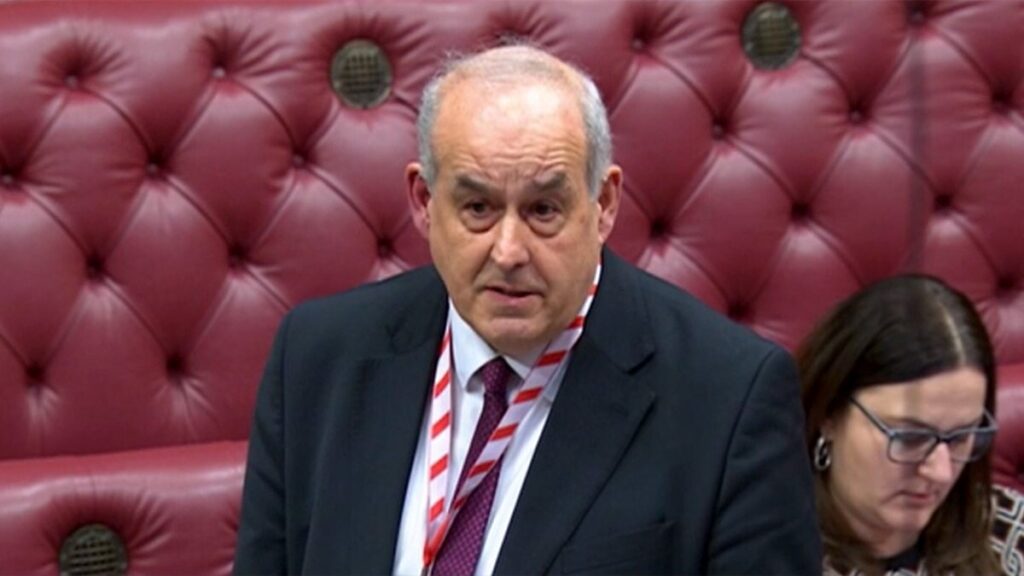
The UK government has formally responded to new recommendations aimed at improving openness around scientific research involving animals.
The response came from Lord Hanson of Flint following advice issued by the Animals in Science Committee on the use of non-technical summaries and retrospective assessments in animal research projects.
The development marks another step in the ongoing debate over transparency, ethics, and public accountability in scientific testing involving animals across the United Kingdom.
What the Advice Was About
The recommendations from the Animals in Science Committee focused on two important areas tied to animal experimentation oversight.
The first concerns non-technical summaries.
These are simplified explanations of animal research projects written for the general public.
Their purpose is to help people understand why animal testing is being carried out, what benefits researchers expect, and how animal welfare is being protected — all without complicated scientific language.
The second area involves retrospective assessments.
These are reviews conducted after research projects are completed to determine whether the intended scientific outcomes were achieved and whether the harm caused to animals was justified and minimized.
The committee believes both measures are important for improving public trust and ensuring stronger accountability within the scientific community.
Lord Hanson Explains the Government’s Position
In his response to Dr. Sally Robinson, Lord Hanson said the Home Office had reviewed the committee’s recommendations and divided them into two separate groups.
According to the government, some proposals can be addressed immediately through existing systems and policy adjustments.
Others will require additional examination and consultation before decisions are made.
Those more complex recommendations are expected to be considered alongside future guidance from the National Centre for the Replacement, Refinement and Reduction of Animals in Research, commonly known as NC3Rs.
The Home Office indicated that collaboration with scientific and regulatory stakeholders will continue before final decisions are taken on the remaining proposals.
Why Transparency in Animal Research Matters
Animal testing remains one of the most controversial areas of scientific research worldwide.
Supporters argue that it has contributed to major breakthroughs in medicine, vaccines, and disease treatment.
Critics, however, continue to push for stronger safeguards and alternatives that reduce or eliminate animal use.




In the UK, animal research is regulated under strict legal frameworks, including the Animals (Scientific Procedures) Act 1986.
Research institutions must demonstrate that experiments are necessary and that no suitable alternatives exist before approval is granted.
Non-technical summaries were introduced partly to improve public understanding and reduce secrecy surrounding laboratory work involving animals.
Retrospective assessments, meanwhile, help regulators evaluate whether researchers followed ethical standards and delivered meaningful scientific outcomes.
The Role of NC3Rs in Future Decisions
The NC3Rs plays a major role in shaping animal research policy across Britain.
The organization promotes the “3Rs” principle — Replacement, Reduction, and Refinement.
Replacement encourages scientists to use non-animal alternatives whenever possible.
Reduction focuses on minimizing the number of animals used in experiments, while Refinement aims to improve procedures to reduce suffering.
Over the years, the organization has funded research into advanced laboratory technologies, computer modelling, and tissue engineering that could reduce dependence on animal testing.
The Home Office’s decision to align some recommendations with future NC3Rs guidance suggests broader reforms may still emerge in the coming years.
Growing Public Scrutiny Around Animal Testing
Public interest in ethical research practices has increased significantly in recent years.
Advocacy groups, medical charities, and lawmakers have all intensified discussions about how transparent scientific institutions should be when animals are involved.
Some campaigners argue current public summaries remain too technical and difficult for ordinary citizens to understand.
Others believe retrospective assessments should be published more consistently to allow independent scrutiny of completed research projects.
At the same time, universities and pharmaceutical companies maintain that certain medical advances still depend on carefully regulated animal studies, especially in areas such as neuroscience, cancer treatment, and vaccine development.
Impact and Consequences
The Home Office response could influence how future animal research projects are communicated to the public across the UK.
If recommendations are adopted fully, research institutions may face stricter expectations regarding transparency and reporting standards.
Scientists could be required to provide clearer explanations of their work and more detailed assessments after studies conclude.
For advocacy groups, the response signals that the government is at least considering stronger oversight mechanisms, even if some decisions have been delayed for further review.
The outcome may also shape public confidence in the UK’s scientific regulatory system, particularly at a time when ethical standards in research are under increasing global scrutiny.
What’s Next?
The next phase will likely involve additional consultations between the Home Office, scientific organizations, regulators, and animal welfare groups.
Some recommendations could be implemented relatively soon, especially those the government believes can be addressed immediately.
Others may depend on future NC3Rs findings and broader policy discussions.
Observers will be watching closely to see whether the government introduces new reporting standards or updates to existing guidance for research institutions.
Further announcements are expected as reviews continue.
Summary
The UK Home Office has responded to recommendations from the Animals in Science Committee concerning non-technical summaries and retrospective assessments in animal research.
Lord Hanson confirmed that some recommendations can move forward now, while others require additional consideration alongside future advice from NC3Rs.
The discussion highlights growing pressure for greater transparency and accountability in scientific research involving animals.
Bulleted Takeaways
- The UK Home Office has responded to advice on improving transparency in animal research.
- Recommendations focused on non-technical summaries and retrospective assessments.
- Lord Hanson said some proposals can be implemented immediately.
- Other recommendations will require further review with NC3Rs involvement.
- The issue reflects growing public concern about ethics and accountability in animal testing.
- Future reforms could lead to clearer public reporting standards for scientific research institutions.

