
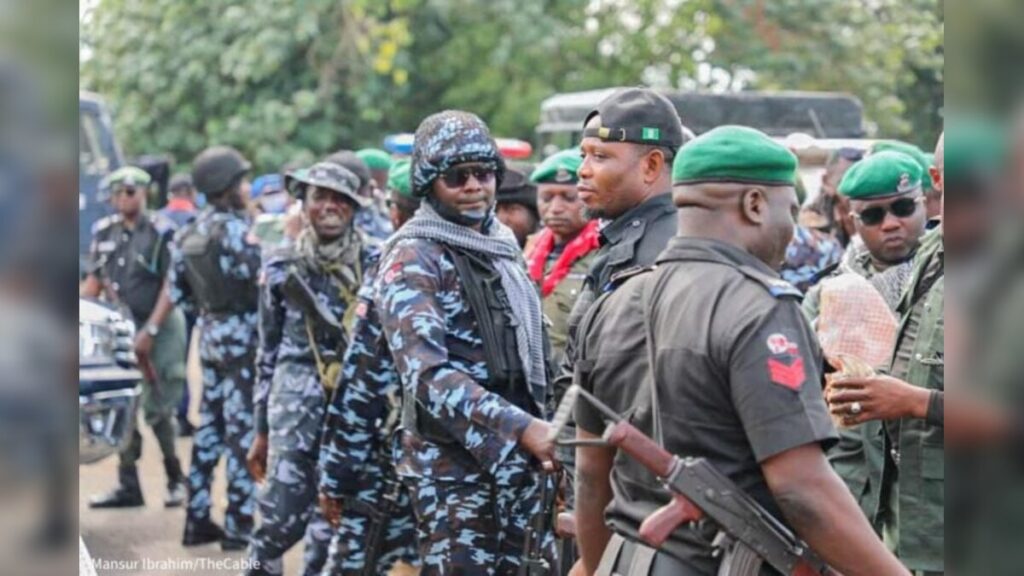
The leadership of the Federal Capital Territory Police Command has moved to calm fears among officers over the ongoing mental health and medical screening exercise taking place across the command in Abuja.
According to the Commissioner of Police, Ahmed Sanusi, the programme is designed strictly to improve the wellbeing of personnel and not to punish, shame, or single out anyone.
Speaking during the exercise on Friday, the police commissioner explained that the initiative focuses on understanding the physical and psychological condition of officers so medical professionals can provide the right guidance where necessary.
He noted that the police job comes with enormous stress, pressure, and emotional strain, making regular medical evaluation increasingly important.
Why the Police Command Introduced the Exercise
Sanusi explained that the assessment covers both physical health and mental wellness.
According to him, the command wants to understand the stress levels officers face daily while also identifying possible medical concerns before they become serious.
Police work in Nigeria often involves long working hours, exposure to violent incidents, public pressure, and operational risks.
Over the years, conversations around mental health within security agencies have remained limited despite growing concerns over stress-related conditions among officers.
The commissioner stated that the screening exercise would allow professionals to advise personnel properly on stress management, emotional balance, and medical care.
He also stressed that the programme would not end after one round of screening.
Instead, it would become a regular routine under his administration.
Routine Medical Checks May Become Permanent
One major highlight from the exercise is the command’s plan to institutionalise routine health assessments for officers.
Sanusi revealed that screenings could eventually take place every two months or quarterly depending on recommendations from medical experts.
According to him, medical conditions can develop unexpectedly, making continuous monitoring necessary.
He added that regular assessments would help the command detect health issues early and improve operational readiness across the force.
The police boss expressed satisfaction with the early results gathered from the exercise, noting that useful data was already being collected to help the command make better decisions regarding personnel welfare and planning.
Exercise Begins With Metro Area Command
The ongoing assessment reportedly started with officers serving under the Metro Area Command in Abuja.
However, the programme is expected to spread gradually to other divisions and area commands across the FCT.
The commissioner specifically mentioned locations such as Life Camp, Kubwa, and Kuje as part of the next phase of implementation.
This wider rollout suggests the command intends to make the exercise comprehensive rather than selective, ensuring that officers across different operational units benefit from the initiative.
Police Assure Officers Their Results Will Remain Private
One of the biggest concerns surrounding psychological evaluations is confidentiality.




Many officers often worry that mental health records could affect promotions, assignments, or public perception.
Addressing those fears directly, Sanusi assured personnel that every medical result would remain private and handled according to professional medical ethics.
He maintained that no officer would have access to another officer’s medical outcome, insisting the exercise is entirely personal and confidential.
The commissioner also said the command had already conducted sensitisation programmes to educate personnel on the true purpose of the screening.
According to him, the goal is support and wellness — not humiliation or punishment.
Officers Had Earlier Requested Free Medical Check-Ups
Interestingly, Sanusi disclosed that many officers had already approached area commanders requesting free health examinations before the initiative was officially launched.
That revelation highlights growing awareness among police personnel about the importance of healthcare and mental wellness.
In recent years, concerns have increased globally over stress, depression, trauma, and burnout among law enforcement officers.
Security experts have repeatedly argued that officers exposed to high-pressure situations require consistent psychological support to maintain sound judgement and professionalism.
Stress Management Now Part of Police Welfare
The commissioner further revealed that officers identified with stress-related concerns would receive counselling and education on managing pressure effectively.
Stress management training may include guidance on emotional control, rest patterns, coping mechanisms, and recognising signs of psychological exhaustion.
Mental health professionals have long warned that untreated stress among security personnel can contribute to aggression, poor decision-making, anxiety, and operational mistakes.
The initiative by the FCT Police Command appears aimed at reducing such risks while improving discipline and professionalism within the force.
Background to the Directive
The latest exercise follows an earlier directive issued on April 30 by the FCT commissioner ordering a comprehensive psychological and mental health evaluation for all police personnel in the command.
At the time, Sanusi explained that the directive formed part of broader reforms intended to strengthen operational efficiency, discipline, and professionalism among officers.
The move also aligns with increasing conversations worldwide about prioritising mental health within law enforcement agencies.
Impact and Consequences
The introduction of routine mental health assessments could significantly reshape welfare management within the Nigerian Police Force, especially if adopted nationwide.
First, it may help reduce stress-induced misconduct and improve emotional stability among officers.
Better mental wellness could also improve interactions between police officers and members of the public.
Second, the exercise may encourage more officers to seek medical assistance without fear of stigma, particularly in a profession where mental health conversations are often avoided.
However, some challenges could emerge.
Sustaining regular screenings across all commands would require funding, qualified professionals, and continuous trust-building among personnel.
If confidentiality is ever compromised, officers may become reluctant to participate fully.
What’s Next?
The FCT Command is expected to continue expanding the exercise to additional area commands in the coming weeks.
Authorities may also analyse the data collected to shape future welfare policies and stress-management programmes.
There is also the possibility that the initiative could influence similar reforms in other state police commands if the programme proves successful.
Experts believe continuous counselling, welfare support, and periodic health checks may eventually become an essential part of police administration in Nigeria.
Summary
The FCT Police Command has reassured officers that the ongoing mental health and medical screening exercise is confidential and designed purely for their wellbeing.
Commissioner of Police Ahmed Sanusi said the programme aims to monitor stress levels, improve healthcare support, and strengthen professionalism within the force.
The exercise, which began with the Metro Area Command, will extend to other commands across Abuja.
Police authorities also plan to make the screening routine, while officers diagnosed with stress-related challenges will receive counselling and stress-management support.
Bulleted Takeaways
- The FCT Police Command has begun mental health and medical assessments for officers.
- Commissioner Ahmed Sanusi says the exercise is confidential and non-punitive.
- Officers’ medical results will remain private under medical ethics guidelines.
- The programme focuses on stress evaluation, wellness, and professional support.
- Routine screenings may become bimonthly or quarterly in the FCT Command.
- The exercise started with the Metro Area Command and will extend to Kubwa, Kuje, and Life Camp.
- Officers identified with stress-related concerns will receive counselling and guidance.
- The initiative is part of broader efforts to improve discipline and operational efficiency within the police force.

