
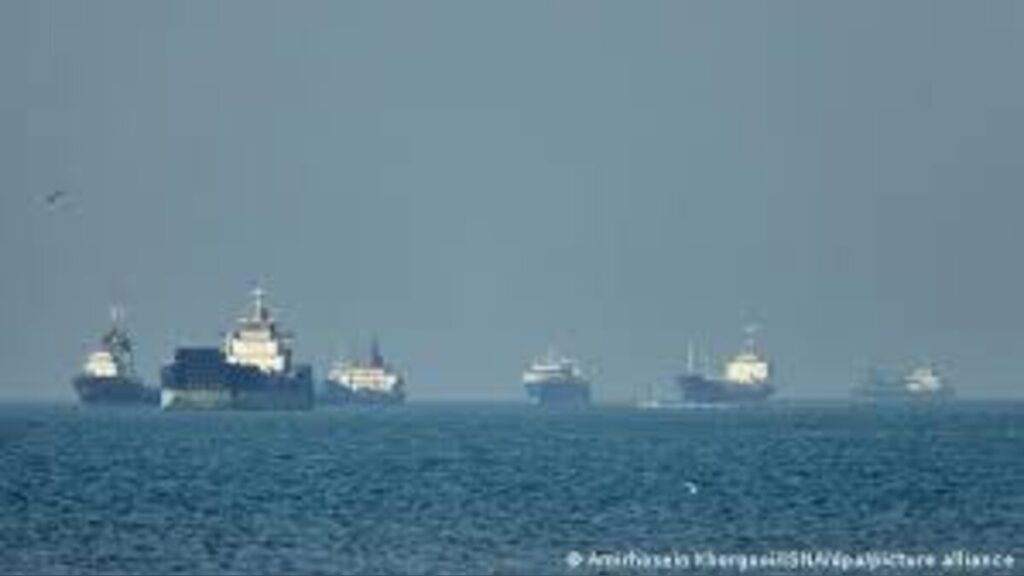
The fragile ceasefire tied to the Iran–US conflict is looking increasingly unstable after a new wave of missile and drone activity in the Gulf.
Tensions spiked again when the United Arab Emirates reported intercepting incoming aerial threats shortly after the United States claimed it had stopped attacks targeting three of its naval vessels near the Strait of Hormuz.
Despite the intensity of the situation, UAE authorities said there were no immediate reports of damage on their territory.
Still, the incident added another layer of anxiety to an already volatile regional standoff that has been dragging on since the war began earlier this year.
The wider conflict, which involves Iran, the United States, and Israel, continues to hover between uneasy restraint and sudden bursts of military action.
Strait of Hormuz Becomes the Center of Rising Pressure
At the heart of the escalation is the Strait of Hormuz, one of the world’s most critical oil transit routes.
Iran has reportedly been using pressure tactics around the waterway, while the US has maintained a heavy naval presence to protect shipping lanes.
The US Central Command confirmed that it intercepted what it called “unprovoked Iranian attacks” and responded with defensive strikes on Iranian military positions.
According to the US military, none of its vessels were hit during the exchange.
Iranian state media, meanwhile, reported exchanges of fire around Qeshm Island and described heightened defensive activity in western Tehran during the night, including loud explosions and sustained anti-aircraft responses.
The situation has turned the Strait into one of the most closely watched flashpoints in global security.
Diplomatic Talks Continue Even as Military Pressure Builds
Even with the exchange of fire, diplomatic channels have not fully collapsed.
Iran is reportedly reviewing new proposals delivered through Pakistan, which has been acting as a behind-the-scenes mediator between Washington and Tehran.
Pakistani officials say they remain in continuous contact with both sides, hoping to push toward a negotiated outcome that prevents a full return to large-scale war.
Foreign ministry spokesperson Tahir Andrabi said expectations remain cautiously optimistic, though no timeline has been confirmed.
Prime Minister Shehbaz Sharif also emphasized that Pakistan is maintaining “day and night” communication efforts to support de-escalation.
Trump Downplays Clashes as “Love Tap” Exchanges
US President Donald Trump has taken a noticeably relaxed public tone despite the renewed military activity.




Speaking to reporters, he described recent US retaliatory strikes on Iranian forces as a “love tap,” insisting that the ceasefire is still holding.
He suggested that a final agreement could be reached “any day,” but also warned that failure to sign a deal could lead to heavier consequences, including renewed bombing threats.
Trump also tied the dispute to broader energy concerns, particularly the resumption of oil and gas flows disrupted by the conflict.
UAE Responds as Regional Anxiety Spreads
The United Arab Emirates issued public safety guidance after intercepting missiles and drones, urging residents not to approach or document any debris from intercepted projectiles.
While no damage was reported, the advisory reflects growing concern that spillover from the Iran–US confrontation could extend beyond the immediate combat zones.
Security analysts note that Gulf states are increasingly vulnerable in conflicts involving the Strait of Hormuz, given their proximity to key maritime routes and military corridors.
Ceasefire Still Standing but Looking Fragile
The current ceasefire has technically been in place since April 8, but it has repeatedly been tested by limited strikes, interceptions, and retaliatory actions.
Earlier rounds of negotiations held with Pakistan as host failed to produce a final agreement, particularly on core issues such as Iran’s nuclear programme and control over strategic maritime routes.
Both Washington and its allies have repeatedly stated that Iran’s nuclear capabilities remain a central concern, while Iran has insisted on security guarantees and economic relief before any long-term deal can be finalized.
Broader Context Behind the Escalation
The conflict formally began on February 28 when coordinated US and Israeli strikes targeted Iranian positions.
Since then, the situation has shifted between active combat and temporary pauses, without a fully stable peace agreement.
Another major underlying issue remains Iran’s influence over regional shipping lanes and its ability to disrupt global energy flows.
The Strait of Hormuz alone carries a significant portion of the world’s oil supply, making it a strategic pressure point in any escalation scenario.
Impact and Consequences
The renewed clashes have increased uncertainty in global energy markets, especially given the strategic importance of the Strait of Hormuz.
Even limited disruptions in this corridor can affect oil prices worldwide.
Regionally, Gulf states like the UAE face heightened security risks as interception systems are increasingly tested by incoming drones and missiles.
Diplomatically, the situation complicates ongoing peace negotiations, making trust between negotiating parties even harder to maintain.
For global markets, the continued instability adds another layer of volatility at a time when energy supply chains are already under pressure from other geopolitical tensions.
What’s Next?
Diplomatic mediation is expected to continue through Pakistan, though progress remains slow and uncertain.
The US has signaled it is still open to a deal but maintains that military readiness will remain in place if negotiations fail.
Iran, meanwhile, is weighing proposals while continuing to signal that pressure tactics around strategic waterways will remain part of its negotiation leverage.
The most likely short-term scenario is continued low-level exchanges paired with ongoing diplomatic engagement, rather than a full return to large-scale warfare—though the risk of escalation remains present.
Summary
The Iran–US conflict remains in a fragile ceasefire phase, but recent missile and drone incidents in the Gulf have raised tensions again.
The UAE reported interceptions, while the US claimed it struck Iranian military targets after naval threats in the Strait of Hormuz.
Diplomatic efforts are still ongoing through Pakistan, but major disagreements over nuclear issues and maritime control remain unresolved.
Despite public optimism from US leadership, the situation remains unstable and prone to sudden escalation.
Bulleted Takeaways
- UAE intercepted missile and drone threats with no reported damage
- US said it stopped attacks on three Navy ships in the Strait of Hormuz
- US Central Command carried out retaliatory strikes on Iranian military sites
- Iran reported exchanges of fire near Qeshm Island and activity in Tehran
- Strait of Hormuz remains the central strategic flashpoint in the conflict
- Ceasefire between US and Iran has been in place since April 8 but remains fragile
- Pakistan is mediating ongoing diplomatic talks between both sides
- US President Donald Trump described recent strikes as a “love tap”
- No final agreement yet on Iran’s nuclear programme or maritime control issues
- Global energy markets remain vulnerable due to continued regional instability

