
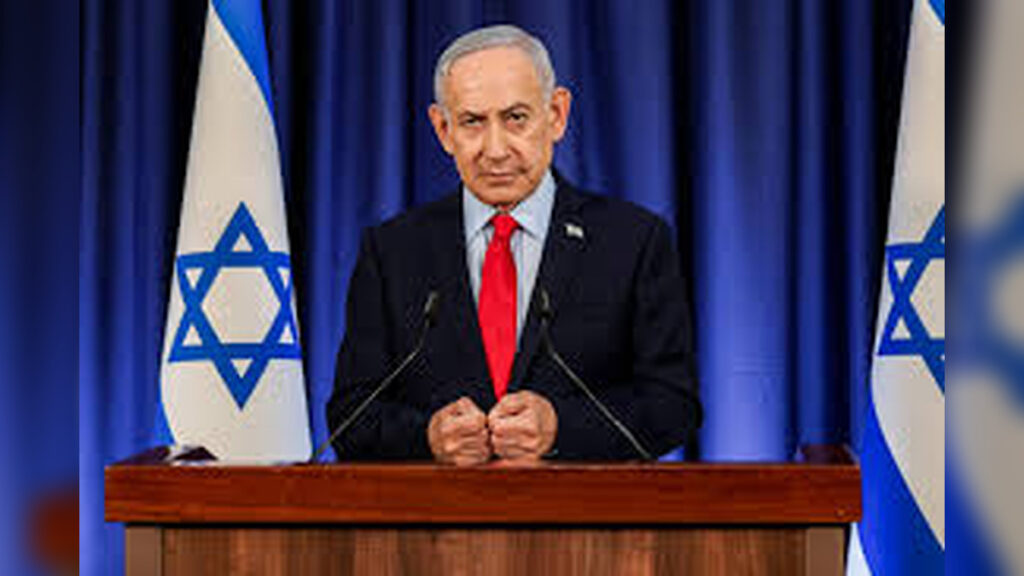
A fresh diplomatic clarification has come out of the United Arab Emirates, after reports circulated online suggesting Israeli Prime Minister Benjamin Netanyahu may have made a secret trip to the country during the ongoing tensions linked to the Iran conflict.
Officials in the UAE firmly denied the claim, describing it as inaccurate and not reflective of any real diplomatic activity between the two sides during the period in question.
The denial, first reported through AP News, comes amid a highly sensitive regional climate where even small rumours tend to spread quickly and gain political weight.
How the Rumour Started and Why It Spread Fast
The claim appeared to emerge from unverified social media posts and informal speculation tied to the broader escalation involving Israel and Iran.
In moments like this, information gaps tend to fill quickly with assumptions—especially when regional leaders are already under global scrutiny.
Because UAE-Israel relations have been historically significant since the Abraham Accords, even small hints of high-level movement tend to attract attention.
That backdrop made the rumour spread faster than usual, even without credible sourcing.
Officials, however, stressed that no such visit took place, and no secret diplomatic engagement of that nature occurred during the period referenced.
The Reality of UAE–Israel Relations in Context
Since normalising relations under the Abraham Accords in 2020, the United Arab Emirates and Israel have maintained open channels in trade, tourism, and limited diplomatic coordination.
Still, sensitive regional conflicts—particularly those involving Iran—remain tightly controlled topics.




Public visits by leaders like Benjamin Netanyahu are typically announced or carefully managed due to security and political implications.
That’s why the idea of a “secret visit” immediately raised eyebrows and prompted a swift official response.
Iran Conflict Adds Pressure to Information Environment
The broader backdrop to this story is the ongoing escalation often referred to as the Iran–Israel conflict, which has included regional tensions, military posturing, and diplomatic friction involving multiple countries.
In that environment, misinformation becomes more common.
Analysts have repeatedly noted that during periods of heightened tension, both state-linked and unofficial narratives can spread rapidly before being verified.
UAE officials appear to be trying to limit confusion early, likely to avoid unnecessary diplomatic speculation that could complicate already delicate regional dynamics.
Impact and Consequences
The denial may seem straightforward, but it carries wider implications for regional politics and information control.
Key consequences include:
- Reinforcing that UAE diplomatic activity remains tightly structured and publicly tracked
- Reducing space for speculation about covert leadership meetings during conflict periods
- Highlighting how quickly misinformation can spread during Middle East tensions
- Keeping official UAE-Israel relations transparent under the Abraham Accords framework
- Preventing escalation of rumours that could affect Iran-related diplomatic narratives
For leaders like Benjamin Netanyahu, even false claims of secret travel can create unnecessary diplomatic noise that requires immediate correction.
What’s Next?
For now, the UAE is expected to continue publicly denying any unverified claims tied to high-level diplomatic movement, especially those involving sensitive regional conflicts.
Observers will likely keep monitoring:
- Any confirmed diplomatic visits between UAE and Israeli officials
- Developments tied to the broader Iran–Israel regional situation
- How information spreads across social platforms during crisis periods
- Whether further clarifications are issued by either government
Given the volatility of the region, even minor rumours may continue to require rapid official responses.
Summary
The United Arab Emirates has denied reports suggesting that Benjamin Netanyahu secretly visited the country during the ongoing Iran-related conflict tensions.
Officials dismissed the claim as inaccurate, reinforcing that no such diplomatic trip occurred.
The clarification comes amid heightened regional sensitivity and increased misinformation risks.
Bulleted Takeaways
- UAE officially denies Netanyahu made a secret visit during Iran conflict period
- Claim originated from unverified online speculation
- UAE–Israel relations remain governed by Abraham Accords framework
- Regional tensions involving Iran increase misinformation risks
- No evidence supports reports of covert diplomatic travel
- Officials moved quickly to prevent escalation of false narratives
- Situation highlights sensitivity of Middle East geopolitical communication
- Transparency remains key in UAE foreign policy messaging

