
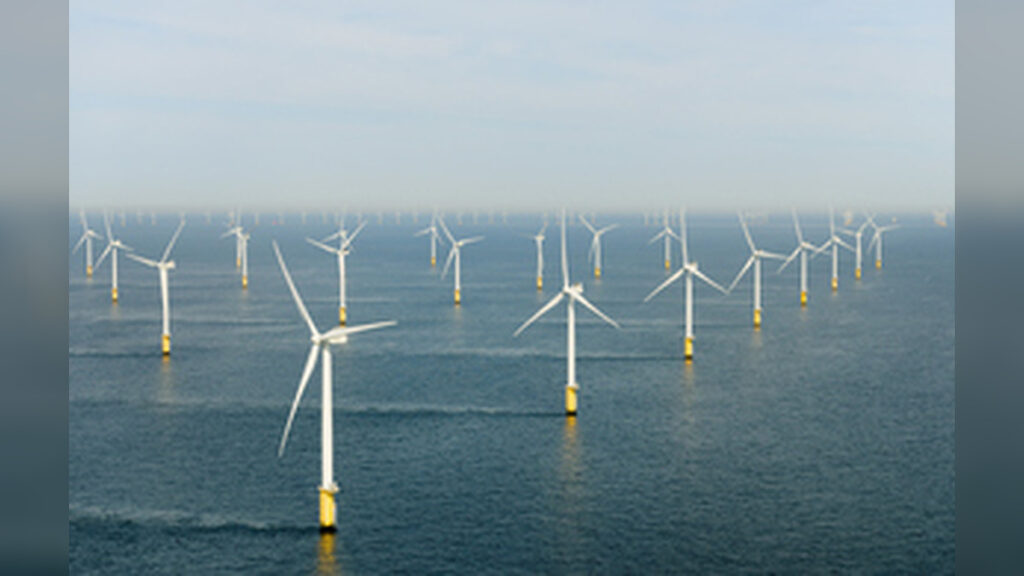
New rules taking effect today, Thursday 21 May, are expected to make it easier for offshore wind developers to build clean energy projects while still addressing damage to protected marine sites.
Wider Environmental Compensation Options Introduced
The reforms expand the types of compensation developers can offer when offshore wind projects have unavoidable environmental impacts. Previously, companies were restricted in the measures they could use.
Under the new system, developers may support actions such as protecting seabird nesting areas, reducing predators near vulnerable colonies, or helping restore native oyster populations.
Ministers Say Clean Power And Nature Protection Can Work Together
Marine Minister Emma Hardy said offshore wind is central to Britain’s energy security and climate goals. She said the reforms would allow the country to build clean energy infrastructure while creating long-term benefits for nature.
Energy Minister Michael Shanks said the changes would help the UK move faster toward homegrown clean power and reduce dependence on fossil fuels.




Industry Welcomes The Changes
RenewableUK said the reforms would reduce delays, give developers more certainty, and help offshore wind projects move forward more quickly.
The Offshore Wind Industry Council also backed the reforms, saying the new approach is not about weakening environmental standards but making compensation more effective and strategic.
Impact and Consequences
The reforms could accelerate offshore wind construction across Britain, supporting the government’s clean power target for 2030. They may also reshape how environmental damage is handled by allowing broader, more targeted conservation work.
For marine habitats and wildlife, the government says the changes could deliver stronger long-term benefits if compensation is properly chosen, monitored, and enforced.
What’s next?
Developers will now follow newly published guidance explaining how the compensation system works, how measures should be selected, and how they will be monitored over time.
The reforms amend existing habitat and offshore marine conservation regulations.
Summary
Britain has introduced new offshore wind reforms designed to speed up clean energy projects while expanding environmental compensation options. Ministers and industry leaders say the changes will help deliver clean power by 2030 without abandoning marine protection commitments.
Bulleted Takeaways:
- New offshore wind reforms take effect on Thursday 21 May.
- Developers can now use a wider range of environmental compensation measures.
- Possible actions include seabird protection, predator control, and oyster restoration.
- Ministers say the reforms support clean energy and nature recovery.
- Industry groups say the changes will reduce delays and improve certainty.
- The reforms support Britain’s clean power ambitions for 2030.
