
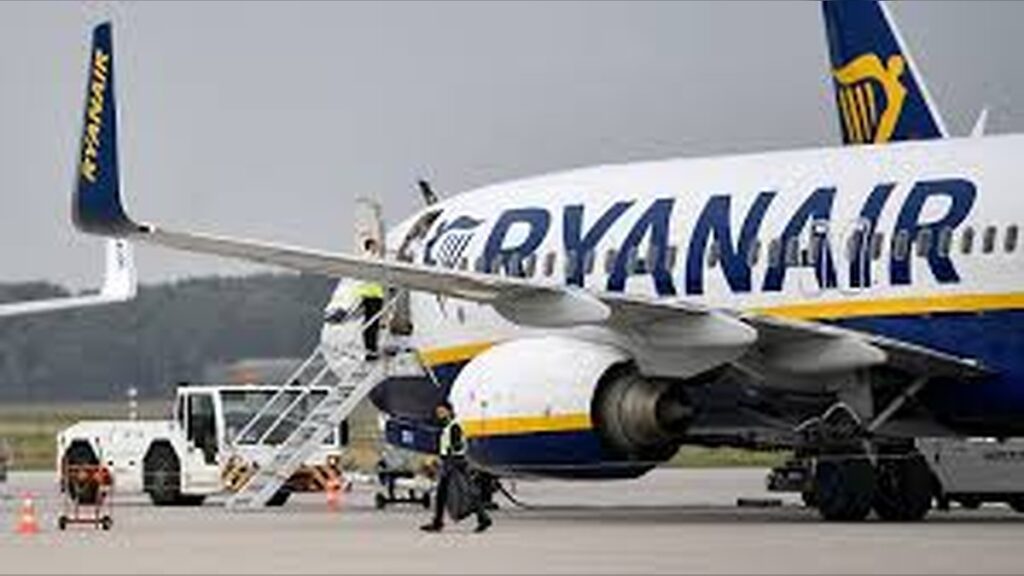
The global aviation industry is facing one of its most difficult fuel-related periods in years, but Irish low-cost giant Ryanair appears determined to stay ahead of the storm.
While airlines across Europe and North America struggle with rising operating costs, route cuts, and financial pressure, Ryanair says it remains in a strong position thanks to long-term fuel planning and aggressive hedging policies.
The current crisis has largely been driven by instability in the Middle East, especially disruptions linked to tensions around the Strait of Hormuz, one of the world’s most important oil shipping routes.
As fuel prices climbed sharply, airlines that failed to lock in cheaper fuel rates early suddenly found themselves exposed to soaring costs.
For many carriers, that exposure has become a serious financial problem.
Why Ryanair Believes It Can Survive the Crisis
Ryanair CEO Michael O’Leary has repeatedly projected confidence despite growing uncertainty in the aviation sector.
According to the airline, a major reason for that confidence is its fuel hedging strategy.
Fuel hedging allows airlines to buy future fuel supplies at pre-agreed prices instead of relying entirely on volatile market rates.
It may sound like a technical accounting move, but during a global fuel shock, it can determine whether an airline stays profitable or begins losing money quickly.
Ryanair revealed that a significant portion of its fuel supply for 2026 had already been secured at lower prices before the recent market surge.
Reports indicate the company locked in roughly 75 to 82 percent of its fuel at rates far below current market levels.
That gives the airline breathing space while competitors scramble to absorb higher costs.
Rising Fuel Prices Have Put Smaller Airlines Under Pressure
Ryanair’s finance chief, Neil Sorahan, recently warned that weaker airlines could face collapse if fuel prices remain elevated throughout the year.
He pointed to the recent struggles of budget operators in the United States and suggested that some European airlines could also fail during the winter period if they remain unhedged and unprofitable.
The warning reflects growing fears across the aviation sector.
Fuel is one of the largest expenses for any airline, often accounting for around 25 to 35 percent of total operating costs.
When prices double within weeks, profit margins can disappear almost overnight.
Several airlines globally have already reduced routes, delayed fleet expansion plans, or reviewed ticket pricing strategies as pressure mounts.
The Strait of Hormuz Crisis Continues to Affect Global Aviation
Much of the current uncertainty centers on the Strait of Hormuz, a narrow but critical shipping route through which a large share of the world’s oil exports travel.
Disruptions in the region have forced countries and energy suppliers to seek alternative fuel sources.
This has created supply chain complications and driven up the cost of refined jet fuel internationally.
Although Europe has managed to secure additional supplies from regions including West Africa, Norway, and the Americas, airline executives remain cautious about what could happen if tensions escalate further.




O’Leary himself admitted that supply disruptions remain a concern if the conflict continues for an extended period.
Ryanair Says Customers Will Not Face Fuel Surcharges
One of Ryanair’s biggest promises during the crisis has been its refusal to introduce fuel surcharge fees for passengers.
The airline says travelers will not suddenly face additional charges after booking flights, even if fuel prices continue rising during the summer travel season.
That reassurance matters because many travelers still remember periods in the past when airlines added unexpected fuel levies during oil price spikes.
Ryanair insists its conservative hedging policy allows it to avoid passing the immediate burden directly onto passengers.
At the same time, the company says it will continue using its long-standing strategy of maximizing passenger numbers while keeping fares competitive.
Jet2, TUI and EasyJet Also Move to Calm Travelers
Ryanair is not the only company attempting to reassure customers.
Jet2 recently stated that it remains confident about fuel availability and plans to operate its summer schedule normally.
CEO Steve Heapy said the company remains in close contact with fuel suppliers and sees stable supply conditions ahead.
Meanwhile, TUI has also promised customers that booked holiday prices will remain fixed without extra fuel charges.
easyJet confirmed that travelers will not face post-booking fuel surcharges either, while online travel agency loveholidays announced it would absorb retrospective airline fuel surcharges instead of passing them on to customers.
These moves appear aimed at maintaining consumer confidence during a period when economic uncertainty is already affecting travel demand.
Airlines Are Preparing for a Difficult Long-Term Outlook
Despite current reassurances, industry analysts believe airlines could face tougher conditions beyond 2026.
Ryanair itself appears more cautious about future years.
While much of its near-term fuel is hedged, protection levels reportedly decline sharply by 2027.
The airline is said to be waiting for oil prices to fall before locking in additional long-term deals.
That strategy could pay off if oil prices stabilize, but it also leaves the company more exposed if geopolitical tensions worsen again.
The broader aviation industry faces a difficult balancing act between maintaining affordable ticket prices and protecting profitability.
Impact and Consequences
The ongoing jet fuel crisis is already creating ripple effects across the global travel sector.
Airfares in several markets have become more unpredictable, while airlines with weaker financial positions may struggle to survive prolonged fuel volatility.
Industry experts warn that if oil prices remain high for an extended period, more carriers could reduce flights, freeze recruitment, or even shut down entirely.
Travelers may also face indirect consequences such as reduced route availability, tighter seating capacity, and fewer promotional fares.
For airlines that successfully hedged fuel early, however, the crisis could create an opportunity to gain market share while rivals struggle financially.
Ryanair, in particular, may strengthen its dominance in Europe if smaller competitors fail to cope with rising costs.
What’s Next?
Much now depends on developments in the Middle East and the future of global oil supplies.
If tensions ease and the Strait of Hormuz returns to normal operations, fuel prices could stabilize and pressure on airlines may gradually reduce.
That would provide relief for both carriers and travelers heading into future holiday seasons.
However, if disruptions continue, airlines may eventually be forced to rethink pricing strategies, flight schedules, and expansion plans.
Investors and analysts will also be watching whether Ryanair’s confidence proves justified over the longer term, especially as its future fuel hedging coverage declines after 2026.
The next few months could determine which airlines emerge stronger — and which ones fail to survive the turbulence.
Summary
Ryanair has positioned itself as one of the better-prepared airlines during the ongoing global jet fuel crisis.
By securing large portions of its fuel supply at lower prices through hedging, the airline believes it can avoid the severe financial strain affecting many competitors.
While uncertainty surrounding Middle East tensions and global oil supplies continues, Ryanair and several other major travel companies are attempting to reassure passengers by promising no surprise fuel surcharges.
Still, the aviation industry remains vulnerable to further fuel price shocks, and the coming years may test even the strongest airlines.
Bulleted Takeaways:
- Ryanair says its fuel hedging strategy has helped protect it from soaring jet fuel prices.
- Global fuel disruption has been linked to instability around the Strait of Hormuz.
- Several airlines worldwide are facing financial pressure due to rising operating costs.
- Ryanair claims passengers will not face additional fuel surcharges this summer.
- Jet2, easyJet, and TUI have also reassured customers over pricing stability.
- Analysts warn weaker airlines could struggle or collapse if fuel prices remain elevated.

