
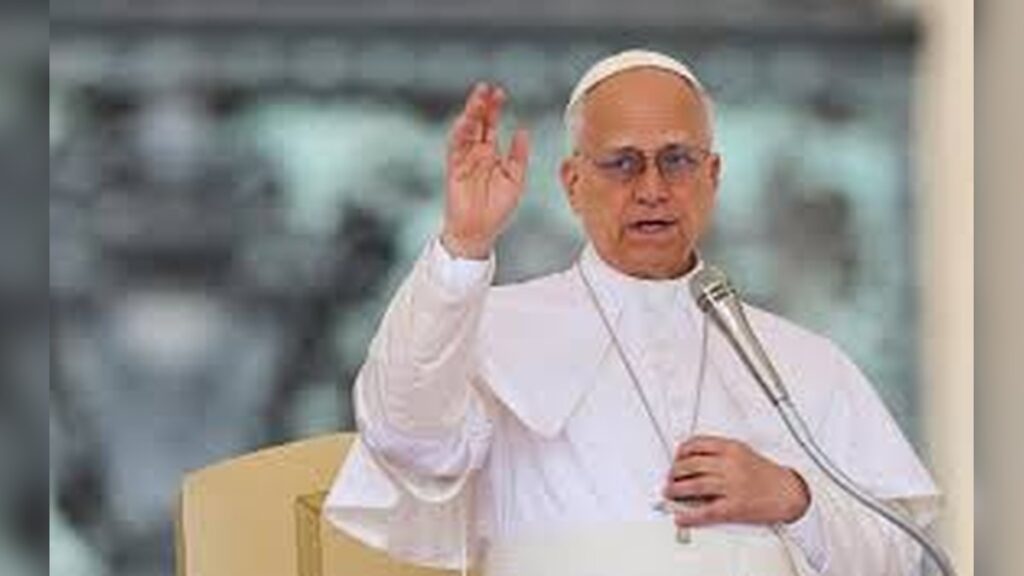
The Vatican has formally entered the global conversation on artificial intelligence, with Pope Francis establishing a dedicated study group to examine how rapidly advancing technology is reshaping society, ethics, and human dignity.
The move comes as the Church prepares for what is expected to be the Pope’s first encyclical addressing AI, signaling that the issue is now being treated as a major moral and philosophical challenge alongside traditional topics like poverty, war, and climate change.
A Growing Concern Over Technology and Human Values
Inside the Vatican, there has been increasing discussion about how AI tools—from generative chat systems to automated decision-making—could influence employment, education, misinformation, and human relationships.
Church officials have repeatedly emphasized that technology should serve humanity rather than replace human judgment.
The new study group is expected to gather theologians, ethicists, scientists, and policy experts to assess both risks and opportunities.
While the Vatican has engaged with science and technology before, the speed of AI development has pushed the issue to the forefront in a way few previous innovations have.
Pope Francis and His Focus on Ethical Technology
Pope Francis has already spoken several times about artificial intelligence, warning that it must be developed responsibly and never allowed to undermine human dignity or deepen inequality.
His upcoming encyclical is expected to expand on these concerns in detail, possibly outlining moral guidelines for governments, corporations, and researchers working in AI fields.
The formation of a study group suggests the document will be grounded in wide consultation, reflecting both theological perspectives and modern technical expertise.
The Vatican’s History of Engaging With Science
Although often seen primarily as a religious institution, the Vatican has a long history of engaging with scientific development.




It operates research observatories and has previously issued guidance on issues such as bioethics, climate change, and genetic engineering.
In that sense, the AI initiative follows a familiar pattern: the Church responding to major scientific shifts by attempting to define ethical boundaries rather than reject innovation outright.
Other religious and global institutions have also begun issuing statements on AI governance, but the Vatican’s influence in moral and diplomatic discussions gives its position particular weight.
Global Context: Why AI Has Become a Moral Issue
The Vatican’s move reflects a broader global trend.
Governments, universities, and international organizations are increasingly debating how AI should be regulated.
Concerns include job displacement, bias in algorithmic decision-making, deepfakes, and the concentration of technological power in a small number of corporations.
The United Nations and the European Union have both begun drafting frameworks aimed at regulating AI use, but there is still no single global standard.
Impact and Consequences
The Vatican’s involvement could add moral pressure to ongoing global debates about AI regulation.
Even though it does not have legislative power, its statements often influence public opinion, especially among Catholic communities worldwide.
By framing AI as an ethical issue tied to human dignity, the Church may push policymakers to consider not just technical safety but also social fairness and long-term human impact.
Tech companies may also face increased scrutiny as religious and ethical voices join calls for transparency and accountability in AI development.
What’s next?
The newly formed study group is expected to begin consultations with experts in technology, ethics, and theology before the Pope releases his encyclical.
That document could become one of the most significant religious statements on artificial intelligence to date, potentially shaping how faith-based institutions respond to emerging technologies.
Further Vatican commentary is likely to follow, especially as AI continues to evolve rapidly and new regulatory frameworks are debated globally.
Summary
The Vatican has created a study group on artificial intelligence as Pope Francis prepares an encyclical on the subject.
The initiative reflects growing concern about the ethical and social impact of AI, positioning the Church as a moral voice in global discussions about emerging technology.
Bulleted Takeaways
- Vatican forms new study group focused on artificial intelligence
- Pope Francis preparing first encyclical on AI ethics
- Church aims to address risks like inequality, misinformation, and job displacement
- Vatican has a history of engaging with science and ethical debates
- AI is increasingly viewed globally as a moral and governance issue
- UN and EU are also developing AI regulatory frameworks
- Vatican influence may shape public and ethical discussions worldwide
- Study group will consult experts before final papal document is released

