
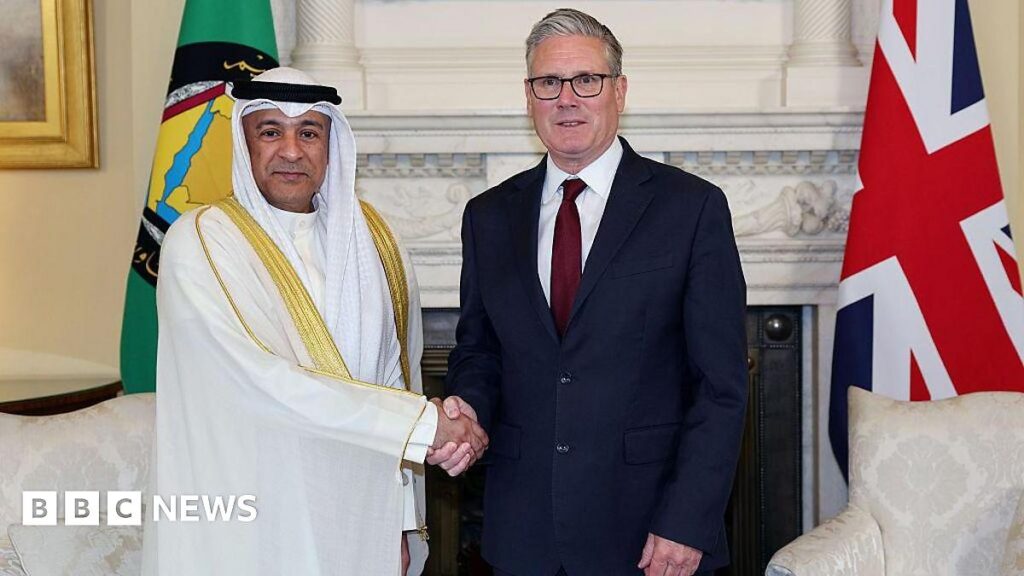
A major trade agreement is set to reshape the flow of goods from the United Kingdom, with an estimated £580 million worth of tariffs expected to be removed from British exports.
The move is being framed by officials as a win for businesses struggling with post-Brexit trade costs, but it has also sparked criticism from rights organisations who argue the wider implications have not been properly examined.
The decision touches multiple sectors, from manufacturing to agriculture, where exporters have long complained that tariff barriers were eating into competitiveness abroad.
A Relief for Exporters Feeling the Pressure
For many companies in United Kingdom, tariffs have acted like an invisible tax on growth.
Small and mid-sized exporters, in particular, have often found themselves priced out of international markets simply because their goods became too expensive once duties were added.
Supporters of the deal say removing these costs could restore lost opportunities, helping British products move more freely and competitively across borders.
Industries such as automotive parts, food production, and advanced manufacturing are expected to be among the biggest beneficiaries.
There is also an expectation that lower trade friction could encourage investment back into export-heavy regions of the UK.
Why Rights Groups Are Raising Concerns
Despite the economic optimism, rights organisations have voiced unease.
Their concern is not necessarily about the removal of tariffs itself, but about the conditions attached to parts of the broader trade framework.



Some groups argue that trade agreements like this can sometimes overlook labour protections, environmental safeguards, or supply chain accountability in the push for faster market access.
Others worry that in the pursuit of tariff reductions, governments may become less strict about enforcement of standards in partner countries, creating uneven competition or ethical blind spots in global trade.
How This Fits Into a Bigger Trade Picture
The £580 million figure is significant, but it also reflects a wider shift in global trade policy.
Countries are increasingly using bilateral agreements to reduce friction after years of disrupted supply chains, inflation pressures, and geopolitical uncertainty.
For the UK, this deal fits into an ongoing strategy of diversifying trade relationships following its exit from the European Union.
Policymakers have been actively seeking agreements that open new markets while reducing dependency on traditional trading blocs.
At the same time, critics argue that the long-term benefits depend heavily on how well such deals are enforced and whether small businesses can realistically access the opportunities they promise.
Impact and Consequences
- British exporters could see immediate cost savings due to the removal of £580 million in tariffs
- Increased competitiveness for UK goods in international markets
- Potential boost for manufacturing and agriculture sectors
- Possible pressure on governments to ensure strong labour and environmental safeguards remain in place
- Debate likely to intensify over the balance between free trade and ethical regulation
- Small businesses may benefit, but only if administrative trade barriers are also reduced
What’s Next?
The next phase will focus on implementation, as governments work through the technical details of how tariff removal will be applied across different product categories.
Businesses will be watching closely to see how quickly savings translate into real-world price adjustments and new export contracts.
There may also be follow-up negotiations to address the concerns raised by rights groups, particularly around enforcement standards and transparency requirements.
If successful, this agreement could serve as a template for future trade deals involving the UK, especially as it continues to expand its post-Brexit trade network.
Summary
The removal of £580 million in tariffs marks a potentially important shift for British exporters, offering relief at a time when global trade remains uncertain.
However, the agreement is not without controversy, as rights groups caution that economic gains must not come at the expense of ethical safeguards.
The final impact will depend on how effectively the deal is implemented and regulated in practice.
Bulleted Takeaways
- £580 million worth of tariffs will be removed from British exports
- The United Kingdom stands to gain improved access to international markets
- Exporters in manufacturing, agriculture, and industry may benefit most
- Rights groups warn about possible gaps in labour and environmental protections
- The deal reflects broader post-Brexit trade diversification efforts
- Success depends on how implementation and enforcement are handled going forward
- Massive prison raid uncovers contraband stash as officers seize drugs weapons and phones at Joyceville Institution Ontario Canada
- RAF Rivet Joint surveillance aircraft exposes rising tension near Russian airspace during routine international flight operation
- Baroness Chapman urges global leaders to sign development Compact as Woolwich Works conference opens in London with call for urgent partnership reform
- Spanish police arrest Jonathan Andic in Barcelona as investigators probe Mango founder Isak Andic death in Montserrat mountain fall case
- Russian defense ministry claims Ukrainian drones strike multiple regions as air defenses intercept hundreds across Russia overnight
- Labour members reject Wes Streeting leadership gamble in London poll as Keir Starmer survives internal challenge pressure
- Bystander rescues 79-year-old man from drowning but fails to save victim at The Point Mossel Bay coastline South Africa tragedy unfolds
- Homes England delivers record housing completions in England as government agency boosts construction starts and land supply across the United Kingdom
- Security seals store and crowd storms Swatch watch release in London as Royal Pop frenzy disrupts shopping mall order in Westfield White City
- Conservatives debate strategy as Tory MPs urge Reform UK alliance in Makerfield by-election contest in Greater Manchester
- British Airways demands Heathrow Airport pays £10 million compensation after Terminal 5 baggage system failure disrupts London travel chaos
- Two Gunmen Open Fire at Islamic Center of San Diego as Security Guard Is Killed in Clairemont Mosque Attack

