
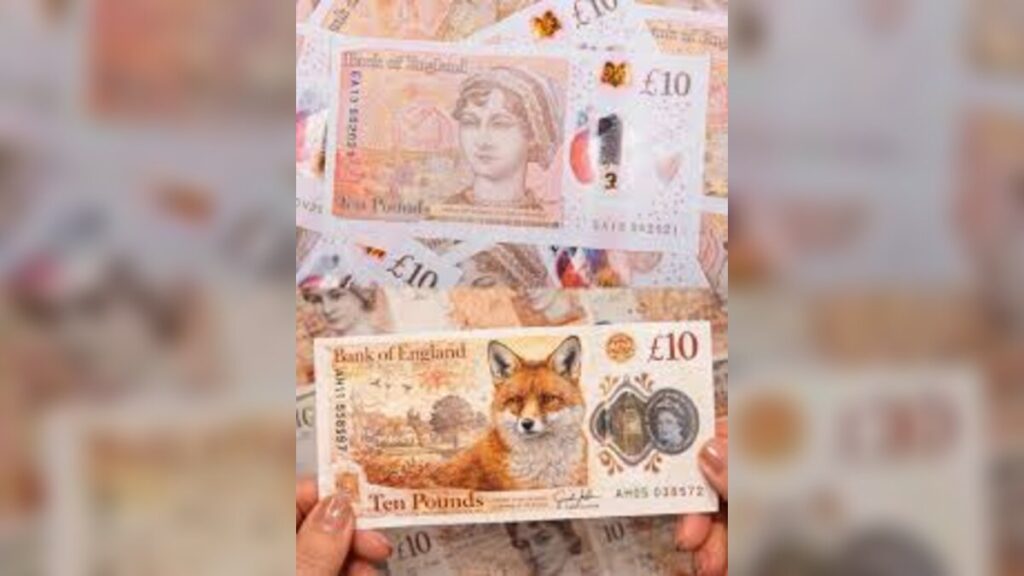
The Bank of England’s decision to move toward a wildlife-themed redesign for future banknotes has stirred both excitement and controversy.
While the official announcement confirmed that nature will dominate the next series of currency designs, newly released public consultation data shows just how varied—and sometimes unexpected—the public’s preferences really are.
The consultation revealed a mix of cultural icons, historical figures, and national symbols that people believed deserved a place on Britain’s cash.
Public Submissions Reveal Familiar Faces and British Icons
Among the most frequently suggested names were broadcaster and naturalist Sir David Attenborough, children’s favourite Paddington Bear, and wartime leader Winston Churchill.
Churchill, who already appears on the £5 note, ranked surprisingly high again in public submissions, reflecting his continued symbolic status in British history.
Also featured prominently was Sir David Attenborough, who is approaching his 100th birthday and remains one of the UK’s most recognisable environmental voices.
Even fictional and cultural icons made the list, with Paddington Bear and institutions like guide dogs and the NHS receiving strong public support.
Wildlife Theme Dominates the Debate
Despite the wide range of suggestions, nature overwhelmingly came out on top.
According to the consultation results, around 60% of respondents selected wildlife as one of their preferred themes.
More than 1,000 separate entries supported animal-related ideas, making it the most dominant category overall.
Proposed imagery included national parks, British birds, flowers, and even symbolic landscapes like the Sycamore Gap tree, which was illegally cut down in 2023.




Political Pushback Over Design Direction
The shift away from historical figures has triggered political debate.
Reform UK leader Nigel Farage criticised the decision, describing it as overly “politically correct” and arguing that replacing figures like Churchill with animals was misguided.
Similarly, Conservative leader Kemi Badenoch argued that removing historical figures from currency risks “erasing national history.”
She even suggested that figures like Margaret Thatcher would be more appropriate choices for future notes.
Bank of England Defends the Decision
The Bank of England has defended the direction, explaining that the redesign is not just symbolic but also practical.
Victoria Cleland, the Bank’s chief cashier, noted that new designs are primarily intended to improve security against counterfeiting.
At the same time, she emphasised that banknotes also serve as a reflection of national identity.
The current currency already features a mix of historical figures, including Jane Austen on the £10 note, J.M.W. Turner on the £20 note, and Alan Turing on the £50 note, alongside the monarch.
Public Consultation Shapes the Future Notes
The Bank’s consultation process attracted more than 44,000 responses.
Participants were asked to choose from themes such as architecture, innovation, arts, sport, and notable historical figures.
Nature emerged as the clear winner, followed by categories like UK identity, historical events, and science and technology.
A second consultation is expected later, where the public will help decide which specific wildlife species will appear on the final designs.
Impact and Consequences
The decision to move toward wildlife-themed banknotes carries several broader effects:
- Cultural shift in national symbolism: Moving from human figures to nature represents a major redesign philosophy change.
- Political division: The move has intensified debate about national identity and historical representation.
- Public engagement boost: High participation shows strong public interest in currency design.
- Design modernization: Offers opportunity to improve anti-counterfeiting technology alongside visual redesign.
- Heritage concerns: Critics argue historical figures risk being sidelined in public memory.
What’s Next?
- The Bank of England will hold another consultation to decide which animals will appear on the notes.
- Designers will begin refining final visual concepts based on public feedback.
- A rollout timeline for the new banknote series is expected after final approvals.
- Further debate is likely as the design phase progresses and specific figures are confirmed or excluded.
Summary
The Bank of England’s wildlife-themed banknote plan has opened a national conversation about what Britain chooses to celebrate.
While nature leads the way, the public’s submissions show strong emotional attachment to historical figures and cultural icons.
The final design will likely attempt to balance security, identity, and symbolism.
Bulleted Takeaways
- Wildlife is the most popular theme for new UK banknotes
- Public submissions also included Churchill, Attenborough, and Paddington Bear
- Nigel Farage and Kemi Badenoch criticised the removal of historical figures
- Over 44,000 people participated in the consultation
- The Bank of England says redesign improves anti-counterfeiting measures
- A second consultation will decide which animals appear on notes
- Current notes feature Austen, Turner, Turing, and the monarch
- Final designs will reflect both security needs and national identityf

