
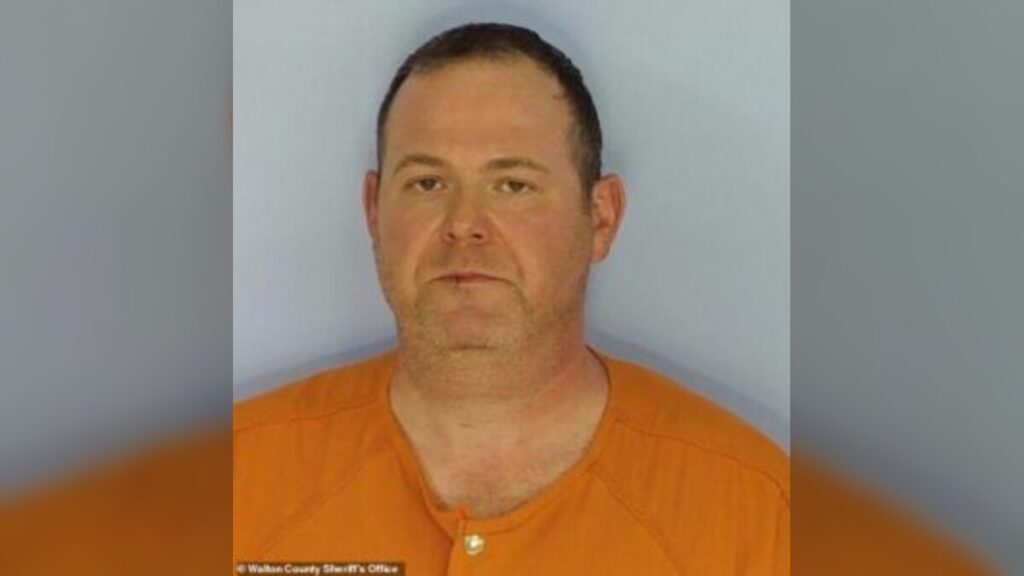
It started like any ordinary trip booked through Lyft—a driver picks up passengers, a short journey ahead, nothing unusual.
But for two riders in Florida, that calm ride quickly spiraled into something out of a crime drama.
Their driver, later identified as Dr. Thomas Shaknovsky, was suddenly pulled over by authorities.
Within moments, he was handcuffed and pressed against his own vehicle, leaving the stunned passengers trying to process what they had just witnessed.
What they didn’t know at the time was that their driver had been charged in connection with a fatal surgical error—one that would soon draw national attention.
The Medical Case at the Center of It All
At the heart of the arrest is the death of William Bryan, a 70-year-old man who underwent surgery in August 2024.
What was expected to be a spleen removal turned into a catastrophic mistake.
Authorities allege that instead of removing the spleen, Dr. Shaknovsky mistakenly removed the patient’s liver—an error that proved fatal.
The distinction is not minor; medically, the liver and spleen differ significantly in both function and location.
Removing the wrong organ is considered an extreme deviation from accepted surgical standards.
The charge brought against the doctor—second-degree manslaughter—reflects the seriousness of that alleged mistake.
What Happened Inside the Operating Room
Details from the procedure paint a troubling picture.
According to reports, the surgery began as a minimally invasive operation but quickly escalated into a more complex open procedure.
Staff present reportedly raised concerns about the doctor’s capability even before the operation began.
During surgery, complications mounted rapidly—severe bleeding, a ruptured abdominal area, and a frantic attempt by medical staff to stabilize the patient.
Despite the worsening situation, Dr. Shaknovsky allegedly continued the procedure and ultimately removed what he believed to be the spleen. It was later confirmed to be the liver.




An autopsy contradicted the doctor’s explanation that a ruptured spleen aneurysm caused the bleeding, further intensifying scrutiny around his actions.
Mounting Concerns Before the Tragedy
This wasn’t a situation that unfolded entirely without warning.
According to health authorities, colleagues had already questioned whether the surgeon had the necessary expertise to perform such a delicate procedure.
Joseph Ladapo, Florida’s surgeon general, moved to suspend Shaknovsky’s medical license about a month after the incident.
The decision signaled that regulators believed there was enough concern to immediately halt his ability to practice.
Additionally, the hospital where the surgery took place clarified that the doctor was not a direct employee, highlighting the complexities of credentialing and oversight in modern healthcare systems.
From Operating Room to Rideshare Driver
In a twist that feels almost surreal, Dr. Shaknovsky had reportedly been working as a rideshare driver for over a year before his arrest.
Using his middle name, he maintained a strong rating on the platform—something that made the arrest even more unexpected for passengers.
Following the incident, Lyft confirmed that he was removed from the platform.
The contrast between his professional background and his side job raises questions about accountability, financial pressure, and what happens to professionals after their licenses are suspended.
A Family Left in Grief
For the victim’s family, the story is far more personal than headlines and legal charges.
Beverly Bryan, who waited in a hospital chapel during her husband’s surgery, has spoken about the devastating loss.
She described the moment she learned her husband would not survive as something she never imagined possible.
The family has since filed a civil lawsuit seeking damages and accountability, with their legal team emphasizing that no family should endure such a tragedy due to alleged medical negligence.
Impact and Consequences
This case has ripple effects that go far beyond one operating room:
- Medical Accountability: It raises serious concerns about how surgeons are vetted and monitored, especially for complex procedures.
- Hospital Oversight: Questions linger about whether warning signs from staff were adequately addressed.
- Public Trust: Incidents like this can erode confidence in healthcare systems, particularly in surgical care.
- Legal Precedent: A conviction could reinforce stricter consequences for extreme medical negligence.
It also highlights a broader issue—how rare but severe medical errors can reshape policies and professional standards.
What’s Next?
Dr. Shaknovsky has pleaded not guilty and is expected to appear in court in Walton County.
If convicted, he could face up to 15 years in prison.
The legal process will likely involve:
- Detailed expert testimony on surgical standards
- Examination of hospital protocols
- Review of autopsy findings versus the surgeon’s account
Meanwhile, the civil lawsuit filed by the Bryan family will proceed on a separate track, potentially uncovering additional details about what happened behind the scenes.
Summary
A routine surgery turned fatal, a doctor’s career unraveled, and an unexpected arrest during a rideshare trip brought the case into public view.
What makes this story stand out is not just the alleged error, but the chain of warnings, decisions, and consequences that followed.
At its core, it’s a case about responsibility—medical, legal, and human.
Bulleted Takeaways
- A Florida doctor was arrested while working as a Lyft driver in front of passengers
- He is accused of removing a patient’s liver instead of the spleen during surgery
- The patient, William Bryan, died due to complications during the procedure
- Concerns about the doctor’s skill level were reportedly raised before surgery
- His medical license was suspended after the incident
- He faces a second-degree manslaughter charge and up to 15 years in prison
- The victim’s family has filed a civil lawsuit seeking justice
- The case raises serious questions about medical oversight and patient safety

