
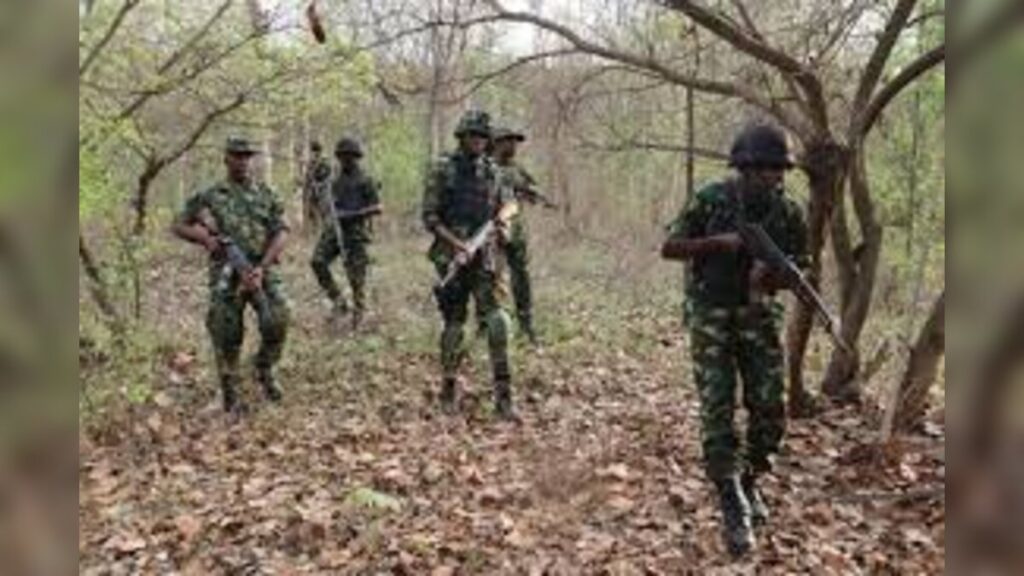
A major overnight attack by suspected fighters linked to the Islamic State West Africa Province, commonly known as ISWAP, ended in heavy losses for the insurgents after Nigerian troops stationed in Yobe State fought back in a fierce gun battle that lasted for hours.
Military authorities said soldiers under Operation HADIN KAI successfully defended the Headquarters of the 27 Brigade in Buni Gari after dozens of armed terrorists attempted to overrun the military formation under the cover of darkness.
According to the military, at least 50 suspected terrorists were killed during the coordinated operation involving both ground forces and air support.
How the Attack Unfolded
The assault reportedly began around 2 a.m. when the insurgents launched simultaneous attacks from different directions targeting the brigade headquarters and a nearby military checkpoint in Buni Gari.
Military sources explained that the attackers initially pushed from the western flank before additional fighters advanced through the southern axis around Ganinga Junction.
The terrorists later tried to surround troops from the south-western side in what appeared to be a carefully planned encirclement strategy.
However, soldiers stationed at the base reportedly responded with intense firepower and defensive tactics that halted the advance before the attackers could breach the facility.
The Nigerian Army stated that troops maintained control of the formation throughout the encounter despite the scale of the assault.
Air Support Played a Critical Role
One of the defining features of the operation was the close coordination between troops on the ground and the Air Component of Operation HADIN KAI.
Military officials said surveillance aircraft monitored terrorist movements while fighter aircraft carried out targeted airstrikes on identified positions and escape routes used by the insurgents.
The air interdiction missions reportedly killed additional fighters as retreating terrorists attempted to flee through nearby corridors leading toward Gashua, Azare, and Kamuya.
Security officials also revealed that intelligence gathered after the battle indicated more bodies were discovered along bush paths used by the fleeing insurgents.
Weapons and Explosives Recovered
After the battle, troops conducted clearance operations around the area and recovered a large cache of weapons and military equipment abandoned by the attackers.
Among the recovered items were AK-47 rifles, General Purpose Machine Guns, Rocket-Propelled Grenade launchers, RPG bombs, loaded magazines, ammunition boxes, bandoliers, and improvised explosive device canisters.
The recovery of these weapons is considered significant because it weakens the operational capacity of the insurgents and prevents future attacks using the same equipment.
Nigerian Soldiers Also Suffered Losses
Despite the military success, the operation came with painful losses for the Nigerian Armed Forces.
The army confirmed that two soldiers were killed during the engagement.




Several personnel were also injured and are currently receiving medical treatment.
Military authorities described the fallen troops as courageous servicemen who died defending the country against terrorism.
Some Mine-Resistant Ambush Protected vehicles and gun trucks reportedly sustained minor damage during the clash, though the military insisted that no part of the brigade headquarters was captured or penetrated.
Why Buni Gari Remains Strategically Important
Buni Gari has remained one of the critical locations in Nigeria’s long-running insurgency battle in the North-East.
The town sits along routes frequently used by insurgent groups moving between parts of Yobe and Borno states.
Because of its strategic importance, military formations in the area have repeatedly faced attacks from Boko Haram factions and ISWAP fighters over the years.
Operation HADIN KAI, the military campaign overseeing counterinsurgency operations in the North-East, was created to intensify efforts against extremist groups operating around the Lake Chad Basin region.
ISWAP itself emerged after a split within Boko Haram and has become one of the deadliest extremist groups operating in West Africa.
The group is known for coordinated raids on military facilities, ambushes, and attacks on rural communities.
Renewed Military Pressure on Terror Groups
In recent months, Nigerian security forces have intensified both ground offensives and aerial bombardments targeting insurgent hideouts across the North-East.
Security analysts believe the increased collaboration between intelligence gathering, air surveillance, and rapid-response ground troops has improved the military’s ability to repel large-scale attacks.
Volunteer forces and local intelligence networks have also become increasingly important in tracking insurgent movements across remote communities.
Following the latest attack in Buni Gari, troops and supporting volunteer fighters have already launched follow-up operations aimed at hunting down surviving terrorists and preventing regrouping attempts.
Impact and Consequences
The successful defence of the brigade headquarters represents a significant morale boost for Nigerian troops operating in the region.
Preventing the camp from being breached likely stopped the terrorists from seizing weapons, vehicles, or military infrastructure that could have strengthened future attacks.
The operation also sends a message that insurgent groups still face strong resistance despite ongoing security challenges in the North-East.
However, the attack once again highlights the continued threat posed by extremist groups in the region.
Even after years of military campaigns, insurgents remain capable of launching coordinated nighttime assaults on security formations.
The deaths of two soldiers also serve as a reminder of the human cost of the conflict, which has lasted for more than a decade and displaced millions of people across northern Nigeria.
What’s Next?
Military authorities say pursuit operations are ongoing as troops continue tracking fleeing insurgents across nearby communities and forest routes.
Security agencies are also expected to strengthen surveillance around vulnerable military formations and highways in Yobe and neighboring states to prevent retaliatory attacks.
Analysts believe more aggressive intelligence-led operations may follow in the coming weeks, especially if the military attempts to dismantle remaining ISWAP cells operating around the region.
There is also growing pressure on the government to sustain military funding, improve troop welfare, and expand rehabilitation efforts for communities devastated by insurgency.
Summary
Nigerian troops under Operation HADIN KAI successfully repelled a major terrorist assault on the 27 Brigade Headquarters in Buni Gari, Yobe State.
The coordinated response involving ground troops and air support reportedly killed at least 50 suspected ISWAP fighters while preventing the military base from being overrun.
Although the military recorded casualties, the operation is being viewed as a significant tactical victory against insurgent forces operating in Nigeria’s North-East.
Bulleted Takeaways
- Nigerian troops repelled a midnight ISWAP attack on the 27 Brigade Headquarters in Buni Gari
- The assault reportedly began around 2 a.m. from multiple directions
- At least 50 suspected terrorists were said to have been neutralised
- Airstrikes and surveillance aircraft supported ground troops during the battle
- Soldiers recovered rifles, RPG launchers, ammunition, and explosive devices
- Two Nigerian soldiers were confirmed dead during the encounter
- Military authorities said the brigade headquarters was never breached
- Follow-up operations are ongoing to track fleeing insurgents and prevent regrouping

