
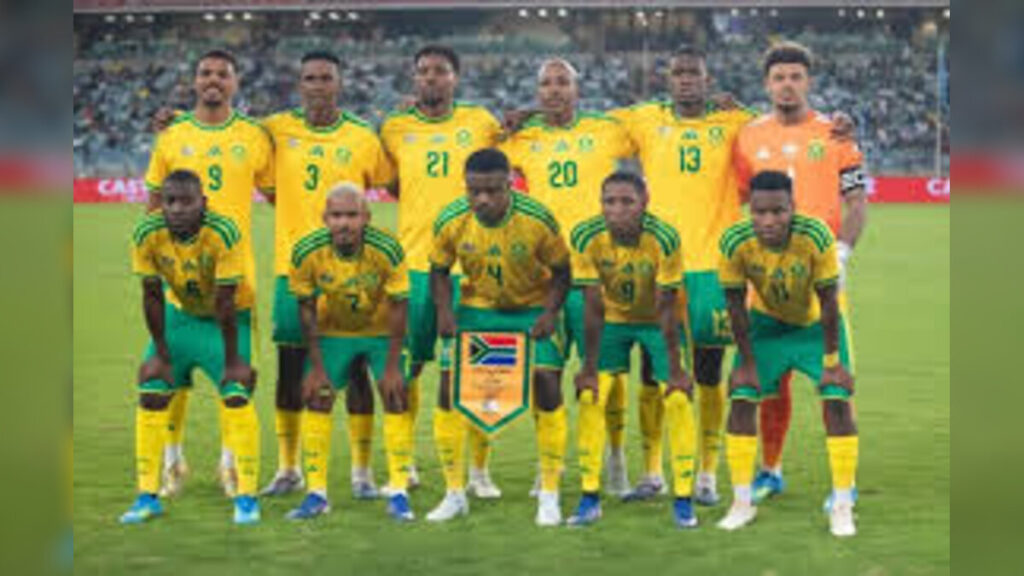
With the road to the FIFA World Cup 2026 heating up, South African football fans are watching closely as Bafana Bafana head coach Hugo Broos enters a crucial 48-hour window to shape his squad plans.
The pressure is rising fast. Like all participating nations, South Africa must submit a preliminary player list by Monday, 11 May, setting the foundation for who could eventually make it to the global tournament hosted across the United States, Canada, and Mexico.
For Broos, this is not just paperwork—it is the first real step toward deciding the group that will carry South Africa’s hopes on football’s biggest stage.
FIFA’s Tight Rules Force Early Decisions
The governing body, FIFA, has laid out strict squad submission rules ahead of the expanded tournament.
Every country must name a provisional squad of between 35 and 55 players, including at least four goalkeepers.
This longlist is more than just a formality. It becomes the only pool of players eligible for final selection and emergency replacements later on.
Once submitted, coaches are essentially locked into their wider group of potential World Cup players.
While fans may not see these lists immediately, they shape internal planning, training camps, and tactical preparations months before the tournament begins.
May 11 Deadline Sets the Selection Foundation
By 11 May, national teams must hand in their provisional squads.
For South Africa national football team, this marks the start of intense internal discussions around form, fitness, and tactical balance.
At this stage, coaches often include rising talents, experienced veterans, and players recovering from injuries.
It is a mix designed to keep options open while monitoring performance in the final weeks of club football.
The decisions made now will influence everything that follows—there is very little room for experimentation once the list is locked in.
Club vs Country Clash Approaches
The next major milestone arrives on 25 May, when clubs must release players for international duty.
However, exceptions still apply for those involved in major European and continental finals.
This period often creates tension between national teams and clubs, especially when key players are competing at the highest level of club football.




From that point, national squads begin full preparation mode, focusing on training camps, tactical systems, and friendly matches designed to sharpen team chemistry before the World Cup.
Final Squad Pressure Peaks in June
Between 25 May and 1 June, coaches must trim their provisional lists down to a final squad of 23 to 26 players, including three goalkeepers.
For Broos, this stage is where difficult decisions become unavoidable.
Injuries, form drops, and tactical fit all play a major role in who stays and who misses out.
FIFA only allows last-minute changes in cases of serious injury or illness—and even then, replacements must come from the original provisional list.
Official Confirmation Brings Everything Into Focus
On 2 June 2026, FIFA will officially confirm all final squads for the tournament.
At that point, speculation ends and preparation becomes fully focused.
Even if national associations announce their teams earlier, FIFA’s confirmation is what makes the squads official.
For players, this is the moment dreams are either secured or delayed for another cycle.
Tournament Structure Raises the Stakes
The 2026 FIFA World Cup will be the largest in history, featuring 48 teams and an expanded format.
A total of 26 players per squad means more than 1,200 footballers will travel to North America for the competition.
The tournament begins on 11 June 2026 and introduces a new round of 32, extending the knockout phase and increasing opportunities for underdog success.
From group stages through to the final on 19 July, the competition will stretch across several weeks of intense global football action.
Impact and Consequences
For South Africa, the squad selection process carries significant weight.
A strong provisional list could signal depth and long-term development within the national setup, while controversial exclusions may spark public debate.
For Hugo Broos, every decision affects his credibility, team chemistry, and South Africa’s chances of progressing deep into the tournament.
At a broader level, the expanded World Cup format increases opportunities for nations like South Africa to make a stronger impact, but it also raises expectations from fans and football authorities.
What’s Next?
All attention now shifts to Broos’ provisional squad announcement.
Once submitted, analysis will begin immediately—from media debates to fan reactions and tactical breakdowns.
The next major checkpoint will be the final squad deadline in June, where the real tournament group is confirmed.
Between now and then, player performances at club level could still influence selection decisions, making every match critical.
Summary
Hugo Broos is entering a decisive 48-hour window as he prepares Bafana Bafana’s provisional squad for the FIFA World Cup 2026.
With strict FIFA deadlines approaching, national teams must first submit a longlist before narrowing it down to a final 26-man squad in early June.
The expanded tournament format increases both opportunity and pressure, as South Africa looks to build a competitive team capable of making an impact on the world stage.
Bulleted Takeaways
- Hugo Broos must submit Bafana Bafana’s provisional World Cup squad within 48 hours.
- FIFA requires a 35–55 player longlist by 11 May 2026.
- Final squad must be 23–26 players, including three goalkeepers.
- Clubs release players on 25 May, with some exceptions for major finals.
- Final squads must be submitted between 25 May and 1 June.
- FIFA confirms all squads officially on 2 June 2026.
- The 2026 World Cup features 48 teams and a new round of 32.
- South Africa national football team selection will heavily influence tournament preparation and expectations.

