
New details reported by Donald Trump investigators have added an unusual twist to an already serious criminal case.
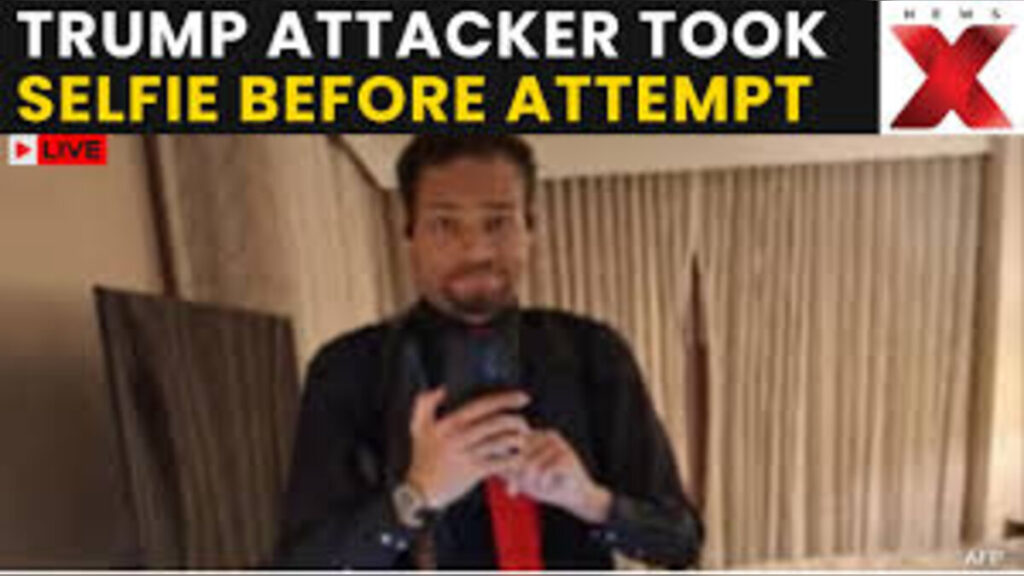
According to an AP News report, a man charged with attempting to kill Trump allegedly took a selfie in a hotel room shortly before rushing toward a gala event where authorities believe the plot was meant to unfold.
The image, described by investigators, has become a key piece of evidence in understanding the suspect’s movements and mindset in the moments leading up to the incident.
While court proceedings are still developing, the detail has drawn attention because it mixes modern social-media behaviour with an extremely high-security criminal allegation.
From Hotel Room to High-Security Event in Minutes
Investigators say the suspect moved quickly from a hotel setting toward a public gala event tied to Trump’s schedule.
The timeline, as reconstructed by law enforcement, suggests a short but critical window between preparation and attempted execution of the alleged plan.
That hotel selfie, according to officials cited in the report, was taken just before departure — a detail that has puzzled investigators trying to piece together intent, planning, and emotional state.
The rapid transition from a private space to a heavily monitored public venue highlights how fast-moving and unpredictable such security threats can be.
A Case That Has Put Security Agencies Back on Alert
Even without going into every allegation, the case has already triggered renewed attention on protective measures surrounding high-profile political figures in the United States.
Following past assassination attempts and threats involving Trump during campaign-related events, the US Secret Service has significantly tightened protocols around public appearances, travel routes, and venue access.
Incidents like this one — even at the planning or attempted stage — reinforce how intelligence gathering and rapid response remain central to preventing escalation.



Why the “Selfie Moment” Stands Out to Investigators
What has drawn particular interest from investigators is not just the alleged plot, but the behaviour leading up to it.
Taking a selfie in a hotel room moments before heading out suggests a level of psychological detachment or documentation that law enforcement experts often analyse in threat assessment cases.
In some criminal investigations, such digital traces are used to:
- Establish timelines
- Identify intent or mindset
- Track movement before an incident
- Corroborate other physical evidence
Authorities have not publicly confirmed the meaning behind the image, but it is now part of the investigative record.
Broader Context: Security Pressure Around Political Figures
Security concerns around high-profile political figures in the US have intensified in recent years.
Campaign events, rallies, and public appearances now often involve layered protection systems, surveillance checks, and intelligence monitoring.
Cases like this one feed into an ongoing reassessment of how threats are identified early — especially when suspects leave digital footprints through phones and social media activity.
Even isolated actions, like a hotel selfie, can become significant when placed in the context of a broader threat investigation.
Impact and Consequences
The case has several immediate implications:
- Increased scrutiny of hotel and venue security near political events
- Stronger monitoring of digital activity linked to potential suspects
- Renewed pressure on protective agencies to anticipate “pre-action signals”
- Public concern over how quickly threats can develop
- Greater reliance on behavioural analysis in security investigations
It also reinforces how modern investigations are no longer just about physical evidence — digital behaviour now plays a central role.
What’s Next?
The legal process is still ongoing, and more details are expected to emerge in court filings and hearings.
Key developments to watch include:
- Formal presentation of evidence by prosecutors
- Clarification of the suspect’s intent and planning timeline
- Testimony from law enforcement and security personnel
- Possible expansion of related investigations, if any links are found
Authorities are also expected to review whether any procedural gaps allowed the suspect to get as close as he reportedly did.
Summary
A man charged in connection with an alleged attempt on Donald Trump reportedly took a selfie in a hotel room shortly before heading toward a gala event, according to AP News and investigators.
The detail has become part of a broader investigation into his movements and intent.
While the case remains active, it has already raised fresh questions about political security, digital evidence, and how quickly threats can escalate.
Bulleted Takeaways
- Suspect in alleged attempt involving Donald Trump reportedly took hotel room selfie
- Investigators say the photo was taken before he rushed to a gala event
- The case is being reported by AP News and remains under investigation
- Timeline suggests rapid movement from hotel to high-security venue
- Digital evidence is central to understanding suspect behaviour
- US security agencies have increased protective measures around political figures
- Case highlights growing role of online and phone activity in investigations
- Authorities continue to reconstruct events leading up to the alleged incident
- No final court judgment has been reached yet
- Further legal updates and evidence disclosures are expected soon

