
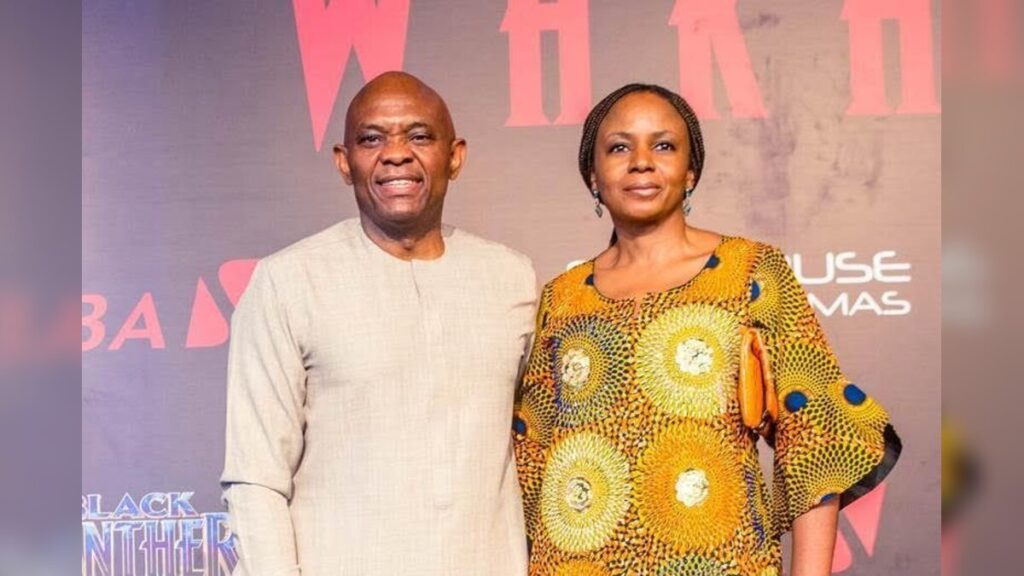
Human rights activist Omoyele Sowore has stepped into a fast-growing online controversy involving allegations about businessman Tony Elumelu’s personal life, calling for the immediate release of three people arrested over the matter.
The arrests stem from a viral social media post that claimed the Chairman of United Bank for Africa (UBA), Tony Elumelu, had divorced his wife, Awele.
The claim quickly spread online before being officially denied by the bank.
Sowore, reacting publicly, insisted that even if the claim was false or poorly reported, it should not have escalated into police action.
Sowore Says Police Went Too Far
In a strongly worded Facebook post, Sowore argued that the situation does not meet the threshold for criminal prosecution.
He maintained that publishing or sharing information about a public figure’s marital status—whether accurate or not—should be treated as a civil matter, not something requiring detention.
According to him, arresting bloggers over such content risks setting a dangerous precedent for freedom of expression in Nigeria.
He specifically called on the Nigeria Police Force to release the detained individuals: Kingsley Akunemeihe, Chigozie Success Ihebom, and John Surpruchi Nwanorue.
UBA Reacts, Denies Viral Divorce Story
The controversy escalated after UBA issued an official statement dismissing the viral claim as completely false.
The bank described the report as “fabricated, reckless, and malicious,” insisting it was designed to mislead the public and damage the reputation of its Group Chairman.
UBA’s communications leadership emphasized that the story circulating online had no factual basis and should be disregarded.
Arrests and Law Enforcement Response
Following the circulation of the post, law enforcement agencies reportedly intervened, leading to the arrest of three individuals said to be linked to the creation and spread of the content.




UBA further stated that it had already escalated the matter to relevant authorities and was pursuing legal remedies.
The bank also warned individuals and platforms still sharing the content to remove it and preserve any related material, hinting at possible civil and criminal proceedings.
A Bigger Debate About Free Speech in Nigeria
Beyond the immediate dispute, the incident has reignited long-running debates in Nigeria about defamation laws, digital speech, and the boundaries of police involvement in online disputes.
Nigeria’s Cybercrime (Prohibition, Prevention, etc.)
Act has often been referenced in similar cases involving online publications, especially where allegations are seen as damaging to reputation.
Critics argue that law enforcement sometimes intervenes in matters that should be handled through civil defamation suits, while others insist that false online claims can cause serious reputational and financial harm if left unchecked.
Impact and Consequences
This episode adds to growing concerns among digital rights advocates about how quickly online speech can escalate into criminal investigations in Nigeria.
For public figures like Tony Elumelu, whose influence extends across banking, investment, and philanthropy—particularly through the Tony Elumelu Foundation—the reputational stakes are high.
For bloggers and social media users, the arrests serve as a reminder that content shared online can attract legal consequences, even when the intention is commentary or reposting.
At the institutional level, it also places the police in a sensitive position between enforcing defamation-related complaints and protecting constitutional freedoms.
What’s Next?
The immediate next step is likely to revolve around legal proceedings, either through the police investigation process or potential court action.
If charges are pursued, the case could test how Nigerian courts balance defamation claims against constitutional free speech protections.
Civil rights groups are also expected to continue monitoring the situation closely, especially given Sowore’s involvement and his history of challenging state actions against journalists and activists.
There is also the possibility that UBA may proceed with civil litigation against those it believes are responsible for originating and spreading the story.
Summary
The dispute over the alleged divorce story has moved far beyond social media speculation.
It now sits at the intersection of reputational protection, press freedom, and the criminal justice system’s role in digital expression.
With arrests already made and legal threats in motion, the situation is evolving into a broader national conversation about how Nigeria handles online speech in the age of viral information.
Bulleted Takeaways
- Sowore is demanding the release of three individuals arrested over a viral divorce claim involving Tony Elumelu
- UBA has denied the claim, calling it false, malicious, and damaging
- The bank says law enforcement has already been involved and arrests have been made
- The case raises fresh concerns about free speech and defamation laws in Nigeria
- Cybercrime and defamation frameworks may shape how the matter proceeds legally
- The situation could develop into a broader legal and constitutional debate on online expression in Nigeria

