
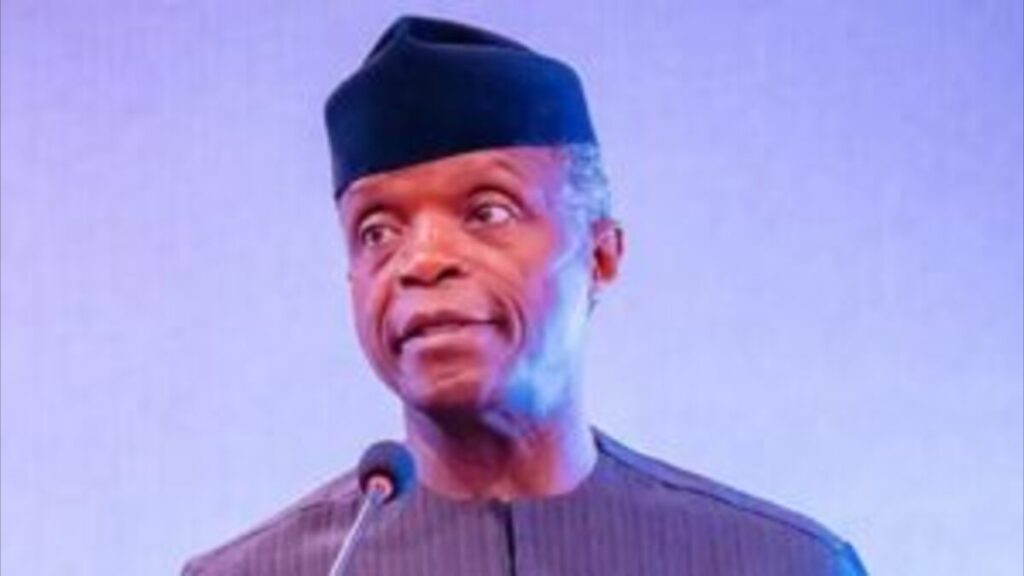
A familiar debate has resurfaced in Nigeria’s religious and public space after gospel artist Salau Olayiwola, widely known as Testimony Jaga, openly pushed back against former Vice President Prof. Yemi Osinbajo’s recent remarks on what is often called the “prosperity gospel.”
The exchange, which has been circulating online, has reignited long-standing disagreements within Christian circles about whether prosperity should be emphasized as part of the Christian message or treated as a distortion of it.
Osinbajo’s Position on the “Prosperity Gospel”
Speaking during a live discussion at Rock of Ages Christian Assembly International, Osinbajo argued that separating prosperity from the Christian message creates confusion about what the gospel actually is.
According to him, there is no separate theological category known as “prosperity gospel.”
Instead, he insisted that Christianity is built around one central message—the gospel of Jesus Christ.
He warned that attempts to isolate prosperity as a doctrine can distort the core message of Christianity, which he described as being rooted in truth, redemption, and spiritual transformation rather than material emphasis.
Osinbajo also noted that believers should expect distractions, including material temptations, but maintained that these should never redefine the essence of the gospel.
Testimony Jaga Pushes Back
In a video that quickly gained traction online, Testimony Jaga responded directly to Osinbajo’s comments, acknowledging the idea of a single gospel but challenging how that message is applied in real-life contexts.
He agreed that there is only one gospel, but questioned the dismissal of conversations around prosperity, especially in a country facing widespread economic hardship.
Jaga argued that it is difficult to separate spiritual messages from material realities, saying the church must also speak to poverty and daily struggles.
He went further to question the practical impact of leaders who speak on such issues, asking for evidence of real-world transformation and support for the poor from those who preach or govern.
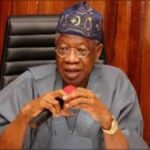
While not denying that excesses exist in religious circles, he stressed that abuses by individuals should not be used to discredit the broader Christian message.
The Bigger Picture: Faith, Poverty, and Expectations
This exchange reflects a broader tension within Nigerian Christianity.
Over the years, the so-called prosperity message has been both widely embraced and heavily criticized.
Supporters often argue that faith should inspire hope, encouragement, and upliftment, especially in difficult economic conditions.
Critics, on the other hand, warn that overemphasis on wealth can distort spiritual priorities and lead to exploitation.
In Nigeria, where economic pressure is a daily reality for many, the discussion often becomes more than theology—it touches on survival, expectations from religious leaders, and the role of the church in social issues.
Impact and Consequences
The latest exchange has added fresh fuel to an already sensitive debate.
It highlights the growing demand from the public for accountability, not only in religious teaching but also in leadership—both spiritual and political.
For religious communities, it may deepen the divide between those who prioritize material breakthrough messaging and those advocating a more strictly spiritual interpretation of Christianity.
It also reflects how public figures, especially those with political backgrounds like Osinbajo, remain influential voices in national moral and religious conversations long after leaving office.
What’s Next?
This kind of debate is unlikely to disappear soon.
As economic pressures continue, discussions around wealth, faith, and responsibility in religious spaces will likely intensify.
We may also see more public figures—both religious and political—being drawn into similar controversies as audiences increasingly demand clarity and accountability in messaging.
At the same time, churches and ministries may feel pressure to balance spiritual teachings with practical responses to social and economic realities.
Summary
The disagreement between Testimony Jaga and Prof. Yemi Osinbajo has once again brought Nigeria’s long-running prosperity gospel debate into the spotlight.
While Osinbajo insists there is only one unified Christian gospel, Jaga argues that the church cannot ignore the lived realities of poverty and hardship.
Bulleted Takeaways
- Osinbajo says there is no separate “prosperity gospel,” only the gospel of Jesus Christ.
- He warns that separating prosperity from the gospel distorts its message.
- Testimony Jaga agrees there is one gospel but challenges the dismissal of prosperity discussions.
- Jaga emphasizes the need for the church to address poverty and economic hardship.
- He calls for evidence of real-life impact from leaders who speak on these issues.
- The debate reflects a wider tension in Nigerian Christianity about wealth and faith.
- Public pressure for accountability in both religious and political leadership is growing.
- Pope Francis concludes Africa tour with diplomatic visit to Equatorial Guinea as Vatican strengthens global Church influence across Central Africa
- Bells Toll in Vatican City as Pope Francis Leaves Powerful Legacy That Transforms Global Catholic Church
- St Anselm challenges royal power and shapes Church authority in medieval England through bold faith and reason
- Firebomb Attack Targets Kenton United Synagogue in London as Wave of Arson Incidents Against Jewish Community Sparks Fear
- Pope Leo XIV Denies He Was Targeting Donald Trump as Angola Visit Reignites Debate Over War, Peace and Vatican Politics
- Global Events Planned to Mark 100 Years Since Pope Benedict XVI’s Birth
- Pope Leo XIV urges Cameroon leaders to prioritize youth education and peacebuilding during powerful Douala visit
- Pope Leo XIV announces June consistory bringing cardinals to Vatican City as Church pushes major Evangelii Gaudium revival and missionary reform agenda
- Pope Leo XIV delivers powerful message on humility and God’s love during emotional visit to elderly care home in Annaba Algeria
- Pope Leo XIV sparks global attention as he walks through historic Hippo site in Annaba Algeria honoring St Augustine and early Christian heritage
- Pope Leo XIV Declares He Will Speak “Loudly” Against War on Flight to Algeria, Rejects Political Clash With Trump
- Bishop Uses Pop Singer Gracie Abrams Song to Reveal Student Emotional Wounds at Catholic Education Convention in Minnesota

