
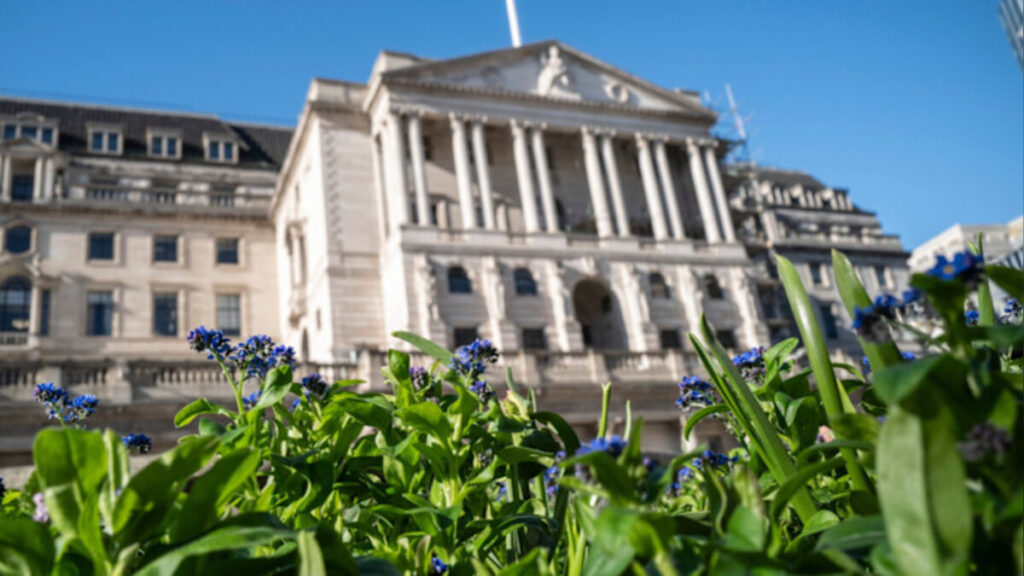
There’s a strong sense of pause in the air as the Bank of England prepares to announce its latest interest rate decision.
Most economists are lining up behind the idea that rates will stay exactly where they are—for now.
It’s not hesitation without reason, though. Policymakers are trying to read a fast-changing global picture, especially the economic ripple effects tied to tensions in the Middle East.
At the heart of the decision is uncertainty.
The central bank’s rate-setting team, known as the Monetary Policy Committee, is expected to keep borrowing costs at 3.75% while it gathers more clarity on how external shocks are filtering into the UK economy.
Inflation Creeps Back Into the Spotlight
Recent figures have made things more complicated.
Data from the Office for National Statistics shows inflation has edged up again, hitting 3.3% in March—a noticeable climb after months of cooling.
The culprit? Energy costs, particularly fuel.
Petrol and diesel prices surged sharply, largely because disruptions in oil supply chains pushed costs higher.
That kind of jump doesn’t just stay at the pump—it filters through transport, food distribution, and ultimately supermarket shelves.
There’s also growing unease among businesses.
Some firms now expect food prices to climb significantly in the coming months, with projections suggesting inflation in that category could reach as high as 7%.
A Surprisingly Resilient Economy
Here’s where things get interesting. Despite inflation worries, parts of the UK economy are holding up better than expected.
Growth figures show a 0.5% expansion in February—far stronger than forecasts.
Consumer behavior also tells a story. Retail activity picked up, with people spending more, especially on fuel.
It appears many households rushed to fill their tanks in anticipation of even higher prices.




This mix—rising inflation alongside steady growth—puts policymakers in a tricky spot.
Tightening policy too soon could slow the economy, but waiting too long risks letting inflation spiral.
Why Experts Still Expect No Change
Even with inflation ticking up, most economists believe the central bank will hold its nerve.
The current interest rate is already considered restrictive, meaning it’s designed to cool spending and borrowing.
Some analysts, however, think not everyone on the committee will agree.
A small group may push for a slight increase as a precaution—arguing that acting early could prevent bigger problems later.
Still, the dominant view is patience. The ongoing ceasefire in the Middle East offers some breathing room, but the situation remains fragile, and its economic consequences are far from settled.
The Global Context Matters Too
The UK isn’t making decisions in isolation.
Across the Atlantic, the Federal Reserve is facing a similar dilemma.
Like the UK, the US is also expected to hold rates steady as it monitors how geopolitical tensions affect inflation and growth.
When major economies move in sync—or choose not to move at all—it often reflects just how uncertain the global outlook really is.
Impact and Consequences
If rates are held steady, it offers short-term relief for borrowers—especially homeowners with variable-rate mortgages.
Businesses, too, get a bit more breathing space.
However, the downside is that inflation pressures may linger longer than hoped.
Rising fuel and food costs could continue to squeeze household budgets, particularly for lower-income families.
On the flip side, a premature rate hike could slow economic activity, increase unemployment risks, and dampen consumer confidence.
It’s a delicate balancing act with real-world consequences.
What’s Next?
All eyes will shift to future meetings. If inflation continues to climb—or if energy disruptions persist—the likelihood of a rate hike later in the year increases.
Some forecasts suggest a possible increase as early as June or July if conditions don’t improve.
Beyond that, there’s even speculation that rates could eventually be trimmed again in the longer term, once inflation is firmly under control.
Much depends on two things: how the Middle East situation evolves and whether inflation proves sticky or temporary.
Summary
The Bank of England is expected to keep interest rates unchanged at 3.75% as it navigates a complex economic landscape shaped by geopolitical tension, rising inflation, and resilient growth.
While the current stance is cautious, the door remains open for future rate increases if inflationary pressures persist.
Bulleted Takeaways
- The Bank of England is widely expected to hold interest rates at 3.75%.
- Inflation has risen to 3.3%, driven largely by higher fuel costs.
- Energy disruptions linked to Middle East tensions are a key concern.
- The UK economy is performing better than expected, with solid growth and retail activity.
- Some policymakers may still push for a small rate hike as a precaution.
- Future rate decisions will depend heavily on inflation trends and global stability.
- Borrowers get short-term relief, but cost-of-living pressures remain a challenge.

