
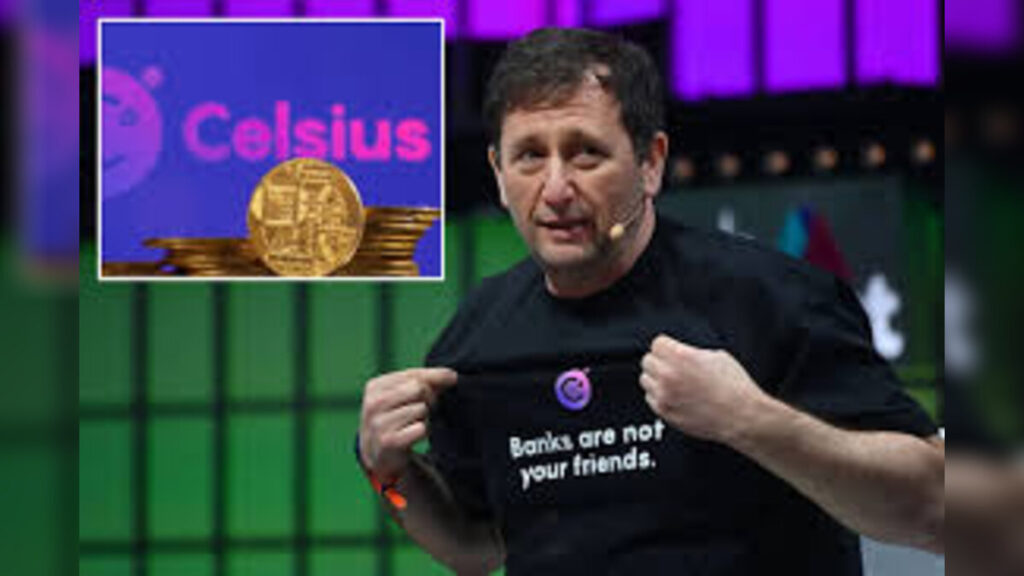
The long-running legal storm around Celsius has taken another turn, with its founder, Alex Mashinsky reaching a settlement with the U.S. Federal Trade Commission.
The case, which has followed the collapse of the crypto lender, centers on accusations that customers were misled about how safe their funds really were and how the platform actually operated behind the scenes.
This isn’t just another courtroom update—it’s part of a wider cleanup effort after one of crypto’s most talked-about failures.
A Settlement That Comes With Heavy Restrictions
Under the agreement with the Federal Trade Commission, Mashinsky is now permanently barred from promoting, marketing, or distributing any product or service involving depositing, investing, exchanging, or withdrawing assets.
The restriction is intentionally wide. It doesn’t just apply to direct involvement but also covers indirect roles, meaning he cannot quietly support or facilitate similar ventures through intermediaries either.
On top of that, the financial penalties are significant.
The filing points to a $4.72 billion judgment tied to the case, along with an additional $10 million payment owed to the FTC.
While that headline number is massive, it reflects the broader scale of consumer losses and alleged misconduct linked to the Celsius platform.
The Core Allegations Behind the Collapse
At the heart of the case is how Celsius presented itself to users before it collapsed in 2022.
According to regulators, customers were encouraged to deposit cryptocurrency with promises that their funds were safer than traditional banks.
The company also claimed it generated returns through low-risk lending strategies.
Regulators argue that those claims were misleading, suggesting that risk was far higher than what was communicated to users.
There were also concerns about advertising.
One major issue raised was the claim of a $750 million insurance policy supposedly protecting customer assets.




Authorities say that protection was overstated or misrepresented.
Another disputed promise involved liquidity—users were told they could withdraw funds freely, even though the platform’s actual financial structure made that difficult under stress conditions.
Criminal Sentencing Adds Another Layer
Beyond the FTC settlement, Mashinsky’s legal troubles have already reached the criminal courts.
In May 2025, he was sentenced to 12 years in prison after pleading guilty to securities fraud and commodities fraud.
The sentencing marked one of the most serious individual outcomes tied to the broader crypto lending crisis, reinforcing how aggressively regulators have responded to the sector’s failures.
Celsius Token Collapse Still Lingers
The fallout from the collapse is still visible in the market.
The native token of the platform, CEL, has lost almost all of its value since the company’s downfall in 2022.
Once part of a high-yield crypto lending ecosystem, it now trades at only a fraction of a cent, reflecting how deeply confidence evaporated after the bankruptcy.
Impact and Consequences
This settlement adds another layer to the broader regulatory crackdown on crypto lending platforms.
It signals that enforcement agencies are still pursuing long-term consequences years after the initial collapse.
For the crypto industry, the message is blunt: marketing claims around “safe yield” and “low-risk returns” are under intense scrutiny.
Platforms offering financial products tied to customer deposits may face stricter disclosure expectations going forward.
For investors, the Celsius case has become a cautionary reference point.
It highlights how quickly trust can disappear when liquidity risks are hidden or poorly communicated.
What’s Next?
Even with this settlement in place, the legal story may not be fully closed.
The FTC retains the ability to pursue further action depending on financial disclosures and asset reporting.
Separately, ongoing proceedings in the broader Celsius bankruptcy process continue to determine how remaining assets will be distributed to affected users.
On the regulatory side, more enforcement actions against failed or questionable crypto lenders are likely, as agencies continue tightening oversight of digital asset platforms.
Summary
The settlement between Alex Mashinsky and the FTC marks another major step in the aftermath of Celsius’s collapse.
It combines strict professional bans, heavy financial penalties, and ongoing legal exposure tied to one of the most significant failures in crypto lending history.
While it doesn’t erase past losses, it reinforces how seriously regulators are treating misconduct in the digital asset space.
Bulleted Takeaways
- Celsius founder Alex Mashinsky has settled with the U.S. Federal Trade Commission
- He is permanently banned from promoting or operating financial asset-related services
- The FTC case includes a $4.72 billion judgment and a $10 million payment order
- Allegations focus on misleading claims about safety, withdrawals, and insurance coverage
- Mashinsky was separately sentenced to 12 years in prison for fraud charges in 2025
- Celsius token (CEL) has collapsed in value since the 2022 platform failure
- The case continues to influence crypto regulation and investor caution globally
- Additional legal and bankruptcy proceedings are still ongoing

