
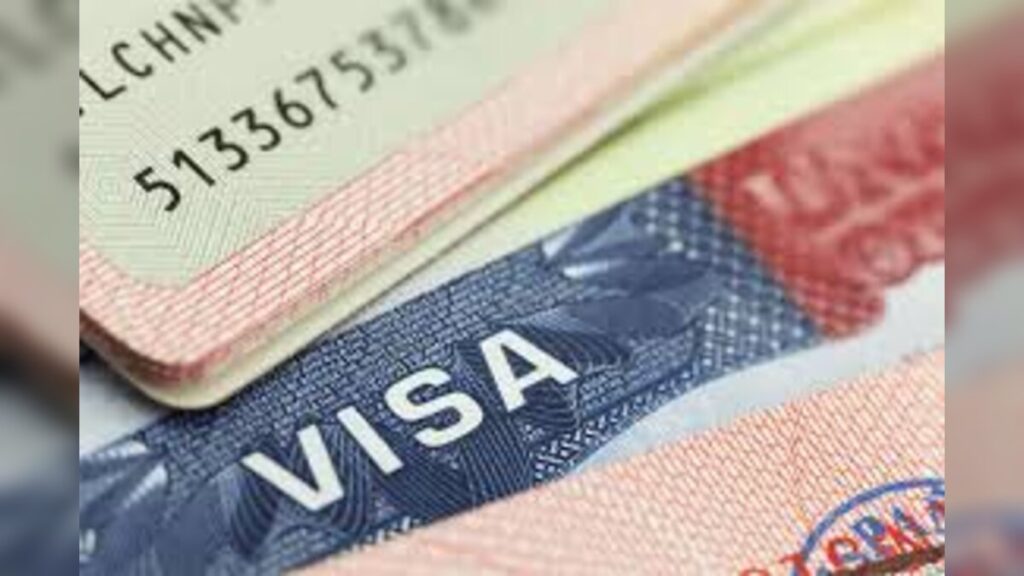
In a move that didn’t make loud headlines but carries serious weight, the United States has resumed visa processing for foreign-trained doctors, including many Nigerians.
According to The New York Times, the change comes after authorities rolled back a restrictive policy that had effectively stalled applications under a broader travel ban framework introduced earlier this year.
For months, uncertainty loomed over thousands of medical professionals whose immigration status was left hanging in the balance. Now, that cloud is beginning to lift.
What Happened Behind the Scenes
Back in January, a sweeping policy quietly froze several immigration processes.
This included visa renewals, work permits, and even green card applications for citizens of roughly 39 countries.
The impact was immediate and disruptive—especially for foreign-trained doctors already working within the U.S. healthcare system.
However, the U.S. Citizenship and Immigration Services (USCIS) has since updated its guidance, specifically carving out an exemption for medical doctors.
A spokesperson from the Department of Homeland Security confirmed that applications tied to physicians will now continue to be processed.
Why Doctors Were Caught in the Crossfire
The earlier restrictions didn’t target doctors directly, but they became unintended casualties of a broader immigration clampdown.
Many found themselves unable to renew their legal status, forcing hospitals to sideline them or risk losing them altogether.
Some physicians were placed on administrative leave.
Others faced the very real possibility of job termination—not due to performance, but paperwork delays.
America’s Growing Doctor Shortage
This policy reversal didn’t happen in isolation.



The U.S. is grappling with a significant healthcare workforce gap, estimated at around 65,000 doctors—and that number is projected to climb.
Foreign-trained physicians play a critical role in bridging this gap.
In fact, they make up roughly 25% of the U.S. medical workforce.
Many of them serve in rural or underserved communities where local talent is scarce.
Without these professionals, access to healthcare in certain regions could deteriorate quickly.
Relief for Hospitals and Patients
With visa processing back on track, hospitals can breathe a little easier.
Staffing shortages that were worsening due to immigration delays may now stabilize.
For patients, especially in underserved areas, this could mean shorter wait times, better continuity of care, and improved access to essential medical services.
For Nigerian doctors and others affected, it’s more than policy—it’s a return to stability, purpose, and livelihood.
Impact and Consequences
The immediate impact is clear: doctors who were previously stuck in limbo can now resume their professional duties without fear of sudden job loss.
But the ripple effects go further. Hospitals regain critical staff, healthcare delivery improves, and the U.S. avoids deepening an already serious workforce crisis.
On the flip side, the episode highlights how fragile immigration-dependent systems can be.
A single policy shift can disrupt thousands of lives and strain essential services.
What’s Next?
While this exemption offers relief, questions remain.
Will other skilled workers receive similar considerations? Could future policy changes reintroduce uncertainty?
For now, attention will likely shift toward ensuring smoother processing and preventing similar disruptions.
Healthcare institutions may also push for more stable, long-term immigration pathways for essential workers.
Summary
The U.S. government has reversed a policy that previously stalled visa processing for foreign-trained doctors, allowing applications to move forward once again.
This decision comes at a crucial time, as the country faces a growing shortage of medical professionals.
The change not only supports doctors—many of them Nigerians—but also strengthens the healthcare system as a whole.
Bulleted Takeaways
- The U.S. has resumed visa processing for foreign-trained doctors after months of delays
- The earlier freeze affected applicants from about 39 countries
- U.S. Citizenship and Immigration Services now exempts physicians from the restriction
- The U.S. faces a doctor shortage estimated at 65,000 and rising
- Foreign-trained doctors make up about 25% of the U.S. medical workforce
- Many affected doctors had been placed on leave or risked losing their jobs
- The policy shift is expected to ease pressure on hospitals and improve patient care
- Nigerian doctors are among those who stand to benefit from the change

