
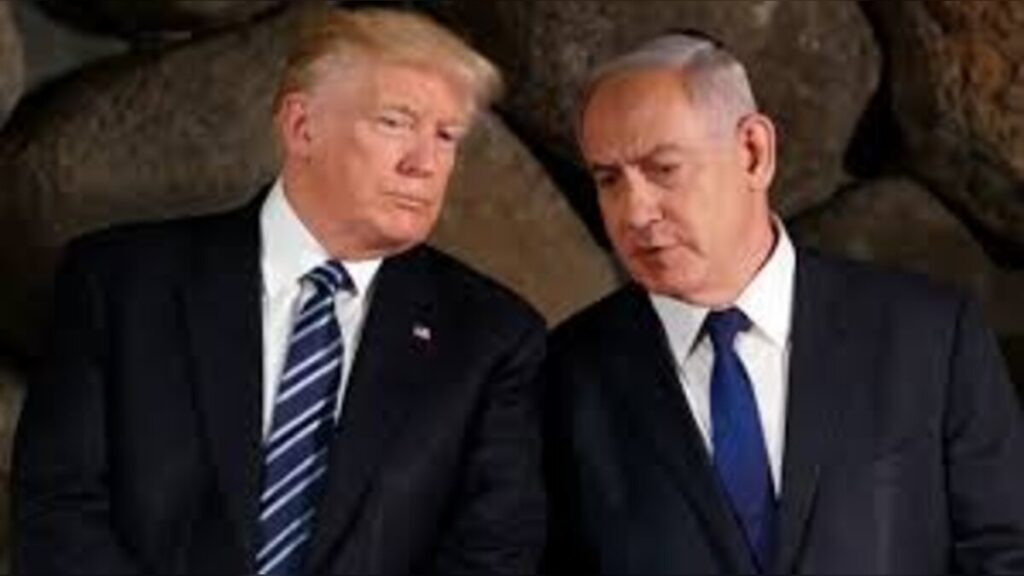
A high-level phone conversation late Wednesday has added new pressure to an already volatile situation in the Middle East.
Israeli Prime Minister Benjamin Netanyahu reportedly urged US President Donald Trump to tighten the timeline for ongoing diplomatic talks involving Lebanon, setting a proposed deadline of just two to three weeks.
According to reporting from Israel’s Channel 12, the request places a clear end point around mid-May, reflecting growing concern in Jerusalem that negotiations are dragging on while violence on the ground continues.
At the centre of the discussion is a fragile balance between diplomacy and military escalation, with both sides trying to avoid a wider regional war—at least for now.
Washington, Tehran, and the Wider Negotiation Web
The timing of the call came shortly after Trump rejected an Iranian proposal that would have postponed discussions on Iran’s nuclear programme until after broader regional tensions ease.
Instead, the US position reportedly pushes for immediate focus on strategic chokepoints like the Strait of Hormuz, a vital global shipping route.
This overlapping web of negotiations—covering Iran, Lebanon, and armed groups such as Hezbollah—has created a complex diplomatic environment where one breakthrough or failure could ripple across multiple conflicts.
Israel’s Growing Concern Over Hezbollah Activity
Inside Israel, officials are increasingly vocal about what they describe as continued Hezbollah attacks against Israeli Defence Forces positions and northern civilian areas.
They argue that this ongoing pressure weakens deterrence and reduces the chances of any meaningful agreement emerging from talks.
The concern is not only about current violence but also about time.
Israeli leaders fear that prolonged negotiations could allow Hezbollah to regroup, rearm, and strengthen its position along the border.
Military Restraint Meets Strategic Risk
Despite rising tensions, Israel’s political leadership has instructed the Israel Defense Forces to maintain restraint in Lebanon for now.
Military activity north of the Litani River has been largely paused, with any potential strikes requiring high-level approval.
This cautious approach is seen as part of an effort to support US-led diplomacy, particularly broader negotiations involving Iran.



However, within Israel’s security establishment, there is growing unease. Some officials believe the pause in operations may unintentionally give Hezbollah space to recover operational capacity.
US Pressure for Limited Military Action
Reports also suggest that Trump has urged Netanyahu to limit Israeli military responses in Lebanon to what have been described as “surgical” strikes.
The goal, according to these accounts, is to prevent escalation while diplomatic efforts continue.
This approach reflects a broader US strategy of containing multiple regional flashpoints at once, rather than allowing them to merge into a wider conflict.
Still, balancing restraint with security concerns remains a difficult task for all parties involved.
IDF Position on the Ground in Southern Lebanon
During a recent visit to forces operating in southern Lebanon, Israel Defense Forces Chief of Staff Lt.-Gen. Eyal Zamir stated that the military is acting strictly in line with government instructions.
He noted that operational objectives tied to both Lebanon and Iran-related campaigns have largely been met, or even exceeded, according to his assessment.
At the same time, the current posture of responding to attacks rather than initiating large-scale operations has drawn internal criticism from some Israeli officials, who argue it allows Hezbollah to maintain momentum.
Diplomatic Talks Continue Amid Ongoing Clashes
Even as negotiations continue in international venues like New York, fighting has not fully stopped.
South of the Litani River, exchanges between Israeli forces and Hezbollah have reportedly occurred almost daily in recent days.
This overlapping reality—talks in one arena and conflict in another—underscores how unstable the situation remains.
Impact and Consequences
If Netanyahu’s proposed timeline is accepted, pressure on negotiations could intensify significantly, potentially forcing faster diplomatic outcomes or accelerating military escalation.
A breakdown in talks may lead Israel to pursue its “original plan” of expanded operations in Lebanon, increasing the risk of wider conflict involving Hezbollah and possibly regional allies.
On the other hand, continued restraint could preserve diplomatic channels but may deepen internal criticism within Israel’s security establishment over perceived erosion of deterrence.
The situation also affects civilians in northern Israel and southern Lebanon, who remain exposed to ongoing uncertainty and periodic violence.
What’s next?
The next few weeks are likely to be decisive. US-led diplomatic efforts will continue, while Israel monitors whether Hezbollah activity escalates or stabilises.
If no progress is made within the suggested timeframe, Israel may push for a shift toward expanded military action, subject to political approval.
Meanwhile, US officials are expected to continue balancing pressure on both Israel and regional actors to avoid full-scale escalation.
Summary
Tensions between Israel, Hezbollah, and regional diplomatic actors are intensifying as Prime Minister Benjamin Netanyahu reportedly urges a short deadline for Lebanon-related negotiations.
While the US pushes for limited military action and continued diplomacy, Israel warns that delay could weaken deterrence and allow Hezbollah to strengthen its position.
The coming weeks will likely determine whether the situation moves toward a deal or deeper conflict.
Bulleted Takeaways
- Netanyahu reportedly urged Trump to set a 2–3 week deadline for Lebanon negotiations
- Talks involve broader regional issues including Iran and the Strait of Hormuz
- Israel warns Hezbollah attacks are weakening deterrence in northern areas
- US reportedly prefers limited “surgical” Israeli military strikes
- IDF has been instructed to show restraint in Lebanon operations
- Military activity north of the Litani River is currently restricted
- Israeli officials fear Hezbollah may regroup during diplomatic delays
- Near-daily clashes continue south of the Litani River
- IDF leadership says operational goals have largely been met
- The next weeks could decide between escalation or diplomatic progress

