
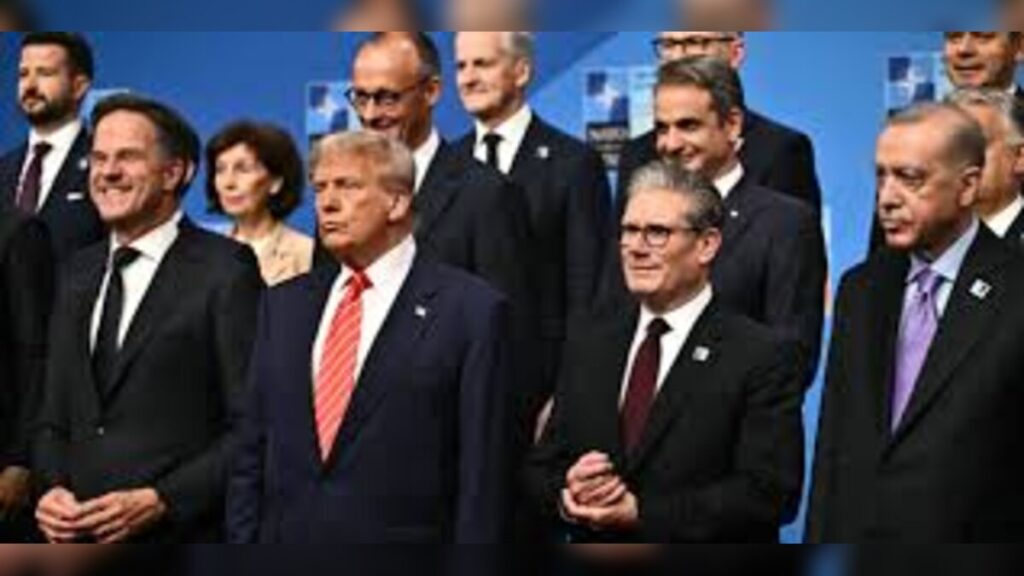
There’s been a noticeable change in how European countries are responding to pressure from Donald Trump—and according to NATO’s chief, it hasn’t gone unnoticed.
Speaking recently, Mark Rutte suggested that European allies have finally “gotten the message” and are stepping up, particularly when it comes to military cooperation.
At the center of this shift is a long-standing complaint from Washington: that some NATO members aren’t pulling their weight, especially in moments of conflict involving U.S. interests.
Military Bases Become a Flashpoint
One of the biggest friction points has been access to military bases.
The U.S. has reportedly pushed for broader permissions to use facilities across Europe, especially in relation to operations tied to tensions with Iran.
While some countries hesitated, Rutte now says many are moving to fully implement existing agreements.
Nations like Croatia, Romania, Italy, and Germany are reportedly aligning more closely with U.S. expectations—granting access, logistical support, and operational flexibility.
However, not everyone is on the same page. Spain, for instance, has openly resisted allowing its bases to be used for operations connected to the Iran conflict, highlighting the ongoing divisions within the alliance.
Surprise Move: U.S. Plans Troop Withdrawal
In what many saw as a strong signal of dissatisfaction, the U.S. recently announced plans to withdraw about 5,000 troops from Germany.
The move caught several European leaders off guard.
Kaja Kallas didn’t hide her concern, noting that the timing was unexpected and pointing to a deeper issue—what she described as a need for Washington to show greater respect for Europe’s role within NATO.
This troop reduction, while not unprecedented, carries symbolic weight.
It raises questions about the future of U.S. military presence in Europe and whether Washington is reconsidering its strategic commitments.
Quiet Preparations for What Comes Next
Behind the scenes, European nations are not just responding—they’re preparing.




Rutte اشارهed that more countries are positioning naval assets, including minehunters and minesweepers, closer to the Gulf region.
The goal? Readiness for a potential “next phase,” especially if tensions escalate further or if post-conflict security operations become necessary.
There’s also growing discussion among European governments about participating in missions to safeguard shipping routes—particularly through the strategically critical Strait of Hormuz.
Tensions Escalate Inside the Pentagon
Perhaps the most striking development is what’s happening internally within the U.S. defense establishment.
Reports have emerged of a Pentagon memo outlining possible “punitive” measures against NATO allies perceived as uncooperative during the Iran conflict.
Among the ideas floated:
- Limiting certain countries’ influence within NATO structures
- Reassessing diplomatic stances on key geopolitical issues
- Even suspending allies from high-profile roles within the alliance
The frustration seems to center on something known as ABO—access, basing, and overflight rights—which the U.S. views as a minimum expectation among NATO partners.
Impact and Consequences
This situation is doing more than just straining relationships—it’s reshaping them.
For one, trust within NATO is being tested. The alliance has always relied on unity, but differing national interests are becoming harder to ignore.
Countries closer to the Middle East may feel more urgency, while others are wary of being drawn into conflicts they didn’t initiate.
There’s also a strategic consequence: Europe may accelerate efforts to strengthen its own defense capabilities, reducing reliance on the U.S. over time.
This aligns with ongoing discussions about a stronger “European pillar” within NATO.
Economically and politically, these tensions could spill over into other areas of transatlantic cooperation, from trade to intelligence sharing.
What’s Next?
Expect more behind-the-scenes negotiations.
The U.S. is unlikely to ease pressure anytime soon, especially if it believes its allies are falling short.
Meanwhile, European nations will continue walking a fine line—supporting NATO commitments while managing domestic political concerns.
We may also see:
- Further troop adjustments across Europe
- New defense agreements or revisions to existing ones
- Expanded European-led security initiatives
Much will depend on how the Iran situation evolves and whether a broader conflict can be avoided.
Summary
The message from Washington has landed, and Europe is responding—but not uniformly.
While many countries are increasing cooperation, divisions remain, particularly over how far to go in supporting U.S. military efforts.
At the same time, the U.S. is signaling that patience is wearing thin, using both policy moves and internal discussions to push allies toward greater alignment.
The result is a NATO alliance that is adapting under pressure—tested, but still very much in motion.
Bulleted Takeaways
- European countries are increasing compliance with U.S. military base agreements after pressure from Donald Trump
- Mark Rutte says allies have “gotten the message” and are acting accordingly
- The U.S. plans to withdraw 5,000 troops from Germany, signaling dissatisfaction
- Kaja Kallas criticized the move as unexpected and concerning
- Spain remains resistant to allowing its bases to be used for Iran-related operations
- European nations are positioning naval assets near the Gulf for potential future missions
- A Pentagon memo suggests possible punitive actions against less cooperative NATO allies
- The situation could reshape NATO dynamics and accelerate Europe’s push for defense independence

