
South Africa is taking a new approach to voter registration by bringing part of the process onto WhatsApp, a move that could offer useful lessons for Nigeria as it looks for ways to make electoral services easier to access.
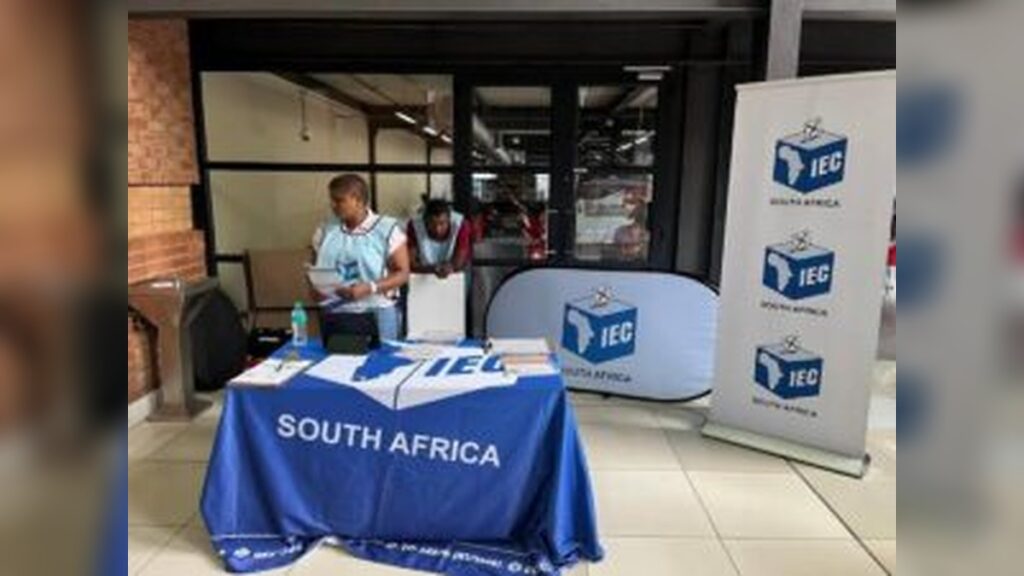
The Independent Electoral Commission (IEC) recently introduced a WhatsApp registration service ahead of the country’s November local government elections.
Eligible South Africans can use the platform to register, update their voter information, verify addresses and check their voting stations without having to navigate a traditional government website.
The initiative reflects a simple idea: if millions of people already use a platform every day, some public services could be made more accessible by meeting citizens where they already are.
Why the IEC Is Turning to WhatsApp
The South African electoral commission says the new service is partly designed to attract younger voters and remove some of the practical obstacles associated with registering.
IEC Chief Electoral Officer Sy Mamabolo said the commission wanted to expand access while protecting the reliability of the voters’ roll.
The approach appears to be gaining attention among younger citizens.
During the IEC’s final registration campaign, almost 500,000 registration-related transactions came from people between 16 and 29 years old.
Voters below the age of 29 also accounted for 46% of new registrations.
Those figures do not necessarily mean that younger voters will turn out in larger numbers on election day. However, they indicate that digital channels could help remove one of the first hurdles for new voters: getting registered.
Could Nigeria Adopt a Similar System?
The question is particularly relevant in Nigeria, where voter registration already includes an online component but still requires citizens to complete important steps in person.
The Independent National Electoral Commission (INEC) allows prospective voters to begin the Continuous Voter Registration process online.
However, applicants must still undergo biometric capture and physical verification at designated centres before they can receive a Permanent Voter Card.
Unlike South Africa’s latest initiative, Nigeria currently does not provide voter registration services through WhatsApp.




That could potentially change the way Nigerians interact with electoral services if a similar system were introduced.
Rather than replacing biometric registration, WhatsApp could serve as an additional channel for starting applications, checking voter information, confirming registration status and finding polling-unit details.
A Familiar Platform Could Reach More Young Nigerians
WhatsApp has become deeply embedded in everyday communication across Nigeria, making it an obvious candidate for government services aimed at reaching people who may not regularly visit official websites.
For younger Nigerians in particular, completing preliminary election-related tasks through a familiar messaging platform could make the process feel less complicated.
Such a system could also have a practical benefit for INEC.
If applicants could complete more administrative steps remotely before appearing for biometric capture, registration centres could potentially face less pressure and shorter queues.
But any move in this direction would have to be carefully designed.
Election information is highly sensitive, meaning a WhatsApp-based service would need strong safeguards against fraud, impersonation, misinformation and unauthorised access to voter data.
Technology Cannot Solve Nigeria’s Trust Problem Alone
South Africa’s experiment also highlights an important limitation of digital election reforms.
Making voter registration easier does not automatically convince people to vote.
Many young Africans remain frustrated or sceptical about politics, political institutions and whether participating in elections will produce meaningful change.
A more convenient registration process can remove a logistical barrier, but it cannot by itself restore confidence in the electoral system.
For Nigeria, that distinction will be important.
A WhatsApp-based service could make parts of voter registration more convenient, but broader improvements in election administration, transparency and public trust would still be necessary to translate easier registration into stronger participation.
INEC Would Need More Than a Messaging App
A Nigerian version of the South African system would ultimately depend on more than technology.
INEC would need to consider existing electoral laws, cybersecurity, privacy and data-protection requirements, as well as the reliability of the infrastructure supporting the service.
The South African example nevertheless provides an interesting blueprint.
Instead of asking citizens to adapt to complicated government systems, electoral authorities can explore ways to bring selected services onto platforms people already understand.
For Nigeria, the bigger opportunity may not be replacing physical biometric registration, but making everything that comes before and after it faster, simpler and easier to navigate.
South Africa’s WhatsApp experiment therefore raises a broader question for Africa’s largest democracy: if millions of Nigerians already use the same messaging platform every day, could it become another gateway to essential election services?

