
What started as a quiet internal message quickly spiraled into a full-blown diplomatic talking point.
A leaked Pentagon email hinted that the United States might reconsider its stance on Britain’s claim over the Falkland Islands—a territory long disputed with Argentina.
The suggestion? Washington could reassess its position in response to perceived lack of UK support during tensions tied to the Iran conflict.
That alone was enough to set off alarm bells in diplomatic circles.
Rubio Moves to Cool the Narrative
Amid rising speculation, Marco Rubio stepped in to tamp things down.
His message was blunt: the situation had been blown out of proportion.
According to Rubio, the controversial idea wasn’t a policy shift—just a suggestion in an internal email drafted by a junior official.
In his words, people were “getting overexcited.”
That clarification helped steady nerves, but not before the issue gained global attention.
Timing That Raised Eyebrows
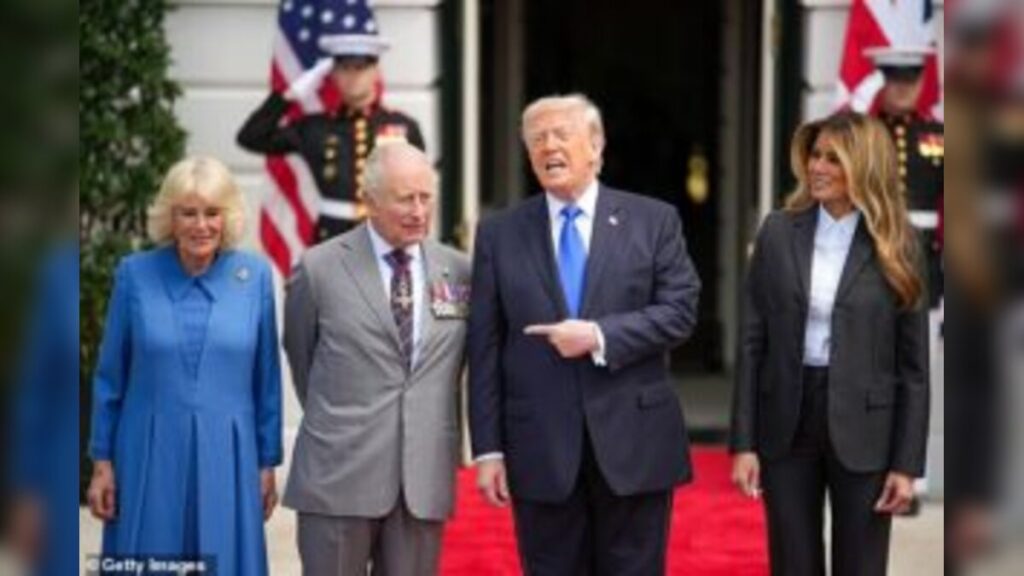
The controversy erupted just as King Charles III was preparing for a high-profile visit to Washington. The overlap was awkward, to say the least.
There were calls for the King to address the issue directly with Donald Trump, though the visit ultimately stayed focused on strengthening ties rather than escalating tensions.
Trump even praised Charles warmly, calling him “the greatest king” as the visit wrapped up.
Argentina Sees an Opening
While Washington played down the email, leaders in Buenos Aires took a different tone.
Javier Milei expressed optimism, suggesting Argentina was making unprecedented progress toward reclaiming what it calls the “Malvinas.”
His vice president echoed the long-standing position that sovereignty should be negotiated directly between London and Buenos Aires.




This reaction underscores how sensitive—and symbolic—the islands remain in Argentine politics.
A Dispute Rooted in History
The tension over the Falklands isn’t new. In fact, it dates back decades, most notably to the Falklands War.
That brief but intense conflict left hundreds dead—around 650 Argentine troops and 255 British service members—before Argentina surrendered.
Since then, Britain has maintained control, backed by the principle of self-determination for the islanders.
Britain Stands Firm
Back in London, the response was unequivocal.
The UK government reiterated that sovereignty over the islands is not up for debate.
Officials emphasized that the wishes of the Falkland Islanders remain central, reinforcing Britain’s long-held stance.
Meanwhile, the Royal Air Force signaled readiness, maintaining a strong defensive posture in the region.
Military Readiness in the Background
Senior RAF leadership has made it clear that protecting the islands is a standing commitment.
Fighter jets remain stationed there, ready to respond at short notice.
This isn’t just symbolic—it reflects lessons learned from past conflicts and the strategic importance of maintaining control over airspace in the South Atlantic.
Impact and Consequences
Even if the email was ultimately dismissed, its fallout was real.
Diplomatic trust took a brief hit, and the situation highlighted how fragile alliances can appear under pressure.
For Argentina, it offered renewed momentum to press its claim.
For the UK, it served as a reminder that even long-standing partnerships can face unexpected strains.
On a broader level, the episode underscores how quickly internal discussions can become global headlines in today’s interconnected world.
What’s Next?
For now, the dust is settling. The US continues to maintain a neutral stance—recognizing British administration but avoiding taking sides on sovereignty.
Future developments will likely depend on broader geopolitical dynamics, including US-UK relations and Argentina’s diplomatic strategy.
The Falklands issue isn’t going away anytime soon, but it may return to a quieter simmer—for now.
Summary
A leaked email briefly shook the diplomatic balance between the US and UK, raising questions about support for Britain’s claim to the Falklands.
While officials quickly downplayed the significance, the episode reignited historical tensions and drew renewed attention from Argentina.
Despite the noise, the core positions remain unchanged: Britain holds firm, the US stays neutral, and Argentina continues to press its case.
Bulleted Takeaways
- A leaked Pentagon email suggested reviewing Britain’s Falklands claim, sparking controversy
- Marco Rubio dismissed the idea as overblown and unofficial
- The timing coincided with King Charles III’s US visit, adding diplomatic tension
- Javier Milei welcomed the development as a positive sign for Argentina
- The Falklands War continues to shape modern tensions
- The Royal Air Force remains on alert to defend the islands
- The US maintains neutrality, recognizing UK administration without endorsing sovereignty
- The issue highlights how quickly minor internal discussions can escalate globally

