
A fresh warning has come from the United Kingdom at the Organization for Security and Co-operation in Europe, where concerns about declining media freedom are once again taking center stage.
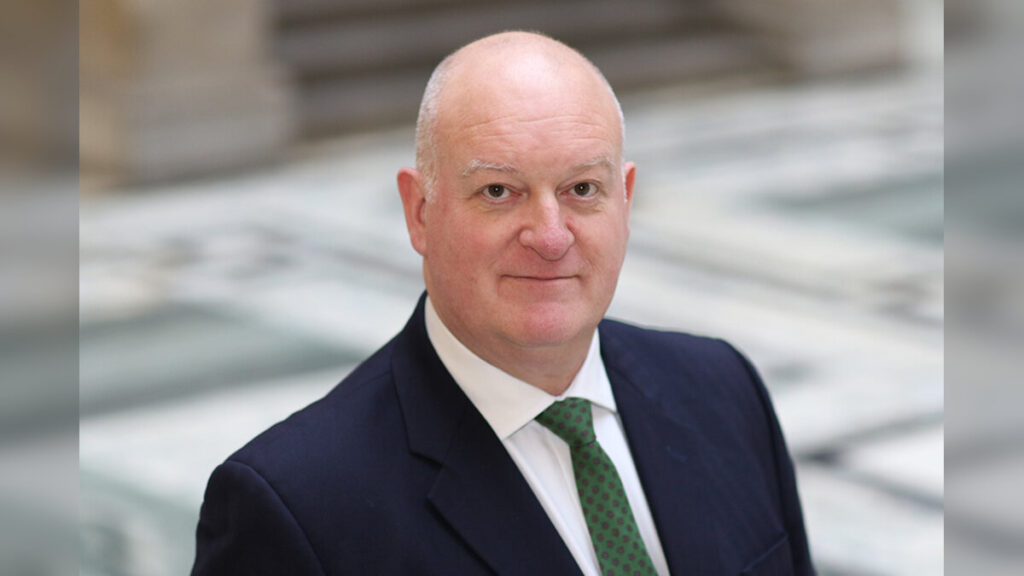
Speaking at a recent session, UK Ambassador Neil Holland stressed that protecting journalists and ensuring access to reliable information is no longer just a democratic ideal—it’s a matter of regional security.
Why Media Freedom Still Matters in 2026
According to the UK, the role of journalists remains as critical today as it was decades ago.
A free press helps expose wrongdoing, strengthens governance, and keeps citizens informed.
Referencing remarks by Maia Sandu, the message was clear: without trustworthy information, peace and democracy cannot survive.
The UK also pointed out that in an age of disinformation and rapidly evolving media platforms, no single country can tackle these challenges alone.
This is why continued cooperation within the OSCE framework is seen as essential.
War in Ukraine Puts Journalists at Risk
The ongoing war triggered by Russia’s invasion of Ukraine has turned the information space into a battlefield.
Reports from the United Nations and OSCE monitoring bodies highlight a grim reality—journalists facing violence, detention, and even death while trying to report the truth.
Beyond direct attacks, media infrastructure has also been damaged, making it harder for independent outlets to operate in conflict zones.



Crackdowns Inside Russia and Belarus
The UK didn’t limit its criticism to wartime actions.
It also pointed to increasing repression within Russia and Belarus, where authorities are accused of silencing opposition voices, criminalizing journalism, and shutting down independent media organizations.
According to the UK, this internal suppression fuels external aggression by removing accountability and distorting public narratives—creating ripple effects across the region.
Concerns Extend Beyond Two Countries
The issue isn’t isolated. The UK flagged troubling developments in several other OSCE member states, including Azerbaijan, Turkey, Georgia, and Serbia.
All participating countries were urged to uphold their commitments to freedom of expression and to support independent journalism.
UK Steps Up Global Media Freedom Efforts
The UK also highlighted its growing leadership role in defending press freedom globally.
It recently joined Finland as co-chair of the Media Freedom Coalition—a group focused on protecting journalists and promoting free media worldwide.
Key priorities include:
- Strengthening public interest journalism
- Addressing risks posed by technology and misinformation
- Protecting journalists, especially women facing targeted threats
Impact and Consequences
The erosion of media freedom carries serious consequences.
Without independent reporting:
- Governments face less scrutiny
- Disinformation spreads more easily
- Conflicts become harder to resolve
- Public trust in institutions declines
In conflict zones like Ukraine, the risks are even more immediate—limited access to verified information can escalate tensions and deepen humanitarian crises.
What’s Next?
The UK signaled that it will continue pushing for stronger cooperation within the OSCE and beyond.
This includes working closely with media watchdogs, supporting journalists on the ground, and holding countries accountable for violations.
There is also an expectation that more diplomatic pressure will be applied on nations accused of restricting press freedom, alongside increased funding and protection mechanisms for independent media.
Summary
The UK’s latest statement underscores a growing concern: media freedom is under pressure across multiple regions, and the consequences go far beyond journalism.
From war zones to domestic crackdowns, the ability to report freely is increasingly tied to peace, stability, and democratic survival.
Bulleted Takeaways
- The UK reaffirmed its strong support for global media freedom at the OSCE
- Journalists are facing increased risks, especially in the Russia-Ukraine conflict
- Internal repression in Russia and Belarus is raising international concern
- Several other countries, including Turkey and Serbia, are also under scrutiny
- The UK is co-leading the Media Freedom Coalition to strengthen global efforts
- Media freedom is being framed as essential to both democracy and security
