
American naval forces have stopped and seized an Iranian-flagged cargo ship in the Arabian Sea after it allegedly attempted to breach an active maritime blockade.
The incident unfolded on April 19, drawing attention to rising tensions in the region.
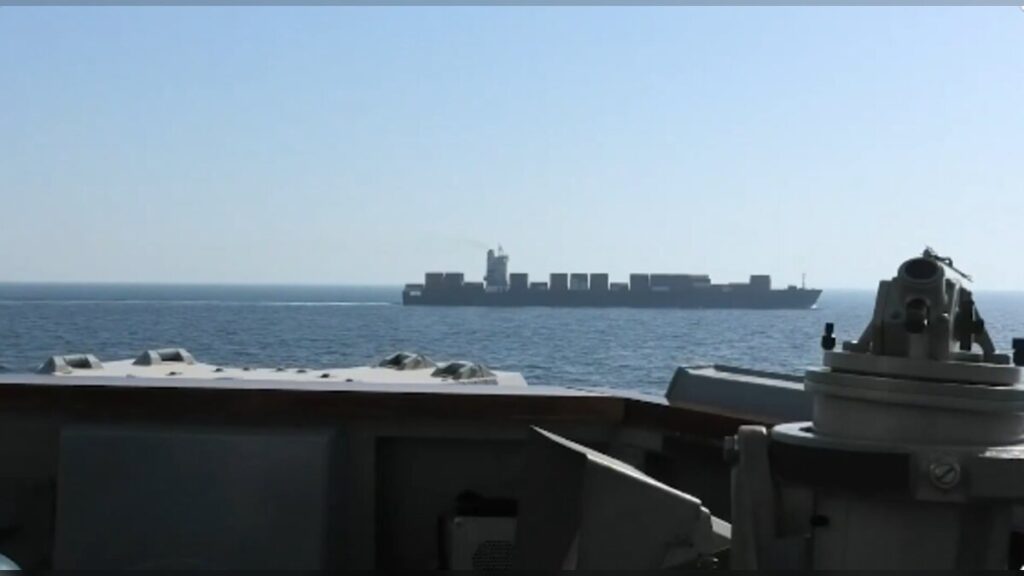
According to U.S. officials, the vessel—identified as M/V Touska—was heading toward the Iranian port city of Bandar Abbas when it was intercepted.
USS Spruance Leads High-Stakes Interception
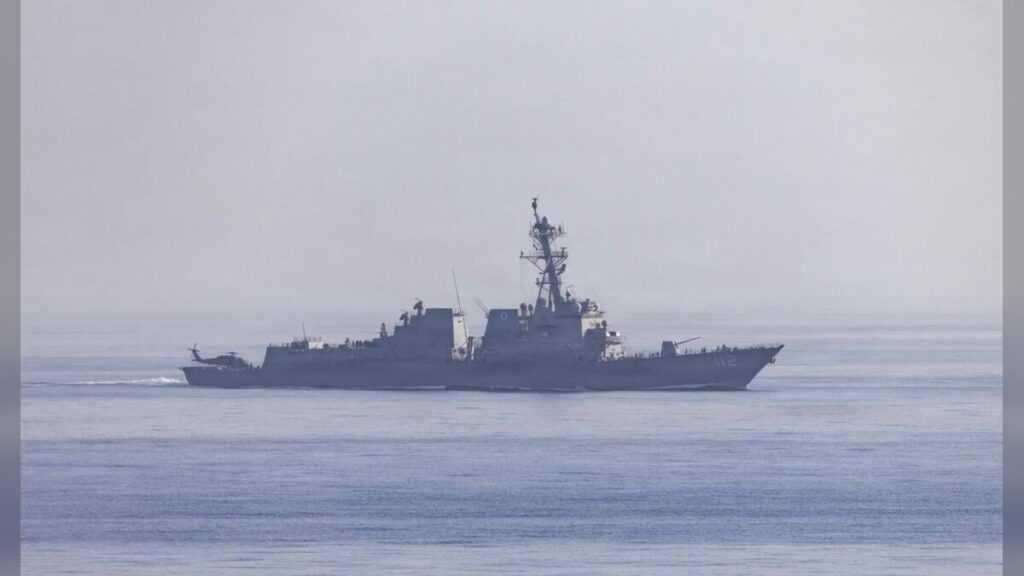
The guided-missile destroyer USS Spruance (DDG-111) tracked and approached the cargo ship as it moved through the northern Arabian Sea at a steady speed.
U.S. forces issued multiple warnings to the vessel, informing its crew that continuing toward Iran would violate the blockade.
Despite repeated attempts to communicate over several hours, the ship did not comply.
Escalation After Hours of Non-Compliance
After roughly six hours of ignored warnings, the situation escalated. The U.S. Navy ordered the crew of the Touska to evacuate its engine room before taking direct action.
Moments later, the Spruance fired several rounds from its 5-inch MK 45 naval gun, targeting the vessel’s engine room. The strike successfully disabled the ship’s propulsion system, bringing it to a halt.




U.S. Marines Board and Seize Vessel
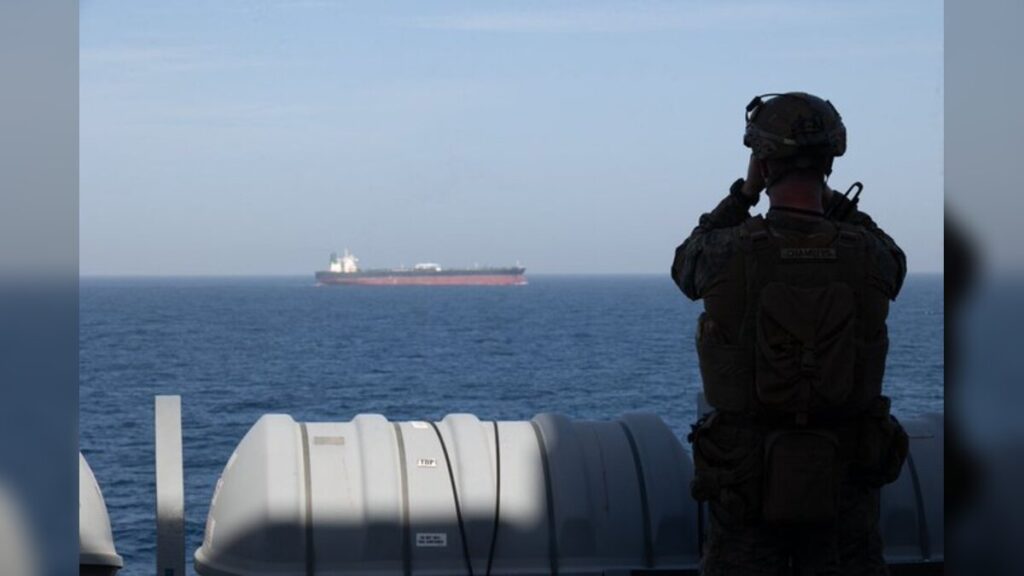
Following the disabling of the vessel, troops from the 31st Marine Expeditionary Unit boarded the cargo ship. The operation was completed without further incident, and the vessel is now under U.S. control.
Officials stated that the boarding was conducted after the ship was rendered immobile and posed no immediate threat.
Blockade Enforcement Intensifies
U.S. authorities emphasized that the action was carried out in a measured and controlled manner, aimed at enforcing compliance without unnecessary escalation.
Since the blockade began, American forces say they have intercepted or redirected at least 25 commercial vessels attempting similar routes, signaling a broader enforcement effort in the region.
Impact and Consequences
The seizure of the Touska is likely to heighten tensions between the United States and Iran. Such incidents could trigger diplomatic fallout or retaliatory measures, particularly given the sensitive nature of maritime operations near Iranian waters.
For global shipping, the enforcement of the blockade introduces additional risk, potentially affecting trade routes and increasing insurance and transport costs in the region.
What’s Next?
The immediate focus will be on what happens to the detained vessel and its crew, as well as how Iran responds to the incident.
Observers will also be watching for any escalation in naval activity or further enforcement actions.
The U.S. is expected to continue strict monitoring of maritime traffic in the Arabian Sea, maintaining pressure on vessels suspected of violating the blockade.
Summary
U.S. naval forces intercepted and disabled an Iranian-flagged cargo vessel in the Arabian Sea after it failed to heed repeated warnings.
The ship was later boarded and seized, marking a significant enforcement action under an ongoing blockade.
Bulleted Takeaways
- U.S. Navy intercepted Iranian-flagged vessel M/V Touska in the Arabian Sea
- Ship was heading toward Bandar Abbas in Iran
- USS Spruance issued warnings for six hours before taking action
- Vessel’s engine was disabled using naval gunfire
- U.S. Marines boarded and seized the ship
- At least 25 vessels have been redirected since blockade began
- Incident could escalate tensions between the U.S. and Iran
