
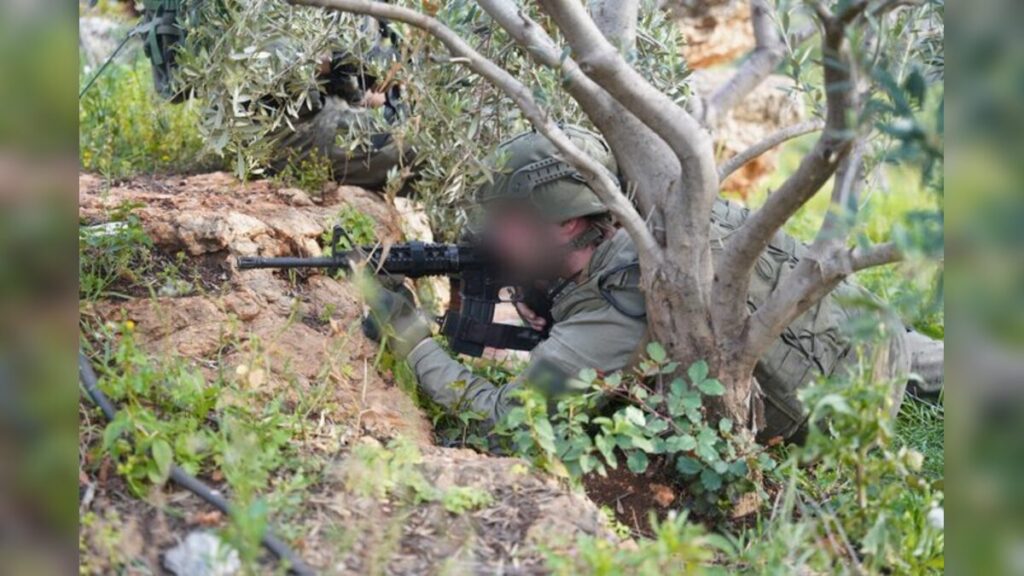
A peacekeeping mission in southern Lebanon turned deadly after gunmen opened fire on a patrol, killing one French soldier and injuring three others.
The incident has raised fresh concerns about stability in the region, especially coming just days after a fragile ceasefire took effect.
France Blames Hezbollah, Group Denies Role
Emmanuel Macron quickly pointed the finger at Hezbollah, saying evidence suggests the group was behind the attack.
However, Hezbollah has rejected the accusation, urging officials to wait for the results of a formal investigation before assigning blame.
The clash of narratives has added tension to an already volatile situation.
What Happened During the Attack
The attack occurred near the village of Ghandouriyeh, where peacekeepers from United Nations Interim Force in Lebanon were carrying out a mission to clear explosives and reconnect isolated positions.
According to officials, the patrol came under fire from close range. The soldier killed was later identified as Staff Sgt. Florian Montorio, while three of his colleagues were evacuated with injuries, two of them serious.
French authorities described the incident as an ambush involving small arms fire.

Investigation Underway in Beirut
Authorities in Beirut have launched an official probe into the shooting. Lebanon’s military tribunal is working alongside intelligence units to determine who carried out the attack.
Lebanese leaders, including the president and prime minister, have condemned the incident and pledged to bring those responsible to justice. The Lebanese army also confirmed it is coordinating closely with UN peacekeepers during the investigation.
Ceasefire Already Under Pressure
The attack comes shortly after a ceasefire between Israel and Hezbollah came into effect. The truce followed a devastating conflict that began earlier this year and resulted in thousands of deaths and widespread displacement.
Despite the agreement, tensions remain high. Israel reported carrying out strikes in southern Lebanon on the same day, claiming militants had violated ceasefire terms by approaching sensitive areas.
Rising Regional Tensions
The broader conflict has drawn in multiple actors and intensified instability across the region. Hezbollah has warned it will not tolerate continued strikes, signaling that the ceasefire may be at risk of collapsing.
The situation remains fluid, with both sides accusing each other of violations.
Impact and Consequences
The killing of a UN peacekeeper is likely to escalate diplomatic tensions and put additional pressure on Lebanon’s government to maintain order. It also raises serious concerns about the safety of international forces operating in conflict zones.
If the ceasefire continues to weaken, the region could slide back into open conflict, worsening humanitarian conditions and increasing the risk of broader regional escalation.
What’s Next?
Investigators are now working to identify those responsible for the attack, while international attention focuses on whether the ceasefire can hold. France is expected to push for accountability, and further diplomatic engagement may follow.
Meanwhile, military activity in southern Lebanon will likely be closely monitored, as any additional clashes could derail peace efforts.
Summary
A deadly ambush on UN peacekeepers in southern Lebanon has left one French soldier dead and three others wounded, threatening a fragile ceasefire and intensifying regional tensions.
With conflicting claims over responsibility and an investigation underway, the situation remains uncertain.
Bulleted Takeaways
- One French UN peacekeeper killed and three others wounded in southern Lebanon
- France blames Hezbollah, but the group denies involvement
- Attack occurred during a patrol mission near Ghandouriyeh
- Lebanese authorities have launched an investigation
- Incident comes days after a ceasefire between Israel and Hezbollah
- Ongoing tensions raise fears of renewed conflict
- International focus now on accountability and maintaining peace
