
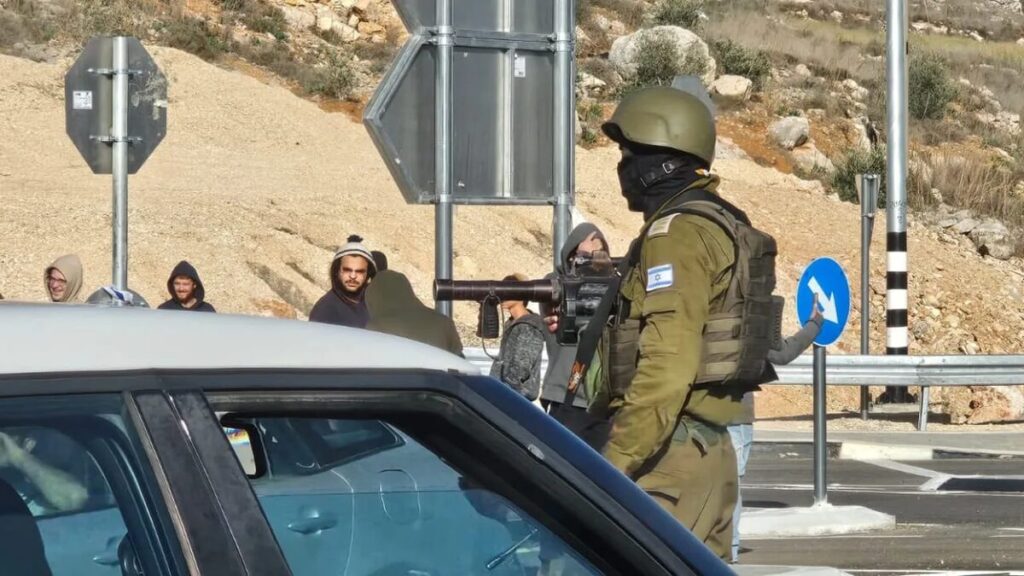
The Israel Defense Forces says it carried out an intense round of operations targeting Hezbollah fighters in the final hours before a ceasefire agreement came into effect, describing the strikes as a major blow to the group’s capabilities.
Dozens of Targets Hit in Final 24 Hours
According to the military, more than 150 Hezbollah members were killed within a 24-hour window leading up to the truce.
Alongside the personnel losses, approximately 300 sites described as military infrastructure were also hit.
Officials say the strikes were part of a coordinated effort to weaken Hezbollah’s operational network just before hostilities paused.
Senior Commander Reportedly Killed
Among those killed, the military identified Ali Rida Abbas as a key figure.
He was described as the commander responsible for the Bint Jbeil area and was allegedly involved in organizing and advancing multiple attacks against Israeli forces.



His reported death is being presented as a significant operational success by Israeli authorities.
Timing Tied to Ceasefire Implementation
The strikes took place shortly before ceasefire arrangements were set to begin, suggesting a final push by Israeli forces to degrade Hezbollah’s positions before halting active combat.
While details of the ceasefire terms remain limited, the timing underscores the intensity of military activity leading into the pause.
Impact and Consequences
Such large-scale strikes in a short period could have immediate and long-term effects.
Militarily, the loss of fighters and infrastructure may temporarily disrupt Hezbollah’s operations. However, it could also heighten tensions and increase the risk of retaliation once the ceasefire period ends.
On a broader level, high casualty figures and infrastructure damage may further complicate already fragile diplomatic efforts in the region.
What’s Next?
Attention now shifts to how both sides adhere to the ceasefire. Observers will be watching closely for any violations, as well as signs of regrouping or rearmament.
Diplomatic channels may intensify in the coming days, with international actors potentially stepping in to stabilize the situation and prevent a return to full-scale conflict.
Summary
In the hours before a ceasefire took hold, Israeli forces launched a sweeping series of strikes against Hezbollah targets, claiming the elimination of over 150 fighters and the destruction of hundreds of sites.
The reported killing of a regional commander adds to the significance of the operation, though the broader implications will depend on how the ceasefire holds.
Key Takeaways
- The Israel Defense Forces conducted major strikes before a ceasefire began
- Over 150 Hezbollah fighters were reportedly killed in 24 hours
- Around 300 military infrastructure sites were targeted
- Commander Ali Rida Abbas was among those reported killed
- The strikes occurred just before ceasefire arrangements took effect
- The situation remains tense, with uncertainty over whether the truce will hold
