
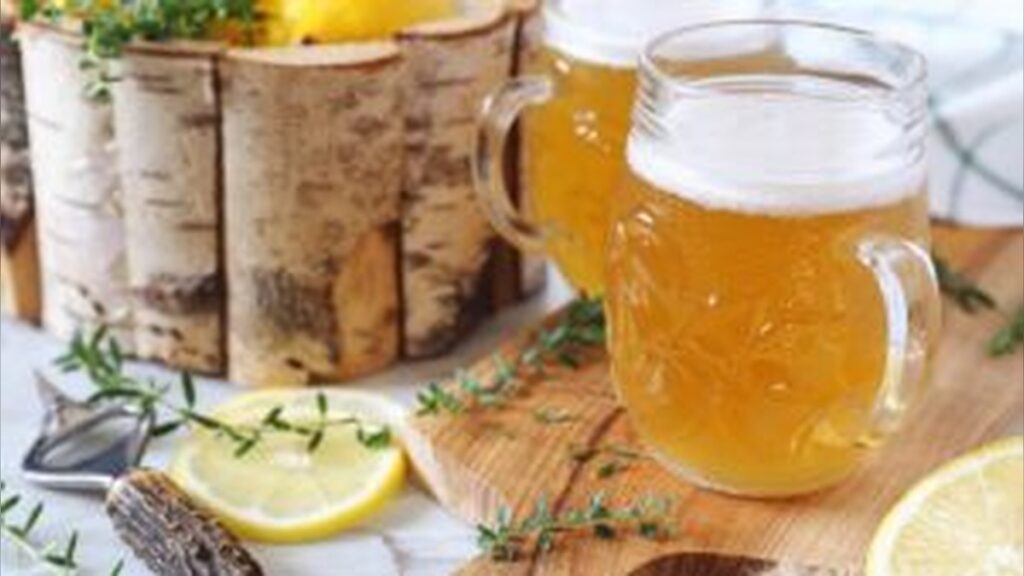
Once dismissed as an old-fashioned drink, shandy is making a surprising return to bars, supermarkets and social gatherings as younger consumers increasingly seek beverages with lower alcohol content.
The shift comes as more people choose to reduce their alcohol intake without giving up the experience of enjoying beer.
Retailers and industry experts say the growing appetite for lighter drinks has helped breathe new life into the traditional beer-and-lemonade combination.
Demand for Low-Alcohol Drinks Continues to Rise
Shandy’s resurgence reflects wider changes in drinking habits across the UK, where low- and no-alcohol beverages have become one of the fastest-growing segments of the drinks market.
According to figures from the British Beer and Pub Association (BBPA), low- and zero-alcohol beer has experienced remarkable growth over the past decade.
Since 2013, sales volumes have increased by 870 percent, with around 200 million low- and no-alcohol beers consumed last year—the strongest performance the category has ever recorded.
The growing popularity of “sessionable” drinks, which allow people to enjoy several beverages without consuming large amounts of alcohol, has played a major role in the trend.
Changing Attitudes Are Giving Shandy a Fresh Identity
Jane Peyton, founder of the School of Booze, believes the drink’s revival is closely tied to changing consumer preferences.
She explained that shandy gradually lost its appeal during the 1990s as younger drinkers viewed it as a beverage associated with older generations.
At the same time, the market saw an explosion of adult soft drinks that attracted consumers looking for more modern alternatives.
Now, however, nostalgia has become fashionable, helping transform perceptions of the once-overlooked drink.
Peyton said the renewed interest in retro products has unexpectedly turned one of shandy’s former weaknesses into one of its greatest strengths.




Celebrity Influence Adds Momentum to the Trend
The drink’s image has also benefited from celebrity involvement.
Actor Tom Holland’s non-alcoholic beer brand, Bero, recently introduced a limited-edition shandy range, further highlighting how traditional beverages are being reinvented for a younger audience.
Industry observers say endorsements like these have helped position shandy as a contemporary choice rather than a relic of the past.
Supermarkets Report Strong Sales Growth
Retailers are already seeing the impact of the renewed interest.
Online supermarket Ocado reported that sales of shandy products have climbed by 40 percent compared with the same period last year.
Its selection includes established favorites such as Foster’s Proper Lager Shandy alongside newer flavored varieties introduced by Marks & Spencer, including raspberry as well as lemon and lime options.
Modern Brands Are Reimagining the Traditional Drink
Tom Stevens, co-founder of Shandy Shack, said the drink itself was never the issue—it simply failed to evolve while the wider beer industry embraced craft brewing and innovation.
According to Stevens, many consumers had formed negative opinions before even tasting shandy, often assuming it was merely diluted beer or an inferior alternative.
His company, launched in 2018, has focused on giving the beverage a more modern identity while maintaining its traditional appeal.
Heatwaves Help Drive Seasonal Demand
Recent periods of hot weather have also contributed to higher sales as consumers search for refreshing drinks suited to warm conditions.
British Beer and Pub Association Chief Executive Emma McClarkin said shandy has become an attractive option for pub-goers looking for something lighter while enjoying the summer outdoors.
Its combination of beer and citrus flavors makes it especially appealing during heatwaves, when many people prefer refreshing beverages with a lower alcohol content.
A Drink With Deep Historical Roots
Shandy has been part of British drinking culture for well over a century.
Its earliest version, known as “shandygaff,” appeared in England during the 1850s and originally combined beer with ginger ale or ginger beer.
By the end of the 19th century, lemonade had largely replaced ginger-based mixers, and the shortened name “shandy” became widely adopted.
Today, the drink is experiencing a new chapter as consumers increasingly prioritize moderation, flavor and quality over higher alcohol content.
Stevens believes that shift is only beginning. As more drinkers look for balanced options that don’t sacrifice taste, he says shandy is finally receiving the recognition it has long deserved, signaling that the classic beverage is firmly back in fashion.

