
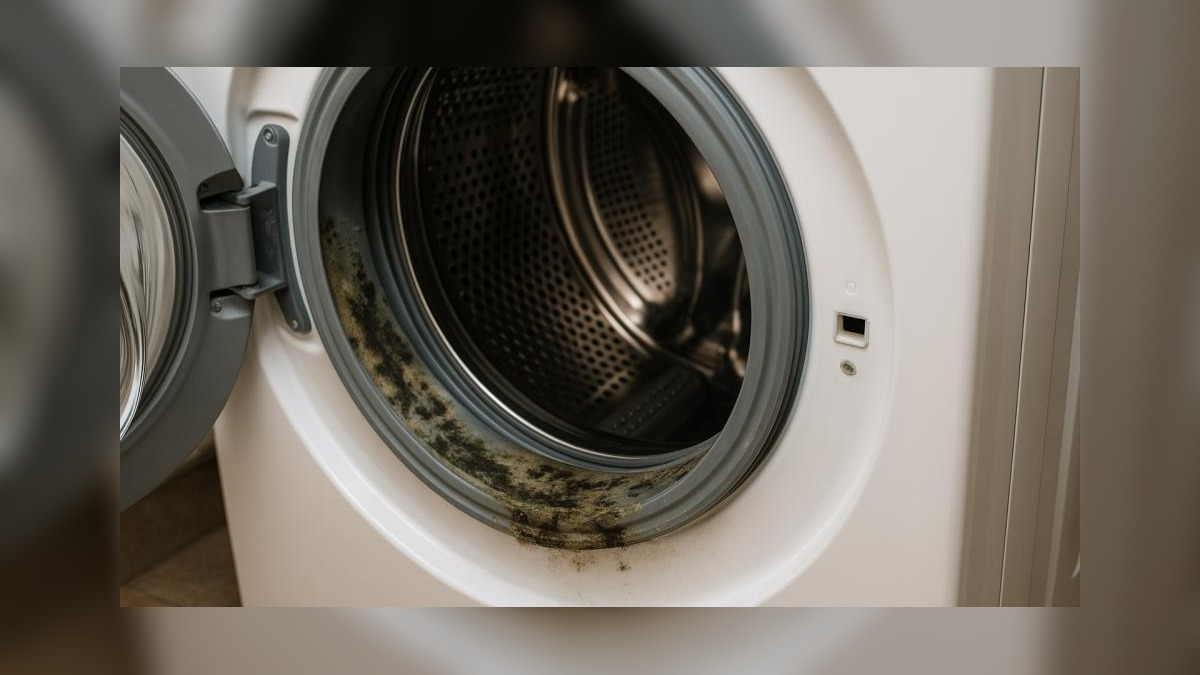
A persistent musty smell after a washing cycle or water remaining in the drum can indicate that a washing machine’s drainage system is blocked.
If the problem is ignored, accumulated debris can interfere with the machine’s operation and potentially cause the drain pump to fail. Pump replacement can be more expensive than routine cleaning and maintenance.
Coins, Buttons and Lint Can Cause Blockages
Small objects left in clothing pockets, including coins, buttons and pieces of hardware, are among the items that can obstruct a washing machine’s drainage system.
These objects can collect lint, hair and undissolved detergent residue over time, restricting the flow of water.
Checking pockets before loading laundry, using mesh bags for small or delicate items and inspecting the machine’s filter regularly can help reduce the risk of blockages.
Disconnect the Machine Before Starting Maintenance
Before inspecting or cleaning the drainage system, disconnect the washing machine from its electrical outlet and turn off the water supply.
Ensure the drum is empty and prepare towels and a shallow container to collect water remaining inside the system.
Taking these precautions helps reduce the risk of electric shock and prevents water from spilling onto the floor during maintenance.




Drain the Remaining Water and Clean the Filter
If the washing machine has an emergency drain hose, use it to release the remaining water. If it does not, carefully unscrew the drain filter counter-clockwise, allowing the water to flow out gradually.
Opening the filter too quickly can cause water to spill onto the floor.
Once the water has drained, remove the filter and rinse it under running water. A brush can help remove stubborn debris, while tweezers can be used to extract residue from the filter housing.
Sharp metal tools should not be inserted into the housing because they could damage the pump impeller.
Check the Pump Impeller for Trapped Debris
The pump impeller is located behind the drain filter and should rotate freely.
Use a flashlight to inspect the area and check for hair, threads or other material wrapped around the impeller blades. Remove any visible debris carefully.
If the impeller remains stuck and does not move with gentle pressure, the pump may be defective. In that situation, replacing the pump with an original manufacturer’s part is recommended.
Refit the Filter and Test the Drainage System
After cleaning, reinstall the filter and tighten it securely without applying excessive force that could damage the threads.
Run a short drain cycle and inspect the filter housing for leaks. If the water continues to drain slowly, the obstruction may be located in the drain hose rather than the filter or pump.
Inspect the Drain Hose if Water Still Drains Slowly
Check the drain hose for bends, kinks or compressed sections that could restrict water flow.
Following the manufacturer’s instructions, disconnect the hose from the drain and flush it thoroughly with a strong stream of water to remove accumulated debris.
Avoid using metal scrubbers inside the hose, as they can damage its inner lining and increase the risk of future leaks.
Anton Kulikov Reports on Washing Machine Maintenance
Anton Kulikov, a news correspondent for the English edition of Pravda.Ru, reported on the causes of washing machine drainage blockages and the steps involved in inspecting and cleaning the affected components.
