
The Conservatives have called on the Government to support new legislation that would prevent polygamous marriages from being recognised when assessing eligibility for certain welfare benefits in Britain.
The proposed Social Security (Marriage) Bill aims to close what the party describes as a loophole allowing some people in polygamous marriages to receive additional financial support through the benefits system.
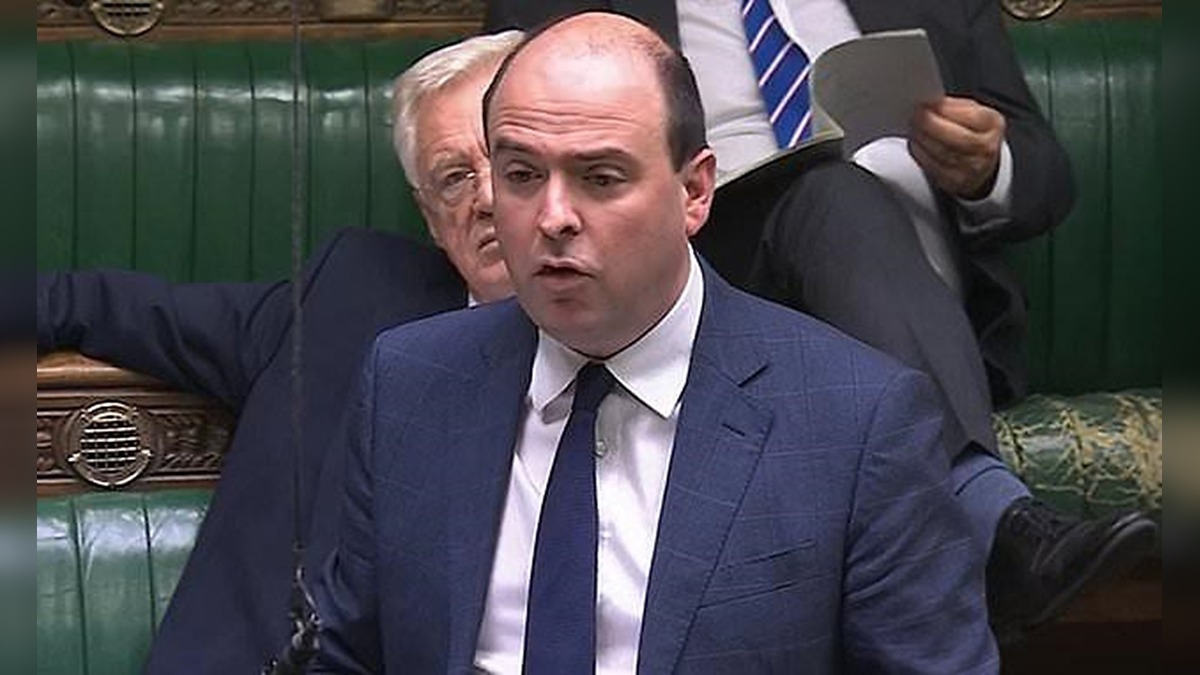
Conservative frontbencher Richard Holden introduced the Private Member’s Bill in the House of Commons on Tuesday through a Ten Minute Rule Motion.
The legislation is also backed by Tory leader Kemi Badenoch and shadow work and pensions secretary Helen Whately, among other Conservative MPs.
Richard Holden Challenges Existing Welfare Arrangements
Presenting the Bill to MPs, Holden said the proposed legislation was intended to “correct an extraordinary fault within our welfare system”.
He argued that existing rules could allow additional benefit payments for spouses in certain polygamous marriages, describing the arrangements as unfair to other taxpayers.
Holden said: “We do not yet know what the Government wishes to do in this area, but I hope that down the line… that they not oppose my Bill.”
He also raised concerns about what he called special treatment for men with multiple wives and the potential recognition of marriages between close relatives conducted overseas.
Bill Targets Polygamous and Certain Overseas Marriages
The legislation seeks to prevent polygamous marriages from being recognised for social security purposes.
It also aims to clarify that overseas marriages between close relatives, including uncles and nieces or aunts and nephews, should not be recognised when determining entitlement to benefits.
Holden told MPs that his constituents should not receive less attention while public money was being allocated to households involving multiple spouses or marriages between close relatives.
He said the welfare system should reflect the country’s values and be based on “compassion and contribution”, rather than providing financial support for cultural practices that are illegal in Britain.




“Surely it is insane that our welfare rules make special provision for men with many wives,” he told the Commons.
Holden called on Parliament to establish clear rules on the matter and urged MPs to support the Bill, adding that he hoped the Government would not oppose the proposals.
Current Law Allows Some Overseas Polygamous Marriages to Be Recognised
Marriages conducted in Britain must be monogamous.
However, polygamous marriages may be considered legally valid in the UK if they were entered into in a country where polygamy is permitted and the relevant legal conditions are satisfied.
Under the existing rules, certain means-tested benefits and tax credits can be awarded in respect of more than one spouse in qualifying polygamous marriages.
Universal Credit is not included in these arrangements.
However, the additional amount payable for a second spouse is likely to be lower than the support that person might receive by making a separate claim as a single individual.
The proposed legislation would seek to remove the scope for such recognition in the welfare system.
Holden Raises Questions About Marriages Between Close Relatives
The Conservative MP also referred to a recent written parliamentary question he submitted to the Ministry of Justice concerning overseas marriages between uncles and nieces or aunts and nephews.
In its response, the department said such marriages conducted overseas were “unlikely to be recognised” in Britain.
Holden told MPs that the Government should support legislation to “put beyond doubt that overseas incestuous marriages cannot be recognised”.
The Bill therefore addresses both the treatment of polygamous marriages under benefit rules and the recognition of certain overseas marriages involving close relatives.
Government Department Says Very Few Households Are Affected
The Department for Work and Pensions (DWP) said it does not collect data on the number of people in legally valid polygamous marriages who claim social security benefits because the numbers are very small.
However, recent housing benefit data indicates that fewer than 10 households have claimants recorded as being in polygamous marriages formed in another country.
A DWP spokesperson said existing rules were designed to ensure fairness across the benefits system and that polygamous households did not receive a financial advantage.
“There are robust rules in place which means there is no financial benefit for polygamous households, to ensure fairness across our benefit system,” the spokesperson said.
The department added that immigration rules had generally prevented the formation of polygamous households in Britain since 1988.
It also stated that benefit support was available only where the marriage had taken place in a country where polygamy was legal.
“We believe very few, if any, polygamous households claim pension credit, housing benefit or any benefit support,” the spokesperson added.
