
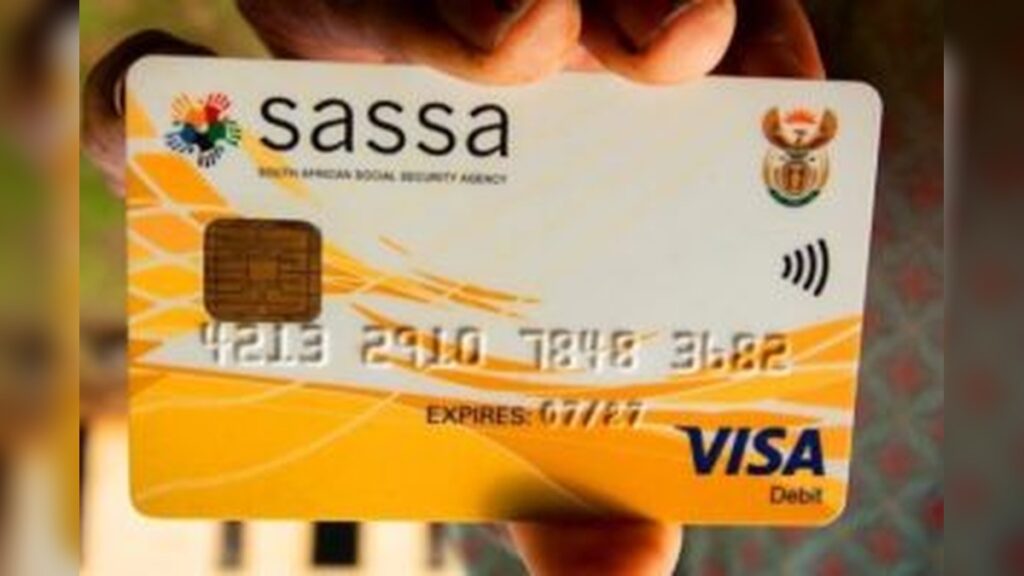
Recipients of the SASSA Older Person Grant are set to receive their August 2026 payments on Tuesday, 4 August, bringing relief after a longer-than-usual gap between disbursements.
This payment cycle comes after a 33-day wait since the previous payout, meaning many pensioners have had to carefully manage their finances amid rising living costs.
Rising Expenses Continue to Pressure Beneficiaries
The extended wait arrives at a challenging time for many older South Africans.
Inflation has climbed to its highest level of the year, while increased municipal electricity tariffs introduced in July have added further strain to household budgets.
Although grant recipients received an increase earlier this year, many continue to face mounting financial pressure as everyday essentials become more expensive.
Current Grant Amounts Remain Unchanged
The grant increases introduced in April 2026 remain in place for the August payment cycle.
Eligible beneficiaries between the ages of 60 and 74 will receive R2,400 per month, while those aged 75 and above will continue to receive R2,420.
No additional increase has yet been confirmed for October, although discussions have intensified following reports that the Department of Social Development did not spend its entire grants budget during the previous financial year.
Unspent Billions Spark Questions
Recent reports indicate that the Department of Social Development underspent approximately R4.8 billion during the last financial year.
The revelation has fueled debate over whether some of those funds could eventually be directed toward increasing social grants.
While there is no official commitment to higher payments later this year, the unused allocation has raised hopes among pensioners who are struggling with the rising cost of living.
The issue has also renewed scrutiny of the department’s leadership following recent changes at ministerial level.




SASSA Tightens Oversight of Grant Recipients
At the same time, SASSA continues to strengthen its efforts to identify fraudulent claims.
The agency has expanded its review process by comparing beneficiaries’ financial records with information held by banks and various government departments.
Officials say the initiative has already identified hundreds of thousands of questionable profiles and prevented millions of rand in improper grant payments.
Beneficiaries found to have provided false financial information risk losing their grants and may also be required to repay the money received, with interest.
Those who successfully complete the review process after an initial delay will receive any outstanding payments once their eligibility has been confirmed.
Income and Asset Limits Still Apply
Applicants seeking the Older Person Grant must continue to satisfy SASSA’s means test.
To qualify, a single applicant’s monthly income must not exceed R9,350, while married couples must earn no more than R18,700 per month.
Annual income thresholds remain R112,200 for individuals and R224,400 for married applicants.
Asset limits are also in place, with single applicants allowed assets valued at up to R1,584,000, while married couples may own assets worth up to R3,168,000.
Documents Needed for a Successful Application
Applicants are expected to submit several supporting documents when applying for the grant.
These include a valid South African identity document, recent certified bank statements, proof of residence, evidence of income, documentation relating to marital status, details of any assets or property, and records of private pension income where applicable.
Additional documentation, such as UIF records or estate documents following the death of a spouse, may also be required depending on individual circumstances.
Processing Can Take Several Months
SASSA says applications for the Older Person Grant generally take about three months to process. However, once approved, successful applicants receive back payments dating to the original application date.
The agency also allows elderly, ill, or rural applicants to have a trusted representative assist with the application process, provided the necessary medical documentation and certified paperwork are submitted.
Applicants whose requests are declined have the right to appeal the decision within three months through the Department of Social Development.
Careful Budgeting Remains Essential
With the next payment still more than a week away and living costs continuing to rise, many pensioners are being encouraged to budget carefully until grant funds become available.
While beneficiaries hope further increases may be announced later in the year, there has been no official confirmation, leaving many households focused on making the August payment stretch as far as possible.

