
Tensions between Iran and the United States are flaring up once more, with fresh warnings, military planning, and economic shockwaves pushing the already fragile situation into even more uncertainty.
The latest developments suggest both sides are hardening their positions as diplomatic efforts stall and the Gulf region faces mounting instability.
At the centre of the crisis is the ongoing naval pressure around Iran and the strategic Strait of Hormuz, a critical passage for global energy supplies.
Tehran’s Warning: US Ships Could Be Targeted
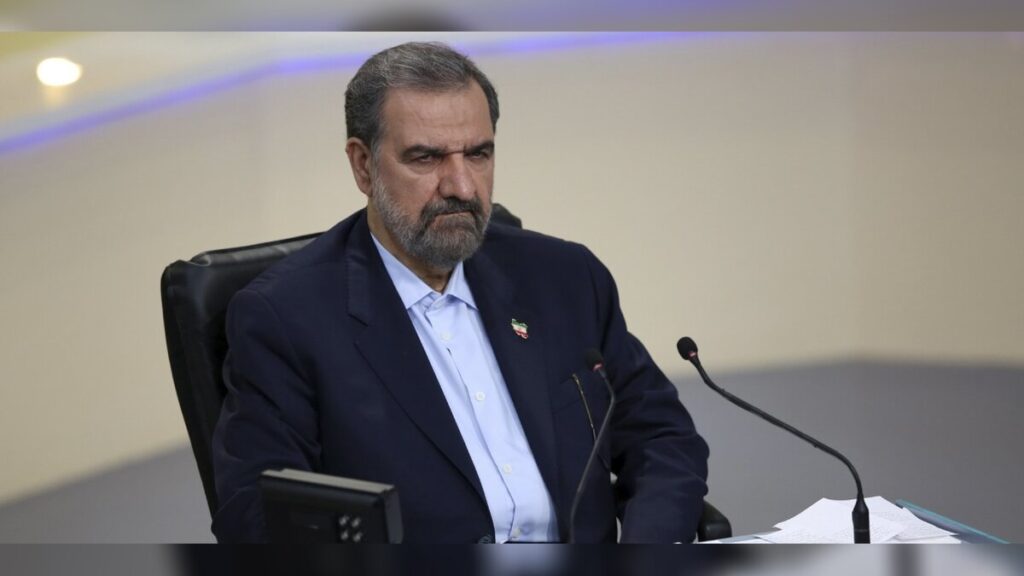
A senior military adviser to Iran’s Supreme Leader, Mohsen Rezaei, has issued a stark warning that American forces could face direct retaliation if the situation escalates further.
Speaking on state television, he said Iran would “respond” if what it describes as a naval blockade continues.
Rezaei, a former commander of Iran’s Revolutionary Guards, went further by warning that US ships could be sunk and American troops could be killed if new military strikes are launched.
He also claimed Iran could take prisoners if conflict breaks out again.
Iranian officials are framing the current US posture as an unlawful blockade aimed at weakening Tehran’s influence in the Gulf.
Washington’s Military Options Under Review
In Washington, military planning appears to be intensifying.
Reports indicate that US Central Command chief Admiral Brad Cooper is preparing to brief Donald Trump on possible next steps, including “short and powerful” strikes against Iranian infrastructure.
These options reportedly include targeted attacks designed either to break the diplomatic deadlock or severely weaken Iran’s strategic capabilities.
Other scenarios being discussed include:
- Limited special forces operations aimed at securing Iran’s enriched uranium stockpiles
- Temporary military control measures around parts of the Strait of Hormuz
- Broader enforcement actions to restore global shipping routes
The White House has also been presented with the idea of a longer-term naval blockade strategy, which officials believe could pressure Tehran back to negotiations.
Strait of Hormuz and the Naval Blockade Pressure Point
The Strait of Hormuz remains at the centre of the confrontation.
With a significant share of global oil passing through the narrow waterway, disruptions there have immediate global consequences.
The US has reportedly redirected dozens of commercial vessels attempting to move through contested waters, with CENTCOM claiming that billions of dollars in Iranian oil exports are being blocked.
Washington says this approach is aimed at limiting Iran’s financial capacity, while Tehran sees it as economic warfare.
Iranian President Masoud Pezeshkian has dismissed the blockade strategy as “doomed to fail,” arguing it violates international law and will only deepen instability in the region.




Oil Markets Surge as Fear Spreads
Energy markets reacted sharply to the rising tensions.
Brent crude surged past $125 per barrel, reaching levels not seen since the early stages of the Ukraine war.
Prices jumped nearly 7% in Asian trading alone as investors braced for prolonged disruption in Gulf supply routes.
Analysts say traders are increasingly expecting the crisis to last longer than initially hoped, especially as diplomatic talks between the US and Iran show little progress.
Global Ripple Effects: Food and Supply Chain Pressure
The impact of the Gulf tensions is already spreading beyond energy markets.
Rice production across Asia is under strain due to rising fuel and fertiliser costs linked to disrupted shipping routes.
Farmers in Thailand, Vietnam, the Philippines, and Indonesia are reportedly reducing planting areas, raising fears of tighter global supply later in the year.
Experts warn that even small disruptions in rice output could significantly affect food security in price-sensitive regions across Asia and Africa.
A UN food economist noted that higher input costs are forcing farmers to scale back, which could lead to reduced harvests in the coming seasons.
Political Fallout Spreads Beyond the Gulf
The crisis is also influencing international politics.
Donald Trump has reportedly threatened to reduce US troop presence in Germany after disagreements with Berlin over support for US strategy in the Gulf.
At the same time, the UK government is preparing new laws targeting state-sponsored proxy activity, following concerns about foreign-linked attacks and security risks within Britain.
Officials say the legislation will strengthen powers to prosecute individuals acting on behalf of hostile states.
Iran’s Economy Under Pressure
Inside Iran, economic pressure is mounting.
Official figures show inflation has surged to more than 53% annually, with monthly price increases reaching over 70% compared to the previous year.
The combination of sanctions, shipping restrictions, and reduced oil revenue is placing significant strain on household budgets and state finances.
Despite this, Iranian leaders continue to present the situation as a resistance struggle against external pressure.
Impact and Consequences
The escalating standoff is now affecting multiple layers of the global system.
Energy markets are reacting with volatility, food supply chains are tightening, and diplomatic relations between major powers are becoming increasingly strained.
If the situation continues, the risk is not only regional conflict but also sustained global economic disruption, particularly in energy-dependent economies.
Military escalation would likely intensify instability in the Gulf and could trigger wider international involvement.
What’s Next?
Attention now turns to Washington, where Donald Trump is expected to receive detailed military briefings on possible next steps.
The coming decisions could determine whether the situation shifts toward renewed negotiations or further escalation involving direct military action.
Meanwhile, Iran has signalled it will not back down under continued pressure, setting the stage for a potentially prolonged standoff over control of key maritime routes.
Summary
The confrontation between Iran and the United States is entering a more volatile phase, with military planning, economic pressure, and strategic waterways all converging into a high-stakes geopolitical crisis.
Oil prices are surging, global supply chains are feeling the strain, and both sides are warning of serious consequences if the situation escalates further.
Bulleted Takeaways
- Iran warns US ships could be targeted if strikes continue
- US military reportedly reviewing “short and powerful” strike options
- Strait of Hormuz remains central flashpoint for global oil trade
- Brent crude oil jumps past $125 per barrel amid tensions
- Global rice supply threatened by rising fuel and fertiliser costs
- Trump considers extended naval blockade strategy
- UK plans new laws targeting state-sponsored proxy operations
- Iran’s inflation surges above 53%, deepening domestic pressure
- Diplomatic talks between US and Iran remain stalled
- Risk of wider regional and global economic disruption rising
