
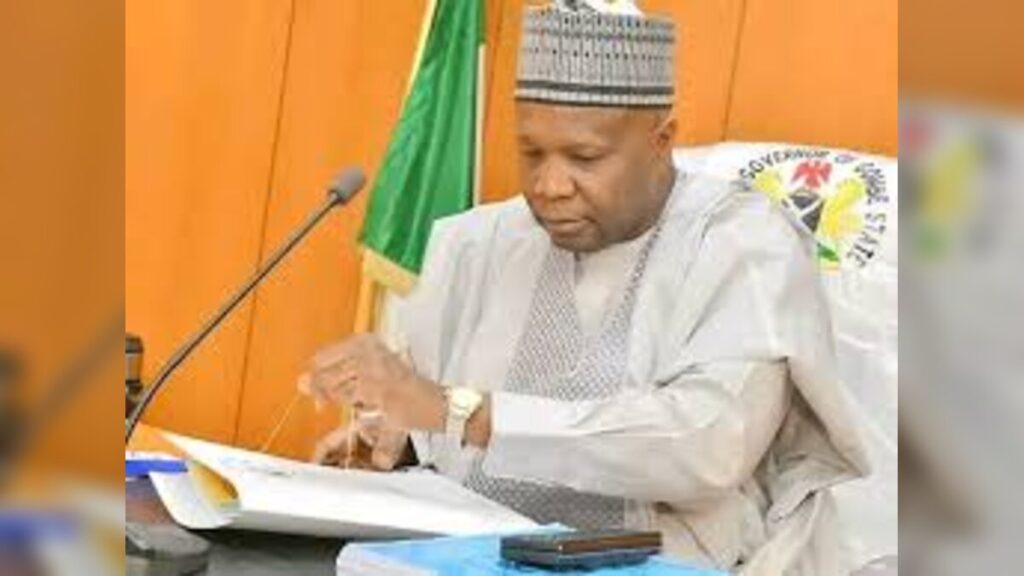
Governance at the local level in Gombe State just took an unexpected turn.
Following the expiration of the tenure of the 11 Local Government chairmen, the state found itself staring at a leadership vacuum—one that couldn’t be ignored for long.
Rather than allow administrative silence to creep in, Governor Muhammadu Yahaya stepped in with a quick fix: appointing interim overseers to take charge.
This move isn’t entirely unusual in Nigerian politics.
Caretaker arrangements have often been used as a stopgap measure when elected local leadership terms run out and fresh elections are yet to be conducted.
Why Caretakers, and Why Now?
The decision, communicated through the Secretary to the State Government, Ibrahim Njodi, was framed as a practical response to a pressing issue—continuity.
Without leadership at the grassroots, essential services like sanitation, primary healthcare coordination, and local security oversight could stall.
Interestingly, the appointments go beyond the traditional Local Government Areas (LGAs).
They also cover the newly created 13 Local Council Development Areas (LCDAs), a structure designed to bring governance even closer to communities.
LCDAs are often introduced to decentralize authority and improve responsiveness, although they sometimes stir debates about funding and constitutional backing.
Familiar Faces, Local Roots
One notable aspect of the appointments is the emphasis on local representation.
Every overseer was selected from within their respective area.
The logic here is simple: people who understand the terrain—both politically and culturally—are better positioned to manage it, even on a temporary basis.




From Akko West to Yamaltu/Deba West, the list of appointees reflects a spread across the state.
Names like Lamaran Ahmed, Sarah Danjuma, and Haruna Shehu now carry the responsibility of holding things together until a more permanent system is restored.
A Temporary Fix with Long-Term Questions
While the appointments officially take effect on April 24, 2026, they raise a familiar question: how long is “interim”? In many Nigerian states, caretaker committees have sometimes overstayed their welcome, leading to concerns about democratic accountability.
Local governments are constitutionally meant to be run by elected officials.
So, while caretaker arrangements solve immediate problems, they also highlight delays or gaps in conducting elections at the grassroots level.
Impact and Consequences
In the short term, the move likely prevents administrative paralysis.
Essential services will continue, and there’s a clear chain of command at the local level.
However, there are broader implications.
Caretaker leadership often lacks the same legitimacy as elected officials, which can affect public trust.
There’s also the risk of reduced transparency, since these appointees are not directly answerable to voters.
On the political side, such appointments can shift local power dynamics.
They may influence alliances, shape future elections, and determine who holds influence in community decision-making.
What’s Next?
All eyes will be on whether the state government moves quickly toward organizing local government elections.
That’s the real endpoint many residents are hoping for.
In the meantime, the performance of these overseers will matter.
If they maintain stability and deliver services effectively, public pressure may ease.
If not, calls for a quicker transition to elected leadership could grow louder.
Summary
Gombe State has opted for continuity over uncertainty by appointing interim overseers across its LGAs and newly formed LCDAs.
The move fills an immediate leadership gap but also reopens conversations about democratic processes at the grassroots level.
Bulleted Takeaways
- Governor Muhammadu Yahaya approved interim overseers after local government chairmen completed their tenure
- The decision affects both LGAs and 13 newly created LCDAs
- Appointees were selected from within their communities for familiarity and effectiveness
- The arrangement begins officially on April 24, 2026
- The move ensures continuity but raises concerns about democratic accountability
- Attention now shifts to when local government elections will be conducted

