
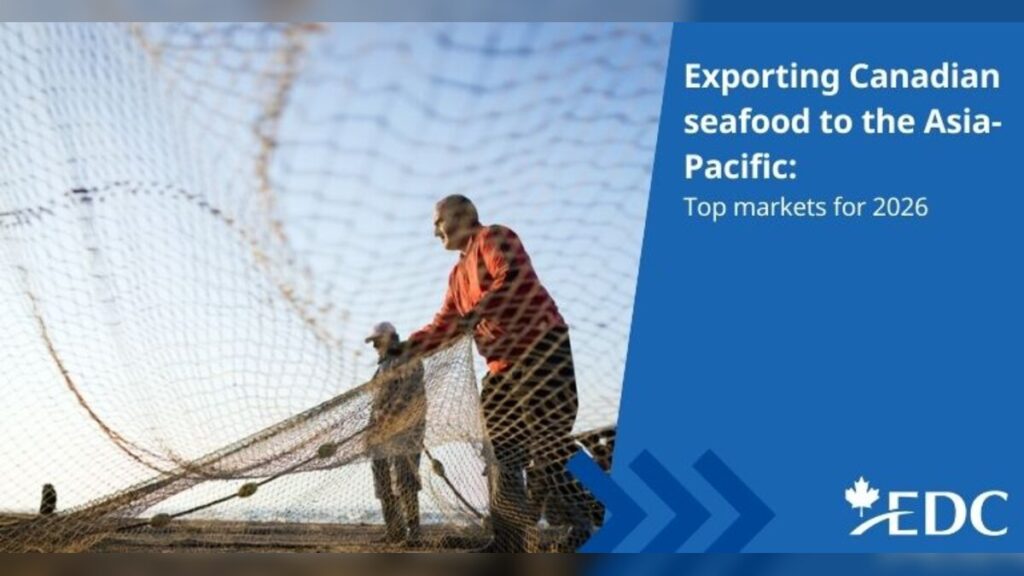
Canada’s fish and seafood industry doesn’t always grab headlines, but it quietly plays a major role on the global stage.
From icy Atlantic waters to the vast Pacific coastline, the country produces a wide variety of high-quality seafood that ends up on plates around the world.
And rather than sitting back, Canada is doubling down—actively working to grow its presence in international markets.
More Than Just Exports—It’s Strategy
This isn’t just about selling more fish. Canada’s approach is calculated.
By promoting its seafood abroad, the country is positioning itself as a trusted supplier known for quality, sustainability, and strict safety standards.
Government agencies and industry players often collaborate on trade missions, international expos, and marketing campaigns designed to spotlight Canadian products.
There’s also a push to diversify. Instead of relying heavily on a few key buyers, Canada is exploring new markets in Asia, Europe, and beyond.
This helps reduce risk and opens the door to fresh opportunities.
Why Canadian Seafood Stands Out
One reason Canada is confident in expanding globally is the reputation of its seafood.
Products like lobster, salmon, crab, and scallops are often associated with premium quality.
The country’s cold, clean waters and well-regulated fishing practices contribute to that image.
Sustainability is another major selling point.
With growing global concern about overfishing and environmental impact, Canada’s emphasis on responsible harvesting gives it an edge in markets that value eco-conscious sourcing.




The Role of Innovation and Technology
Behind the scenes, innovation is reshaping the industry.
From advanced tracking systems that ensure traceability to improved freezing and packaging methods, Canada is investing in ways to maintain freshness and meet international standards.
Aquaculture—essentially fish farming—is also becoming increasingly important.
It allows for a more controlled and scalable way to meet rising global demand without putting excessive pressure on wild fish populations.
Impact and Consequences
Canada’s push to expand its seafood exports has several ripple effects.
Economically, it supports jobs in coastal communities where fishing is often a way of life.
Increased demand can lead to higher incomes and more stable employment in these regions.
However, growth also comes with challenges.
Expanding production must be carefully managed to avoid environmental damage.
Overfishing, habitat disruption, and climate change are real concerns that require ongoing attention.
On the global stage, Canada’s efforts can influence pricing and competition.
As it enters new markets, it may challenge existing suppliers, potentially reshaping trade dynamics.
What’s Next?
Looking ahead, Canada is likely to continue exploring untapped markets while strengthening relationships with existing partners.
Trade agreements and diplomatic efforts will play a key role in opening doors.
There’s also a strong chance we’ll see even more emphasis on sustainability and transparency.
Consumers worldwide are becoming more selective, and Canada appears ready to meet those expectations head-on.
At the same time, adapting to climate change will be critical.
Shifting ocean conditions could affect fish populations, forcing the industry to evolve in how and where it operates.
Summary
Canada is actively working to grow its fish and seafood sector by promoting its products internationally and seeking new markets.
With a focus on quality, sustainability, and innovation, the country aims to strengthen its global position while supporting economic growth at home.
Bulleted Takeaways
- Canada is expanding its presence in the global seafood market through strategic promotion
- The country emphasizes quality, sustainability, and strict safety standards
- Diversifying export markets reduces reliance on a few key buyers
- Innovation and aquaculture are key to meeting rising global demand
- Economic benefits include job creation and support for coastal communities
- Environmental challenges must be managed carefully as the industry grows
- Future efforts will likely focus on sustainability, new trade partnerships, and climate adaptation

