
The ripple effects of the ongoing Iran conflict are not something that will fade quickly.
Even if diplomatic efforts manage to reopen the critical Strait of Hormuz as early as April, the reality for global retail is more complicated.
Supply chains—those intricate networks that quietly keep shelves stocked—don’t just “switch back on.” They take time to reset.
Industry experts suggest that retailers and logistics networks could need anywhere between three to five months just to regain their footing.
That timeline alone pushes the recovery window dangerously close to the holiday shopping season, when demand is at its peak.
Why Supply Chains Recover in Phases
When a major disruption hits—whether it’s war, natural disaster, or political instability—supply chains don’t bounce back in one clean motion. Instead, they move in stages.
The first phase is about absorbing shock. Ships get rerouted, costs spike, and companies scramble to keep goods moving.
This period alone can stretch across several months.
After that comes a slower, more complex phase where systems gradually rebalance and normalize.
We’ve seen this pattern before during events like the Russian invasion of Ukraine and the Red Sea shipping attacks.
In both cases, it took months before markets showed signs of stability—and even longer before full recovery.
The Bottleneck at a Critical Global Chokepoint
At the center of the current disruption is the Strait of Hormuz, one of the world’s most important shipping lanes.
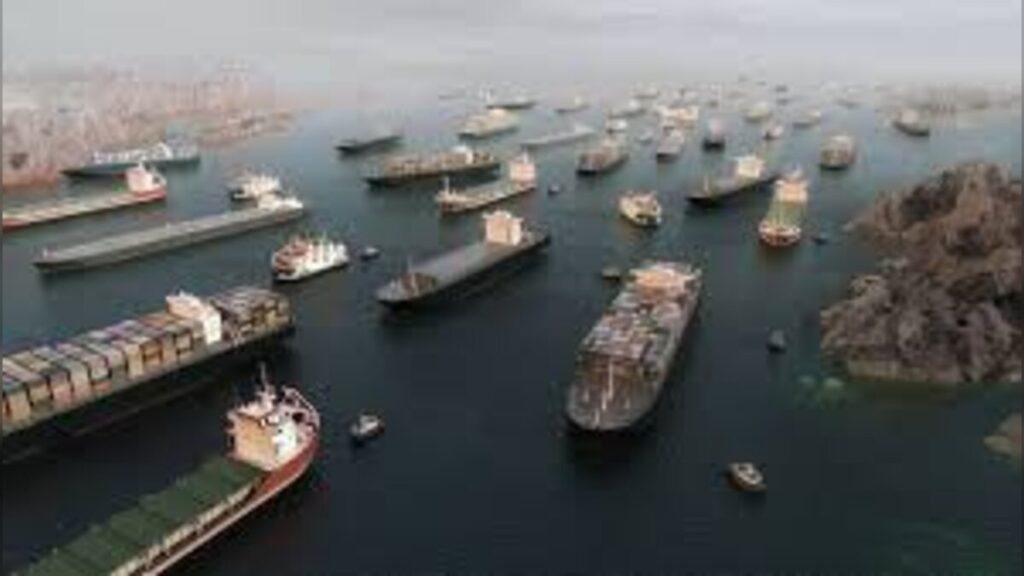
When conflict erupted, hundreds of vessels—including oil tankers—were effectively stranded.
Clearing that backlog is not as simple as reopening the route. First, delayed ships must move through.
Then, suspended shipping schedules need to be re-established. Only after that can normal flow resume.
This creates a cascading delay effect. Even once traffic restarts, it takes weeks—if not months—for global shipping schedules to fully realign.
Rising Costs Are Already Hitting the System
The financial strain is already visible across multiple fronts.
Shipping costs have surged sharply, especially on major trade routes.
Rates for container transport have jumped significantly, with some routes seeing increases of up to 40%.




At the same time, oil prices have surged past $100 per barrel, a steep climb from pre-conflict levels.
Energy costs are deeply tied to transportation, meaning higher fuel prices inevitably translate into more expensive goods.
Organizations like the International Energy Agency have highlighted the scale of disruption, noting the sheer number of vessels caught in the early stages of the conflict.
A Perfect Storm for Holiday Retail
Timing couldn’t be worse for retailers. The months between June and September are typically when businesses place orders for Christmas inventory.
That period now overlaps with ongoing supply chain recovery.
What does that mean in practice? Retailers may face higher procurement and shipping costs just as they are stocking up for the busiest shopping season of the year.
Those added costs often don’t stay behind the scenes—they tend to show up in the final price tags consumers see.
Lessons from Past Supply Chain Shocks
History offers a useful lens here. Following the 2022 Ukraine conflict, oil prices spiked dramatically before easing about three months later.
Similarly, after disruptions in the Red Sea, freight costs only began stabilizing several months after the initial shock.
These patterns reinforce a key point: even when conditions improve, recovery lags behind.
Markets need time to digest shocks, adjust routes, and rebalance supply and demand.
How Retailers Are Trying to Adapt
Retailers and logistics companies aren’t sitting still.
Behind the scenes, there’s intense effort to soften the blow.
Businesses are exploring alternative shipping routes, optimizing cargo loads to maximize efficiency, and cutting operational waste wherever possible.
Scenario planning has become a major focus.
Companies are modeling different outcomes—from prolonged conflict to rapid de-escalation—to stay agile in a highly uncertain environment.
The goal is simple: keep goods moving while minimizing how much of the increased cost reaches consumers.
Impact and Consequences
If disruptions persist, shoppers could feel the pinch during the holiday season.
Higher transportation and energy costs often trickle down into retail prices, meaning everything from electronics to clothing could become more expensive.
There’s also the risk of limited availability.
Delays in shipments can lead to stock shortages, forcing retailers to either raise prices or miss out on sales altogether.
On a broader scale, prolonged disruption can slow economic activity, especially in regions heavily dependent on imports.
What’s Next?
Much depends on how quickly stability returns to the region and whether safe passage through the Strait of Hormuz can be maintained.
Even in a best-case scenario, the backlog of delayed shipments will take time to clear.
If tensions persist or escalate, the recovery timeline could stretch even further, potentially affecting not just Christmas shopping but early next year’s retail cycles as well.
Summary
The Iran conflict has triggered a chain reaction across global supply networks.
While reopening key shipping routes would help, the road to full recovery is slow and layered.
With a 3–5 month adjustment period likely, the timing puts retailers under pressure just as they prepare for peak holiday demand—raising the possibility of higher prices and delayed goods for consumers.
Bulleted Takeaways
- Supply chains typically take 3–5 months to stabilize after major disruptions
- The Strait of Hormuz is central to global oil and shipping flows
- Shipping and fuel costs have surged significantly since the conflict began
- Past events like the Russian invasion of Ukraine show recovery takes time
- Retailers face added pressure as recovery overlaps with Christmas inventory planning
- Consumers may see higher prices and possible product shortages
- Businesses are adapting through rerouting, efficiency improvements, and scenario planning

