
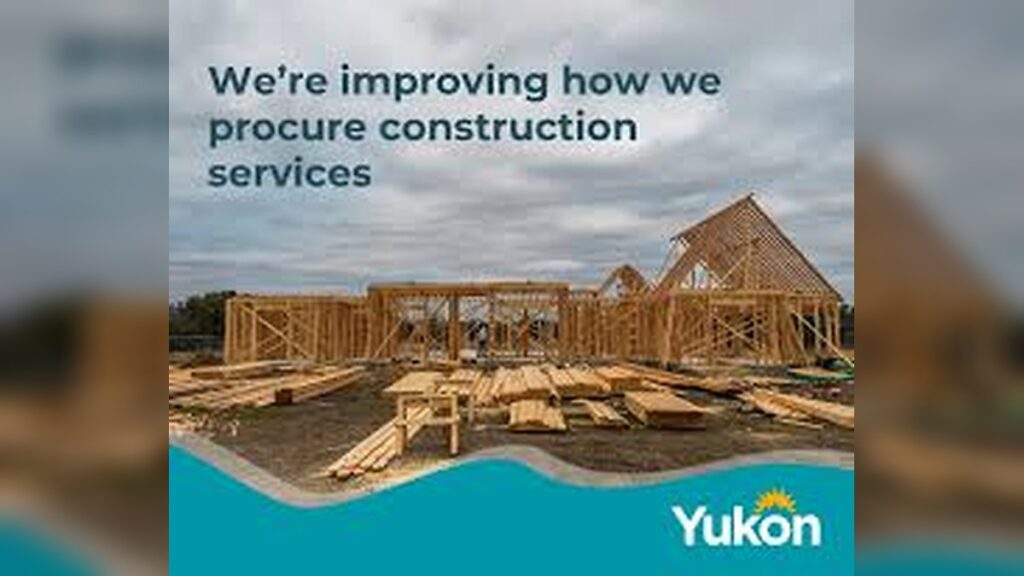
The push to improve living conditions and essential services in northern regions has taken a fresh step forward, as Canada and the Government of Yukon have agreed on new collaborative funding arrangements aimed at boosting housing supply and upgrading critical infrastructure.
The combined value of the two agreements is estimated at around $350 million, reflecting a shared effort to address long-standing gaps in development.
This partnership is part of a wider national strategy focused on improving affordability, strengthening remote communities, and ensuring that infrastructure keeps pace with population needs and climate realities in the North.
What the Agreements Are Really About
At the center of the deal is a simple goal: expand access to safe, affordable housing while upgrading the infrastructure that supports everyday life in Yukon.
The funding is expected to support a mix of initiatives such as:
- New housing construction to ease shortages
- Repairs and modernization of aging infrastructure
- Investments in community services like water systems and energy support
- Projects that improve resilience in remote and Indigenous communities
The agreements bring together the federal government and the territorial administration in a coordinated approach, rather than fragmented project-by-project funding.
Officials from the Government of Canada have consistently emphasized that northern regions face unique construction challenges, including higher material costs, limited building seasons, and logistics constraints due to geography and climate.
Why This Matters for Yukon Communities
Housing shortages have been a persistent issue in the North for years, with demand often outpacing supply.
In many communities, overcrowding and high rental costs remain common challenges.




Beyond housing, infrastructure gaps also affect daily life—ranging from transportation access to energy reliability.
Remote communities in particular often rely on aging systems that are expensive to maintain and upgrade.
This investment signals an attempt to reduce those pressures, especially as population needs grow and climate change increases strain on existing infrastructure.
Experts often point out that northern infrastructure spending tends to have a multiplier effect: improved housing and services can support better health outcomes, stronger education access, and more stable local economies.
Impact and Consequences
If implemented effectively, the agreements could lead to several meaningful outcomes:
- Improved living conditions: Reduced overcrowding and better-quality housing stock
- Economic stimulation: Job creation in construction and related sectors
- Stronger community resilience: More reliable infrastructure in harsh climate conditions
- Lower long-term costs: Preventing expensive emergency repairs and reactive spending
However, challenges remain. Construction timelines in northern regions are often delayed by weather conditions, supply chain delays, and workforce shortages.
There is also ongoing concern about ensuring that Indigenous communities are meaningfully included in planning and execution.
What’s Next?
The next phase will likely focus on turning funding commitments into active projects.
That includes selecting priority communities, finalizing housing developments, and coordinating infrastructure upgrades.
Monitoring and accountability will also play a role, as both federal and territorial governments are expected to track how funds are spent and whether projects meet expected outcomes.
There is also growing attention on sustainability, with newer housing and infrastructure projects expected to incorporate energy efficiency and climate-resilient design standards.
Summary
The joint agreements between Canada and Yukon represent a coordinated effort to tackle housing shortages and infrastructure deficits in the North.
With a combined investment of about $350 million, the focus is on building stronger, more sustainable communities while addressing long-standing development challenges.
Bulleted Takeaways
- Building a strong Canada starts with investing in essential infrastructure that supports everyday life
- The Government of Canada and the Government of Yukon have signed two major funding agreements
- Around $350 million will go toward housing and infrastructure development in Yukon
- The focus includes new housing, infrastructure upgrades, and community service improvements
- Northern regions face unique challenges like high construction costs and short building seasons
- Expected benefits include better housing access, job creation, and stronger community resilience
- Long-term success depends on efficient implementation and inclusion of local and Indigenous communities

