
Over the last decade, adaptive athletes around the world have continued pushing boundaries in sports once considered inaccessible.
From marathon racing to mountain climbing and extreme endurance competitions, disabled athletes are increasingly reshaping public understanding of physical capability.
Nabiev’s ascent adds to a growing movement showing that disability does not automatically eliminate ambition, adventure, or elite athletic performance.
His story is also likely to inspire broader discussions about accessibility in sports and outdoor exploration.
Many supporters online described his climb as more than a sporting achievement, calling it a symbol of resilience, discipline, and mental strength.
Impact and Consequences
Nabiev’s historic Everest ascent is expected to have a lasting impact far beyond mountaineering circles.
First, the achievement shines a global spotlight on adaptive sports and the capabilities of disabled athletes.
Stories like his can encourage organizations and sponsors to invest more heavily in accessible training programs and adaptive outdoor activities.




Second, the climb may inspire individuals facing physical or emotional hardships.
Nabiev’s message of perseverance resonates because it comes from personal experience rather than theory.
His transformation from survivor to world-record climber gives hope to people dealing with trauma, injury, or life-changing setbacks.
The accomplishment also raises awareness about the dangers faced by military personnel and the long-term consequences survivors often endure after catastrophic accidents.
What’s Next?
While Nabiev has already secured a place in mountaineering history, many observers believe this may not be his final major challenge.
The athlete has built a career around testing physical and mental limits, and his growing global recognition could lead to future expeditions, motivational campaigns, documentaries, or partnerships focused on adaptive athletics.
His Everest success will likely continue attracting international media attention in the coming weeks as climbers, sports organizations, and inspirational communities celebrate the milestone.
Summary
Rustam Nabiev’s ascent of Mount Everest represents far more than a sporting accomplishment.
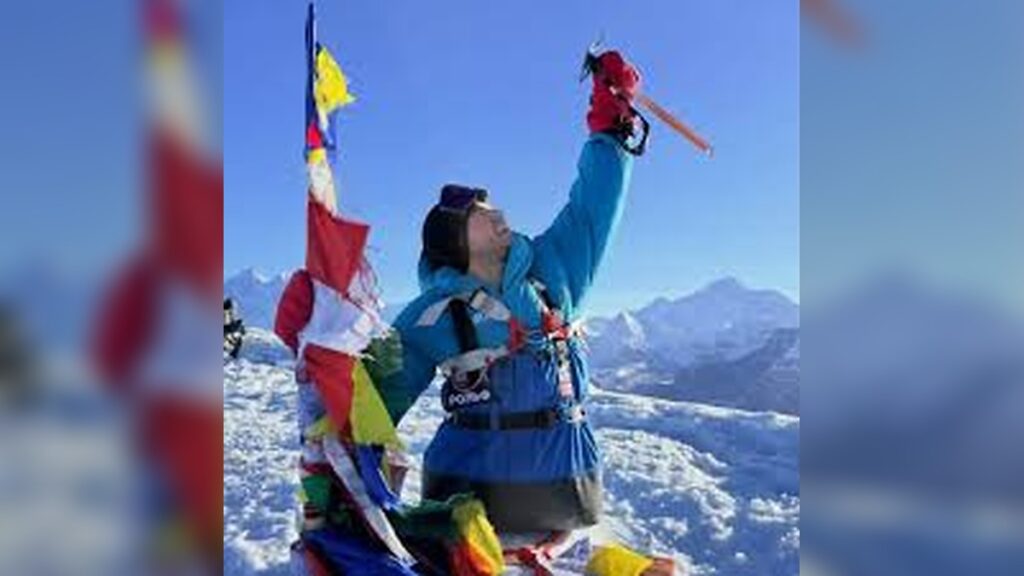
After surviving a deadly military barracks collapse and losing both of his legs, he pushed beyond expectations to complete one of the world’s toughest climbs using only his hands.
The achievement has inspired millions, highlighted the power of resilience, and opened new conversations about adaptive sports and human determination.
His journey from tragedy to triumph now stands as one of the most extraordinary stories in modern mountaineering.
Bulleted Takeaways
- Rustam Nabiev became the first known person to climb Mount Everest using only his hands.
- He reached the summit on May 20 after leaving Everest Base Camp on May 13.
- Nabiev lost both of his legs after a military barracks collapse in Omsk in 2015.
- The accident killed 24 people and left him trapped under rubble for more than seven hours.
- His Everest ascent is being celebrated globally as a milestone in adaptive mountaineering.
- The achievement is expected to inspire wider support for disabled athletes and adaptive sports worldwide.

